

Capsule Manufacturing Process: A Step-by-Step Guide
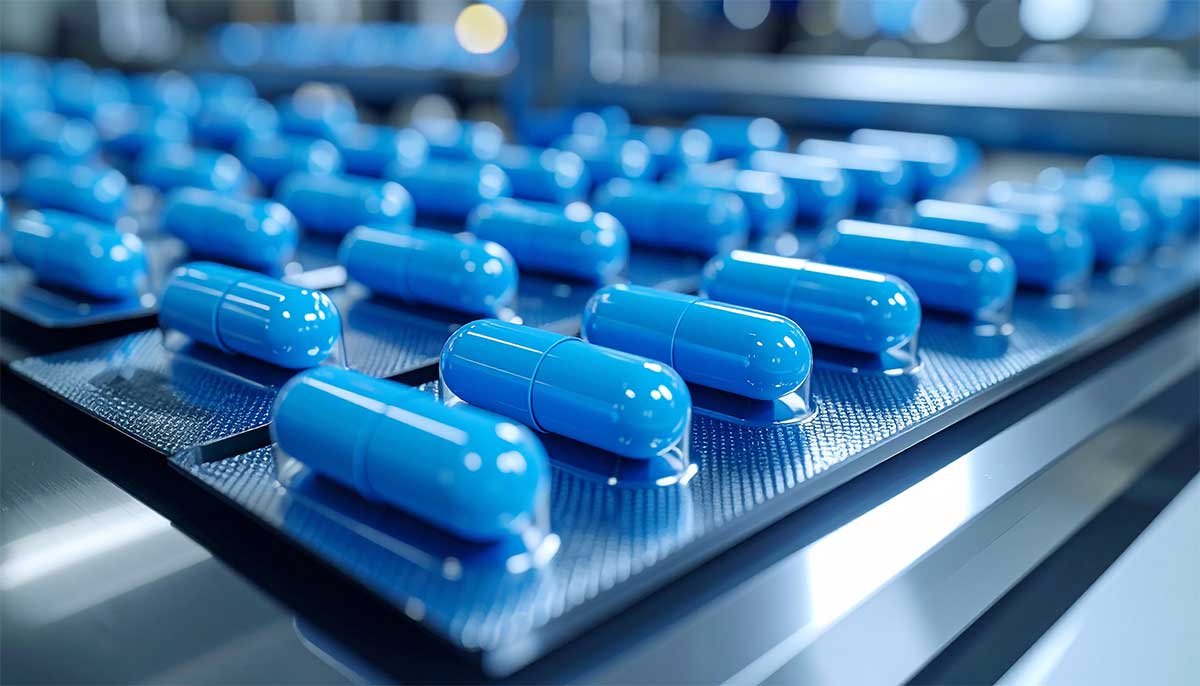
Table of Contents






Recent Posts
Popular posts
Certifications






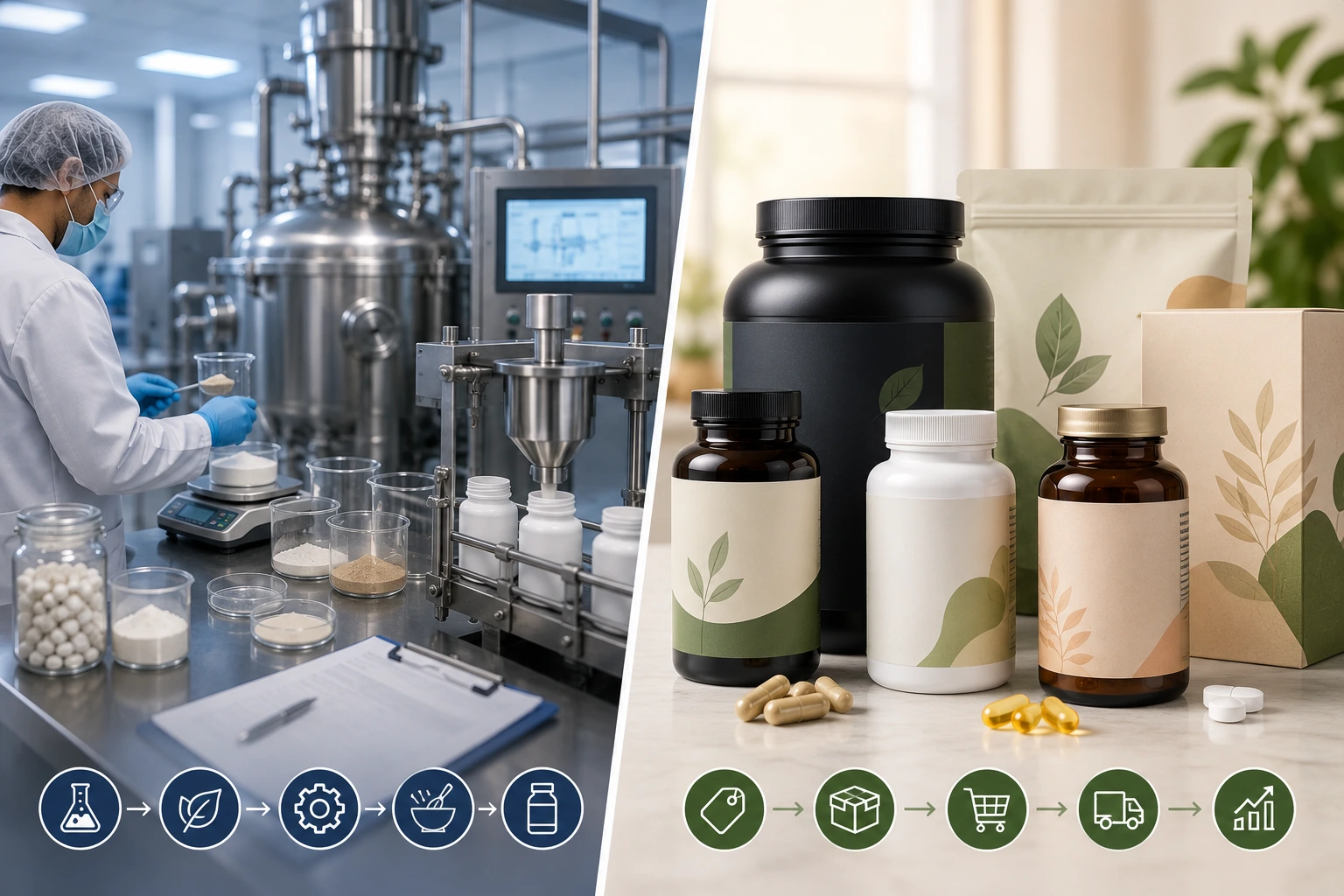
Capsule manufacturing involves several meticulous stages, each crucial in ensuring the production of safe and effective supplements. This guide delves into the steps that transform raw materials into the finished capsules you encounter in stores and pharmacies.
Key Takeaways
- Precision Process: Capsule manufacturing includes careful steps like material selection, blending, filling, sealing, inspection, and packaging.
- Strict Quality Control: Tests for potency, weight, uniformity, dissolution, and microbial safety ensure capsules meet all standards.
- Trusted Manufacturer: F.A.M.E Health Labs delivers reliable, high-quality capsule production with custom formulations and advanced technology.
Understanding The Capsule Manufacturing
Step 1: Materials Selection
The first step in the capsule manufacturing process is the careful selection of appropriate materials. This involves choosing the right active ingredients, excipients, and other necessary compounds. Active ingredients are selected based on their intended use and efficacy, while excipients—such as fillers, binders, and disintegrants—are chosen to ensure the stability and integrity of the capsule. Selecting high-quality raw materials is crucial to manufacturing safe and effective capsules. Manufacturers often source these materials from reputable suppliers to maintain consistency and quality.
Step 2: Blending
Once the materials are selected, they undergo a precise blending process. Blending ensures that the active ingredients and excipients are uniformly distributed within the mixture. This step is critical because uneven distribution can result in capsules containing inconsistent amounts of active ingredients, potentially compromising their efficacy. Advanced blending techniques, such as using high-shear mixers or tumble blenders, are employed to achieve homogeneity. The blending process is meticulously monitored, with frequent samples taken to check for uniformity, guaranteeing that each capsule performs as intended when consumed.
Step 3: Filling the Capsules
During the capsule filling stage, the blended mixture is carefully inserted into empty capsule shells using specialized machines. This step is pivotal as it determines the dosage contained within each capsule. The capsule shells can be made from gelatin or plant-based materials, depending on dietary requirements and preferences. Automated capsule filling machines ensure precision and speed, filling thousands of capsules per hour while maintaining consistency. This process can be adjusted to fill the capsules either partially or completely, depending on the required dosage form. Consistency in filling is paramount to meeting both regulatory standards and consumer expectations.
Step 4: Capsule Sealing and Joining
Once the capsules are filled, the next step is sealing and joining. For two-piece hard gelatin capsules, this involves aligning and securely joining the capsule halves to prevent leakage. Some manufacturing units apply a band of gelatin or other sealing agents to create tamper-evident seals, adding an extra layer of security. For softgel capsules, the sealing generally occurs during the encapsulation process itself, where the capsule is formed and sealed simultaneously. This step is crucial for ensuring the integrity and shelf life of the product. Properly sealed capsules prevent moisture ingress and maintain the stability and effectiveness of the contents.
Step 5: Quality Control and Inspection
Quality control and inspection are essential components of the capsule manufacturing process. Each batch undergoes rigorous testing to ensure the capsules meet specified standards for size, weight, and uniformity. Advanced technologies such as automated visual inspection machines are used to detect any defects or inconsistencies, such as cracks or size variations. Additionally, laboratory tests are conducted to verify the potency of active ingredients and to ensure the absence of contaminants. These quality checks are pivotal in ensuring the capsules are safe, effective, and compliant with regulatory requirements. Through meticulous inspection, manufacturers guarantee that each capsule reaching consumers is of the highest quality.
Step 6: Packaging and Labeling
The final step in the capsule manufacturing process involves packaging and labeling. Capsules are carefully counted and placed into designated packaging types, such as bottles, blister packs, or pouches, depending on consumer preferences and market requirements. The packaging process is automated to maintain efficiency and accuracy while ensuring the capsules are protected from environmental factors such as moisture and light. Once packaged, the products are labeled with essential information, including dosage instructions, ingredient lists, and expiration dates. Accurate labeling is crucial for consumer safety and compliance with legal regulations. This step ensures that the finished product is ready for distribution and meets all branding and regulatory standards.
Manufacture High Quality Capsule Supplement with F.A.M.E Health Labs
F.A.M.E Health Labs stands out as a leading capsule manufacturing company, offering unparalleled expertise in producing high-quality capsule supplements. Their advanced manufacturing capabilities and commitment to innovation ensure that they meet the diverse needs of businesses globally. Utilizing cutting-edge technology and state-of-the-art facilities, F.A.M.E Health Labs excels in custom capsule manufacturing, allowing clients to develop unique formulations tailored to their brand vision.
With a team of experienced professionals, F.A.M.E Health Labs oversees the entire capsule manufacturing process from start to finish. They prioritize quality control at every stage, ensuring that each product meets stringent health and safety standards. The Capsule Manufacturers dedication to quality is reflected in their rigorous testing procedures, guaranteeing that supplements are safe, effective, and of the highest quality. F.A.M.E Health Labs also places a strong emphasis on sustainability, sourcing materials responsibly and utilizing eco-friendly practices in their operations.
Partnering with F.A.M.E Health Labs means access to a broad range of manufacturing capabilities, from developing innovative formulations to packaging and distribution. Their personalized service ensures that clients receive the support they need throughout the manufacturing journey. Whether you are a small business or a large corporation, F.A.M.E Health Labs expertise makes them an ideal capsule supplement manufacturer for those seeking superior quality and reliability in their products.
Final Thoughts
Navigating the capsule manufacturing process reveals its intricacy and the high level of precision required at every stage. From selecting the best materials to the final steps of packaging, each phase plays a vital role in ensuring the production of safe, effective, and consistent capsule supplements. Companies like FAME Health Labs showcase the synergy between cutting-edge technology and skilled expertise, which is necessary to maintain high standards in the industry.
Choosing the right capsule manufacturing company can significantly impact the quality of the final product. It's essential to work with manufacturers who prioritize rigorous quality control and continuously innovate to adapt to market demands. By understanding and respecting the complex steps involved in this process, businesses can better align their products with both consumer expectations and regulatory requirements.
In summary, whether you're diving into custom capsule manufacturing or seeking a trusted capsule supplement manufacturer, understanding these processes empowers you to make informed decisions that ensure optimal product quality and consumer satisfaction.
FAQs
What are the raw materials for capsules?
Capsule raw materials include active ingredients, excipients such as fillers and binders, and the material for the capsule shell, typically gelatin or plant-based alternatives.
How long does it take to manufacture capsules?
The capsule manufacturing process typically takes a few weeks, but the exact duration can vary based on factors like order size, complexity, and quality control requirements.
What type of gelatin is in capsules?
Capsules generally use bovine or porcine gelatin, though some use fish gelatin or plant-based alternatives for vegetarian options.
What are the key quality control tests for capsules?
Key quality control tests for capsules include evaluating size and weight uniformity, dissolution and disintegration, content uniformity, and microbial contamination checks. These ensure safety, efficacy, and compliance with standards.
Why is capsule size important in manufacturing?
Capsule size is crucial as it affects dosage accuracy, ease of swallowing, and consumer preference. Proper sizing ensures consistent potency and user satisfaction, making it a key factor in the manufacturing process.
What Do You Need?

Contract Manufacturing
Full-service supplement manufacturing from stock to custom white label, private label, co-manufacturing, and bulk.






Ingredient Sourcing
Global raw material sourcing, proprietary blend development, MOSA Organic, Halal and Kosher flavor systems.

Testing & CRO
ISO/IEC 17025 accredited testing ingredient and finished product. COAs accepted globally by FDA, Health Canada, and EU.



Enterprise Partnership
Full-platform commercial partnership for high-volume brands. Dedicated team, VP-level account management, real-time portal.
Most Viewed Posts