// Blog post
Collagen Supplements for Women: Benefits, Types, and Selection

Table of Contents






Recent Posts
Popular posts
Certifications






Women drive the global collagen market and make up its largest group of daily users. Industry reports expect the category to keep growing through the next decade, so demand for collagen supplements for women is steady and large.
For supplement brand owners, that is a strong growth opportunity. Women are looking for formulas built around specific health goals.
What is Collagen and Why is It Important for Women?
Collagen is the most abundant protein in the body. It is the primary structural component for skin, bones, tendons, and connective tissues.
While vital for everyone, maintaining collagen levels is a specific biological challenge for women. Natural production begins to decline in the mid-20s. However, this process accelerates during menopause. The drop shows up in visible signs of aging and in changes you can't see.
Lifestyle factors like UV exposure and stress further degrade these stores. Collagen peptides may help stimulate fibroblasts, the cells that produce collagen, which is why women turn to them as natural production slows.
Benefits of Collagen Supplements for Women
The benefits of collagen for women go beyond aesthetics. Skincare remains the primary entry point for many consumers. But the functional health use cases are equally strong.
1. Skin Health and Anti-Aging
Beauty from within is the strongest driver of the collagen market. A 2021 meta-analysis of 19 clinical trials found that hydrolyzed collagen taken for about 90 days improved skin hydration and elasticity compared with placebo. When collagen peptides are ingested, they are delivered to the dermis. Here, they stimulate the production of new collagen, elastin, and hyaluronic acid. This biological process supports a reduction in eye wrinkle volume and improved skin texture.
2. Hair and Nail Strength
Beyond skin, collagen is important for hair and nail integrity. The amino acid proline, abundant in collagen, is a main component of keratin, the protein that constitutes hair. Supplementation may help support hair strength, which matters because breakage and thinning are common concerns after pregnancy and during menopause. Collagen intake is also linked to faster nail growth and less brittle nails.
3. Bone and Joint Support
Bone and joint health become bigger priorities for women after menopause. Some formulas pair collagen peptides with bone-supportive nutrients like Vitamin D3 and K2 to support healthy bones and joint comfort.
4. Gut and Overall Wellness
Amino acids like glycine and glutamine found in collagen may help support the integrity of the gut lining. A hydrolyzed collagen powder is an easy way to add these amino acids to the diet. For brands, this whole-body angle helps a collagen product stand apart.
Types of Collagen
While there are at least 28 known types of collagen, Types I, II, and III are the most relevant for supplement manufacturing. Knowing the difference shapes how you formulate collagen supplements for women.
Type I Collagen
Type I is the most abundant and makes up most of the body's collagen. The collagen provides structure to skin, bones, tendons, and ligaments. Because of its prevalence in the dermis, Type I is the requirement for beauty-focused formulations. If a product’s primary claim is skin rejuvenation, Type I must be the dominant component.
Type II Collagen
Type II collagen is found loosely packed in elastic cartilage, which cushions joints. It is less relevant for skin health. But these protein molecules are vital for joint comfort. Brands targeting active women or the senior demographic often focus on Type II collagen. It is used to support mobility and joint comfort after exercise.
Type III Collagen
Type III is found in the structure of muscles, organs, and arteries. In the context of collagen supplements for women, Type III is frequently included in bovine-sourced multi-collagen blends to support skin elasticity alongside Type I.
Hydrolyzed Collagen (Collagen Peptides)
Regardless of the type, the molecule's "form" dictates its effectiveness. Native collagen molecules are too large for effective absorption. The industry standard is Hydrolyzed Collagen (Collagen Peptides). Through enzymatic hydrolysis, long collagen chains are broken down into shorter amino acid chains. Market reports rank hydrolyzed collagen among the fastest-growing segments of the category.
Marine vs. Bovine Collagen: Which Is Better for Women?
When sourcing raw materials for collagen supplements for women, the choice between marine and bovine collagen depends on brand positioning and target benefits.
Marine Collagen
Marine collagen is primarily Type I. As the name suggests, common sources are fish skin and scales. It is noted for excellent bioavailability due to a smaller peptide particle size. Marine collagen is often the premium choice for "beauty" supplements. Pescatarians and shoppers who avoid beef often choose it. That makes marine collagen a strong fit for premium skincare lines.
Bovine Collagen
Bovine collagen comes from the cow hide and their connective tissues. These are naturally abundant in both Type I and Type III collagens. It usually costs less than marine collagen and is popular in gut health and recovery formulas. That versatility makes grass-fed bovine collagen a staple ingredient for brands formulating keto or paleo-friendly supplements for women.
How to Choose the Right Collagen Supplement?
For brand owners, the objective is to produce the best collagen supplements for women that perform well on the shelf. Hence, brands need to be careful with formulation and sourcing.
Check for Collagen Type and Source
The source must align with the intended benefit. A joint-health product using only marine Type I collagen may be less effective than one utilizing Type II. Conversely, a skin-health product utilizing grass-fed bovine (Type I & III) or wild-caught marine (Type I) is ideal. Sourcing claims such as "Grass-Fed" or "Sustainably Caught" are significant trust signals for consumers.
Look for Added Nutrients
Collagen works on its own, but added nutrients can do more. Vitamin C is a cofactor the body needs to build collagen. Hyaluronic acid adds hydration, while Biotin supports keratin structure. A Supplements Manufacturer like F.A.M.E. Health Labs can build a custom blend that combines them.
Form of Supplement
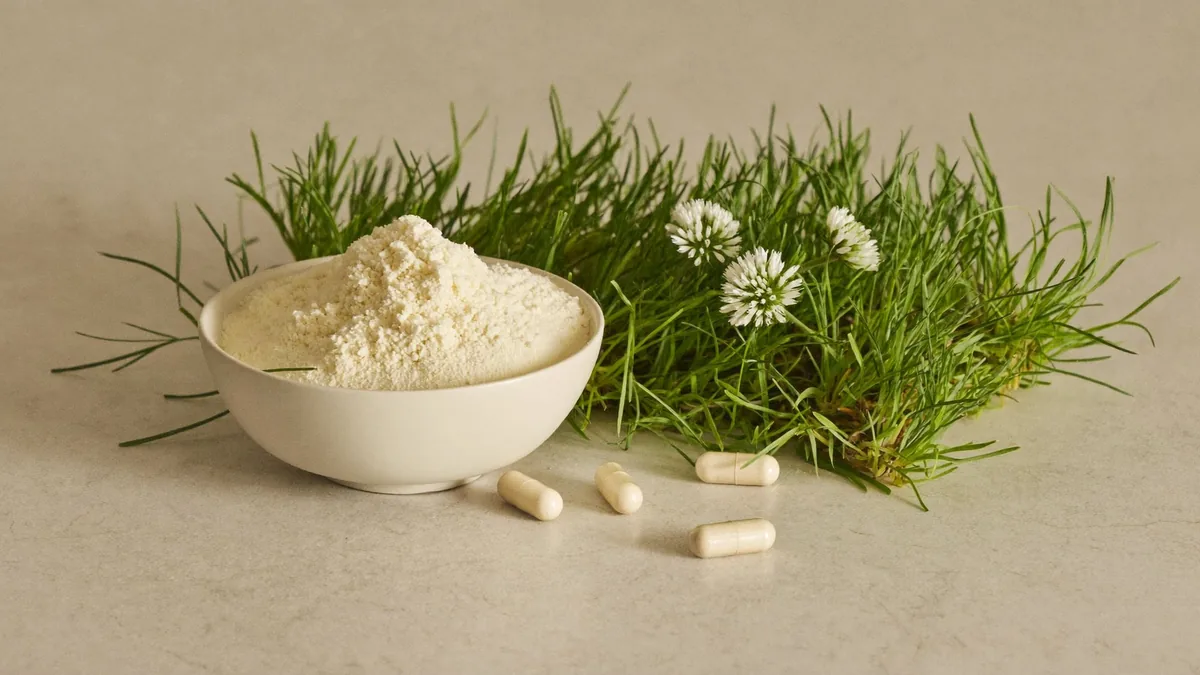
Convenience drives compliance. While powders remain popular, there is a growing market for gummies, liquid shots, and capsules. Younger buyers are also showing more interest in ready-to-drink functional beverages. The best collagen supplements for women are the ones that fit easily into a daily routine.
Clean Label & Certifications
Women are giving labels a closer look now. They search for products free from artificial sweeteners, fillers, and potential allergens. Hence, third-party testing and certifications (such as NSF Certified or Non-GMO Project Verified) are beneficial to pursue. They assure safety and quality that drives repeat purchases.
When and How to Take Collagen Supplements?
Consumer education is part of a brand's responsibility. Consistency is key to seeing results from collagen supplements for women.
Most clinical studies on skin health suggest a dosage of 2.5g to 10g of hydrolyzed collagen per day. For joint health or athletic recovery, dosages may range from 10g to 15g. Providing clear dosage instructions and serving suggestions can enhance the consumer experience and achieve the desired health outcomes.
Manufacture Collagen Supplements for Women with F.A.M.E. Health Labs
The market for collagen supplements for women continues to expand. An aging population and a shift toward everyday wellness drive it, and clinical research on collagen peptides keeps building.
However, success in this niche demands a deep understanding of the target audience. Brands need to be aware of their specific health concerns, preferences, and formats. By focusing on high-quality sourcing and synergistic formulations, labels can deliver the best collagen supplements for women and build a loyal customer base.
We manufacture collagen powders, capsules and tablets at our cGMP facility in Cedartown, Georgia, and custom collagen gummies through certified US partners. Start from one of our 400+ stock formulas from 1,000 units, or we can develop a custom collagen formula for your brand from 2,500 units.
FAQs
Which type of collagen is best for women?
For beauty and anti-aging benefits (skin, hair, and nails), Type I collagen, specifically hydrolyzed collagen peptides, is generally considered the best choice because it is highly prevalent in the skin. For joint comfort and cartilage support, Type II collagen is the better fit.
Is marine collagen better than bovine collagen?
Many brands prefer marine collagen for skin products because it is mostly Type I and has a smaller molecular weight, which may help absorption. However, bovine collagen is an excellent source of Types I and III. It is also lighter on the pocket. It all depends on the consumer's goal. It could be either skincare (Marine) or total body support (Bovine).
Can collagen supplements really improve skin and hair?
Clinical studies support it. Daily hydrolyzed collagen has been shown to improve skin elasticity and hydration. Many women also report thicker hair and faster nail growth after consistent supplementation over 8 to 12 weeks.
Can vegetarians or vegans take collagen supplements?
True collagen is animal-derived. However, "vegan collagen" boosters exist. These are plant-based blends of vitamins and amino acids (like Vitamin C and Proline) designed to support the body’s own collagen production. Hence, a vegan alternative is a strategic way to expand the reach of collagen supplements for women to plant-based consumers.
// Our Services
What Do You Need?
Select the service that matches your need. Each card expands to show what's included, minimum orders, and certifications then routes you directly to the right section of the form below.

F.A.M.E. Health Labs
Contract Manufacturing
Full-service supplement manufacturing from stock to custom white label, private label, co-manufacturing, and bulk.
See Services






F.A.M.E. Ingredients
Ingredient Sourcing
Global raw material sourcing, proprietary blend development, MOSA Organic, Halal and Kosher flavor systems.
See Services


Curí Inc.
Testing & CRO
ISO/IEC 17025 accredited testing ingredient and finished product. COAs accepted globally by FDA, Health Canada, and EU.
See Services

F.A.M.E. Complete
Enterprise Partnership
Full-platform commercial partnership for high-volume brands. Dedicated team, VP-level account management, real-time portal.
See Services