// Blog post
Creatine for Women: Formulated for Strength, Energy & Endurance
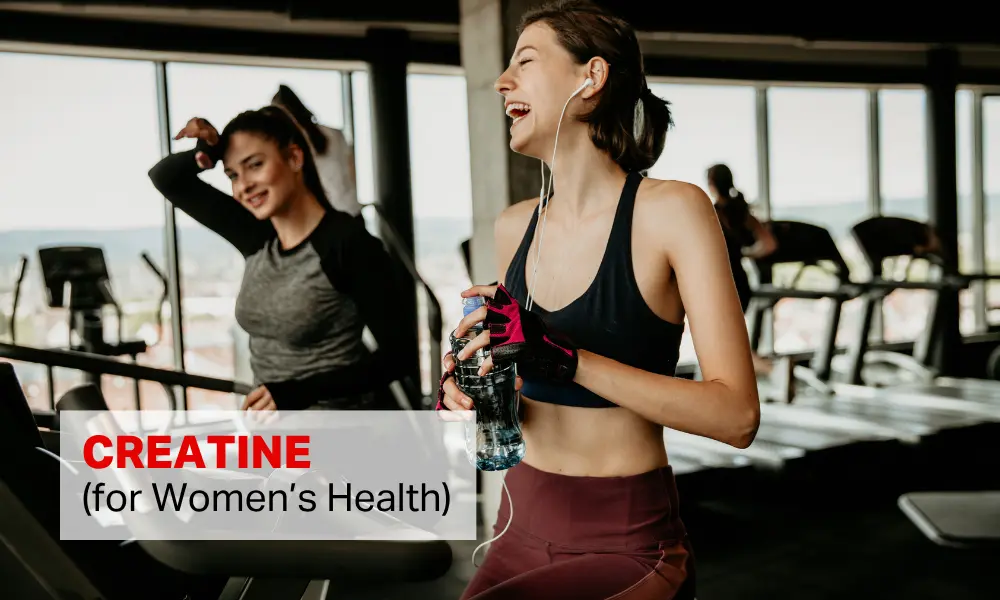
Table of Contents






Recent Posts
Popular posts
Certifications





Creatine is one of the most studied sports supplements, and more women are now using it. It supports strength, power and energy during short, intense exercise such as weightlifting and sprints. This guide covers the science, the benefits for women, the formats that sell, and how brands can position a creatine product for women.
Key Takeaways
- Creatine offers several benefits for women: It supports strength, power and lean muscle, and research into brain function and bone health is growing.
- Convenience and customization enhance supplementation. With powders, capsules, gummies, and tablets, women can choose formats that suit their lifestyle, while private-label and tailored formulations allow brands to cater to specific female fitness needs.
- Branding and quality matter for market success. Clear labeling, transparent sourcing, influencer engagement, and science-backed formulations establish trust and help brands reach the growing number of women buying creatine.
Why Choose Creatine? The Science Explained
Creatine is a naturally occurring compound stored mainly in muscle, where it supplies energy during high-intensity activity. Creatine monohydrate, the most common supplement form, has been studied extensively for strength and exercise performance. The science behind creatine involves its ability to replenish adenosine triphosphate (ATP) levels, the primary energy carrier in cells, allowing for increased work capacity during training. Over time, that extra training capacity supports gains in strength and muscle. Early research also looks at creatine and brain energy. Its safety record is well documented, which is why creatine monohydrate is the usual starting point when brands develop the best creatine for women.
Understanding Today’s Creatine Market
As more women learn about creatine, the market is changing. From improved formats to gender-focused branding, the space is ripe with innovation and opportunity for both consumers and supplement brands.
Market Growth Trends
Creatine sales have grown as more women learn about its benefits. This growth is fueled by the rising trend in fitness and wellness activities, with women seeking products tailored to their unique needs. Demand for science-backed sports supplements aimed at women keeps growing.
Product Innovations
New creatine formats are changing how women take it. Flavored powders, gummies and chewable tablets make it easier to integrate creatine into daily routines. Newer formulations focus on better mixing and taste.
Rising Women’s Interest
Women’s interest in creatine is on the rise as more recognize its benefits for fitness and overall health. Many are drawn to its role in enhancing strength, endurance, and recovery without significant bulk gains. This shift marks a growing acceptance and demand for gender-specific formulations.
Explore the Key Benefits of Creatine for Women
Creatine offers more than just physical gains. It supports lean muscle and exercise performance, and researchers are studying its role in brain and bone health.
Boosts Strength Gains
Creatine increases phosphocreatine stores in muscle, which helps regenerate ATP during intense sets. Combined with resistance training, that supports greater lifting capacity and strength over time.
Supports Muscle Recovery
Creatine is a common ingredient in muscle recovery supplements for women. It helps replenish muscle energy stores between sets and sessions, which supports recovery and consistent training.
Aids Lean Muscle
Together with resistance training, creatine supports gains in lean muscle. It also draws water into muscle cells. For women who want strength and tone rather than bulk, it fits well with a regular training plan.
Supports Brain Health
The brain also uses creatine for energy. Early studies suggest creatine may support cognitive function, especially under stress or sleep loss, and researchers are studying its role in mood. Brands should keep label claims to supporting normal cognitive function.
Enhances Hydration
Creatine draws water into muscle cells. Research has not found that it causes dehydration or cramping, a common worry among new users. Consumers should still drink plenty of fluids, especially during hard workouts.
Supports Bone Health
Some studies in postmenopausal women found that creatine combined with resistance training supported bone health. The research is early, but it is one reason creatine is showing up in formulas for women in midlife.
Finding the Best Creatine for Women
Powders, capsules, gummies and tablets each suit a different kind of consumer. Each option offers unique advantages in terms of convenience, taste, and dosing precision.
Easy-Mix Powders
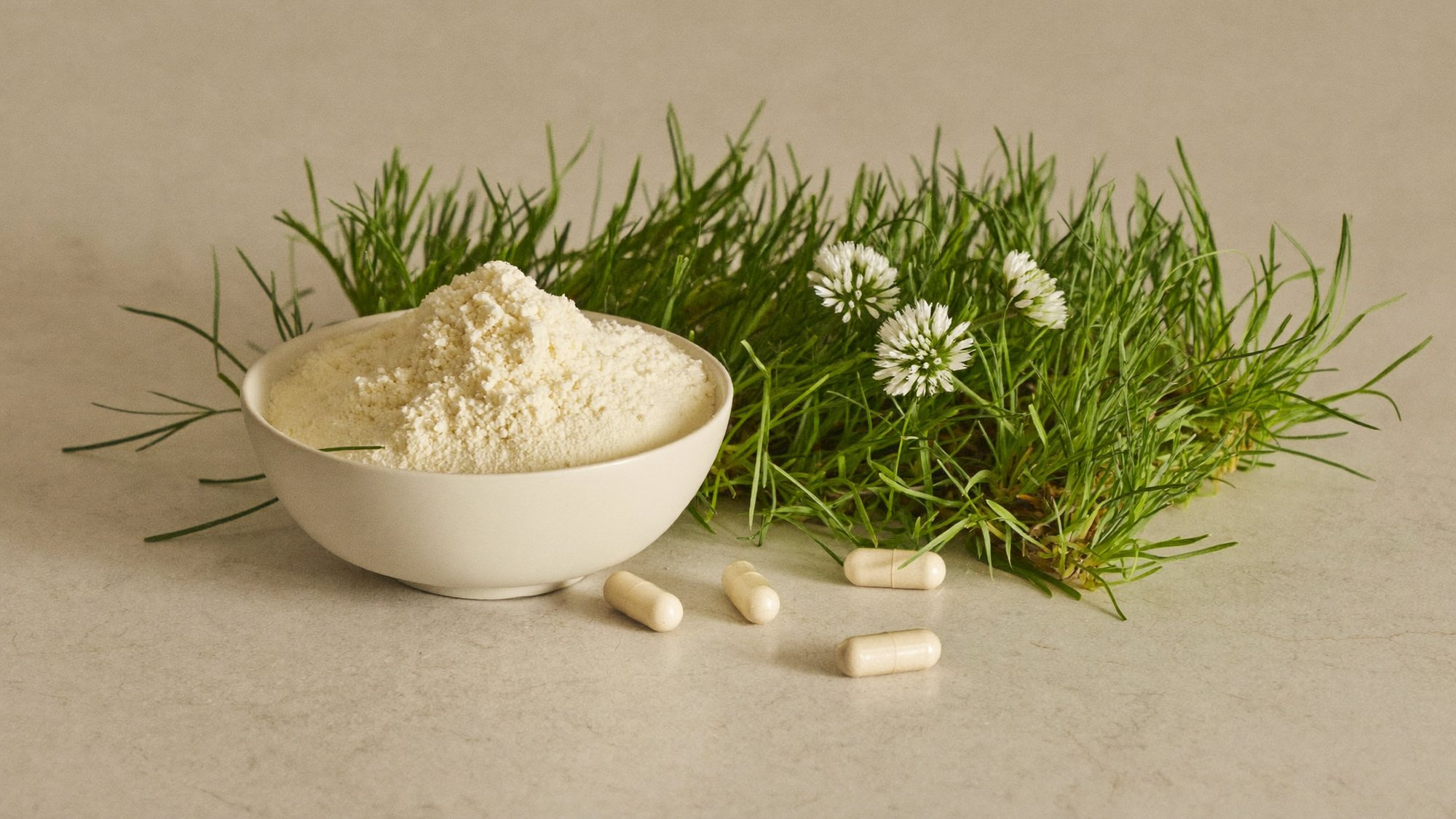
Easy-mix powders are the most common creatine format. These powders dissolve quickly in water or shakes, providing an efficient delivery system. They suit consumers who like to add creatine to a daily shake.
Capsule Options
Capsules give a precise dose with no mixing. They eliminate the need for mixing and can be easily incorporated into any supplement regimen. Several capsules are usually needed to reach a 3 to 5 gram dose, which is worth planning for in the serving size.
Tasty Creatine Gummies
Creatine gummies are a flavorful option. These gummies are an enjoyable alternative to traditional forms, appealing to those who prefer chewable options. They provide a precise dosage and are easy to take, catering to varied lifestyle preferences.
Creatine Tablets
Creatine tablets are a simple, no-mix option. With precise dosing, they ensure consistency in intake, and their compact form makes them travel-friendly. They suit consumers who want convenience.
Women’s Creatine Branding: Embracing a Rapidly Expanding Opportunity
Creatine for women is more than a trend. It’s a growing market segment. Brands that prioritize female-specific benefits, clear labeling, and strong social outreach can tap into this expanding audience with authenticity and success.
Branding Creatine for Women
Branding creatine for women focuses on highlighting benefits tailored to female fitness goals, such as strength, endurance, and lean muscle preservation. By using relatable marketing and targeting specific needs, brands can effectively capture the attention of health-conscious women seeking performance-enhancing solutions.
Clear Labeling & Ingredient Sourcing
Clear labels and transparent sourcing build trust in women's creatine products. Providing detailed information about ingredients and their origins ensures consumers make informed decisions. This transparency supports brand credibility and appeals to those prioritizing quality and safety.
Social Media & Influencer Outreach
Social media and influencer outreach are powerful tools for promoting creatine to women. Engaging fitness influencers can spread awareness and demonstrate real-life benefits. Influencer content must follow FTC endorsement rules, including clear disclosure and no claims the product can't support.
Tailored Formulations & Private Label
Tailored formulations and private label options allow brands to customize creatine products to meet specific needs of female consumers. By creating unique blends and branding opportunities, companies can differentiate themselves, attract niche markets, and provide personalized solutions that resonate with women's fitness goals.
Why F.A.M.E. Health Labs Is Your Ideal Partner
F.A.M.E. Health Labs is an FDA-registered dietary supplement manufacturer in Cedartown, Georgia, with cGMP, NSF and SQF certifications. We manufacture powders, capsules, tablets and gummies in-house, so we can develop and manufacture a creatine product for women in the format your customers want. We offer custom formulations from 2,500 units and 450+ stock formulas from 500 units, plus label and packaging design support. Testing and stability studies are run by CURI, our ISO 17025 sister lab on the same campus.
Final Thoughts
Creatine supports women's strength, recovery and training performance. As more women discover these advantages, the demand for effective and convenient creatine products, especially creatine powder, continues to grow. For brands, an experienced supplement manufacturer can help you choose the right format, from easy-mix powders to custom formulas.
FAQs
Can you use creatine on a plant-based diet?
Yes, you can use creatine on a plant-based diet. Creatine supplements are typically vegan-friendly, as they are synthesized in labs, making them suitable for those avoiding animal products. Plant-based diets are low in creatine, so these consumers may see a larger rise in muscle creatine from supplementing.
How quickly can you see results with creatine?
You can start seeing results with creatine within a few weeks. Most users notice increased energy and improved workout performance after the first week, with more noticeable strength and muscle gains typically appearing around the four-week mark.
What’s the best way to take creatine?
According to the International Society of Sports Nutrition, the best way to take creatine is to maintain a consistent daily intake, typically 3 to 5 grams per day. It's most effective when taken post-workout or with meals, ensuring it's part of your regular routine for the best results.
Is creatine safe for long-term use?
Yes, creatine is safe for long-term use when taken at recommended dosages. Research reviewed by the International Society of Sports Nutrition found it safe and well tolerated in healthy people. However, it's advisable to consult with a healthcare professional to ensure personal suitability.
Can women take creatine without getting bulky?
Yes, women can take creatine without fear of getting bulky. Creatine supports lean muscle development and improved strength, but large muscle gains take heavy training and a calorie surplus. Some water weight is common in the first weeks.
Can F.A.M.E. Health Labs manufacture a creatine product for my brand?
Yes. We can develop and manufacture a creatine product for your brand as a powder, capsule, tablet or gummy. Custom formulas start at 2,500 units, and testing is done by CURI, our ISO 17025 sister lab on the same campus.
// Our Services
What Do You Need?
Select the service that matches your need. Each card expands to show what's included, minimum orders, and certifications then routes you directly to the right section of the form below.

F.A.M.E. Health Labs
Contract Manufacturing
Full-service supplement manufacturing from stock to custom white label, private label, co-manufacturing, and bulk.
See Services






F.A.M.E. Ingredients
Ingredient Sourcing
Global raw material sourcing, proprietary blend development, MOSA Organic, Halal and Kosher flavor systems.
See Services


Curí Inc.
Testing & CRO
ISO/IEC 17025 accredited testing ingredient and finished product. COAs accepted globally by FDA, Health Canada, and EU.
See Services



F.A.M.E. Complete
Enterprise Partnership
Full-platform commercial partnership for high-volume brands. Dedicated team, VP-level account management, real-time portal.
See Services