// Blog post
Myths About Softgel Supplements: What Every Brand and Consumer Should Know
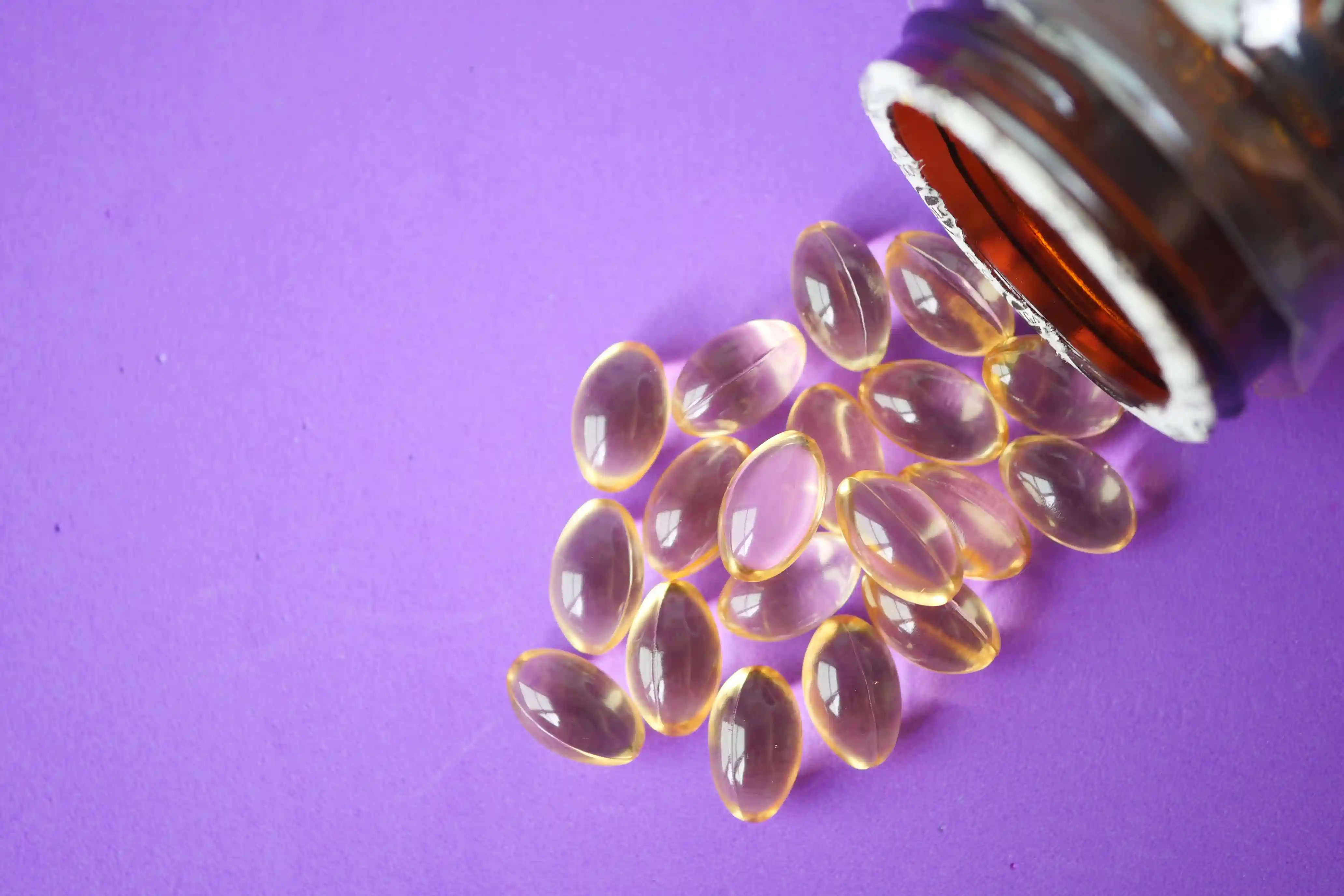
Table of Contents






Recent Posts
Popular posts
Certifications





Customers often believe myths surrounding softgel supplements, affecting both their purchasing decisions and brand reputations. It's vital to dispel these misconceptions to ensure informed choices. Brands and consumers tend to shy away from softgels due to perceived downsides, despite their advantages.
Key Takeaways
- Softgel Myths Often Overlook Their Real Advantages. Despite misconceptions about cost, climate sensitivity, and manufacturing complexity, softgels remain one of the most effective delivery systems due to superior absorption, enhanced stability, and consumer-friendly design.
- Softgels Offer Premium Benefits That Add Brand Value. Their airtight seal, flexible formulations, smooth swallowing experience, and strong consumer trust make softgels a preferred format for U.S. supplement leaders aiming for high-quality, market-ready products.
- Choose an Experienced Manufacturing Partner. Because softgel production requires specialized equipment, climate control, and technical expertise, partnering with an experienced manufacturer helps ensure consistent quality and compliance. F.A.M.E. Health Labs produces softgels through a specialist partner.
Understanding Softgel Capsules and Their Role in Modern Formulations
Softgel capsules are a popular choice in the supplement industry due to their unique properties and versatility. Made from a gelatin-based shell, these capsules are often filled with oils or other liquid ingredients, providing a smooth texture that makes them easier to swallow. Their design aids in masking unpleasant tastes or odors, enhancing user experience. In addition to their appeal, softgels protect sensitive ingredients from light and air exposure, maintaining the integrity and potency of the formulation.
Softgels are instrumental in creating formulations that provide health benefits without compromising on ingredient quality. They allow for precise dosing and can hold combinations of ingredients that may interact unfavorably in other formats. This capability makes them an excellent choice for advanced nutraceutical formulations.
Clearing Misconceptions About Softgels in the Industry
Myth: Softgels Are the Best Format for Every Formula
Fact: softgels suit oils and fat-soluble ingredients, but they are not the right choice for every formula. Many water-soluble ingredients can't go into a softgel without special formulation adjustments. In cases where rapid dissolution in the stomach is required, tablets or capsules might be more appropriate. Additionally, some consumers prefer the tactile experience of chewing gummies rather than swallowing capsules.
The decision to use softgels depends largely on the desired outcome and the nature of the active ingredients. Understanding these factors can guide both brands and consumers in selecting the most suitable supplement format for their needs.
Myth: Any Supplement Manufacturer Can Produce Softgels
Fact: softgel manufacturing is a specialist process that most supplement plants are not set up for. Unlike simple tablet pressing or powder encapsulation, softgel production requires an advanced understanding of both gelatin handling and liquid fill formulations. The conditions must be carefully controlled so the gelatin shell and liquid fill bond without leaking or degrading.
This complexity means that setting up a production line for softgels requires significant investment in specialized equipment and skilled personnel. Manufacturers must also adhere to stringent quality control standards to ensure consistency and safety across batches. As a result, the manufacturing intricacies often translate to a need for established, specialized softgel facilities. That is why we produce softgels through a specialist partner rather than in-house.
Myth: Softgels Can't Handle Hot or Humid Climates
Fact: softgels are sensitive to heat and humidity, but the right packaging and storage keep them stable. Without that care, climate can cause problems in storage and distribution. High humidity or extreme temperatures can affect the stability of the gelatin casing, potentially causing it to become sticky or brittle. This sensitivity necessitates careful control of environmental conditions to maintain product integrity throughout the supply chain.
Some softgels require specific packaging solutions to mitigate the effects of environmental factors. For instance, blister packs or amber bottles can help shield the capsules from light and moisture. These protective measures matter most for brands that ship products to different climates.
Myth: Softgels Are Too Expensive to Be Worth It
Fact: softgels usually cost more per unit than tablets or powders, but for the right product the premium format can justify a higher shelf price. The complex manufacturing process, combined with the need for specialized equipment and materials, typically results in higher costs. This can affect both the manufacturer's budget and the price point for consumers.
Additionally, the requirements for climate-controlled storage and sophisticated packaging to protect softgels from environmental factors can further increase expenses. These added costs can be a deterrent for brands operating with limited margins, making softgels a less financially viable option in certain market segments. However, for those willing to invest, softgels offer a premium format that can command a higher market price, potentially offsetting initial cost concerns.
Why U.S. Supplement Leaders Prefer Softgels
Enhanced Absorption
One of the prominent advantages of softgel capsules is their enhanced absorption capabilities. The liquid or oil-based filling allows nutrients to dissolve faster in the digestive system compared to solid forms like tablets or powders. This rapid breakdown and assimilation mean that the body can absorb nutrients more efficiently, which can support efficient absorption of oil-based nutrients.
• Enhanced Shelf Life: These capsules are protected from UV rays and oxidation, leading to prolonged potency and effectiveness.
• Ease of Swallowing: Their smooth and flexible composition makes them easier to swallow, even for those who struggle with traditional pills.
• Minimal Taste: Softgels typically have a neutral taste since the ingredients inside remain largely tasteless, offering a pleasant experience.
• Tamper-Resistance: The sealed, one-piece shell is hard to tamper with without leaving visible damage.
• Higher Bioavailability: Their structure allows for improved absorption rates for many oil-based nutrients.
Trusted Quality
Softgel capsules are often perceived as a premium supplement form, reflecting a commitment to quality and efficacy. The airtight seal provided by the gelatin casing protects the filled contents from oxidation and contamination, ensuring that the active ingredients remain potent and safe for consumption over time. This feature builds consumer trust, as they can be confident in the purity and effectiveness of the product they are taking.
Furthermore, established softgel manufacturers adhere to stringent quality control standards throughout the production process. From sourcing high-grade ingredients to monitoring production environments, quality is maintained at every step. This rigorous attention to detail results in products that consistently meet consumer expectations and regulatory requirements.
Flexible Formulations
Softgel capsules offer unparalleled flexibility in formulation, accommodating a wide range of ingredients and combinations that might be challenging in other supplement formats. They can encapsulate oils, semi-solids, and even certain liquids, making them a versatile option for delivering complex or sensitive ingredients. This attribute enables manufacturers to innovate with unique blends and concoctions that cater to diverse nutritional needs.
The adaptability of softgel capsules also extends to custom sizing and shapes, allowing brands to create distinctive products that stand out on the shelf. This flexibility in design and formulation capability can help brands differentiate their products in a crowded market. Whether focusing on single-ingredient superfoods or complex multivitamins, softgels can be tailored to deliver targeted benefits efficiently.
F.A.M.E. Health Labs: Your Partner for Softgel Supplements
At F.A.M.E. Health Labs, we produce softgels through a specialist softgel partner and manage the project for you, from formulation development to finished, packaged product. Our team works with brands that want high-quality softgel supplements, and we tailor each formula to the brand's needs. If you are developing a new product line or improving an existing one, we can help, and we can pair a softgel with the capsules, tablets, powders and liquids we manufacture in-house on our campus in Cedartown, Georgia.
Final Thoughts
Softgel capsules are now a widely used packaging solution for various supplements. Softgels are distinguished by their innovative design, which protects the active ingredients until they are swallowed. Some of the pronounced advantages of softgels include good absorption of oil-based nutrients in the digestive tract. Furthermore, their smooth coating aids in easy swallowing, and they offer precise dosing of liquid ingredients. This form also minimizes taste or odor issues, presenting a palatable solution for those sensitive to unpleasant flavors.
For those venturing into the softgel market, partnering with a knowledgeable team like F.A.M.E. Health Labs, which works with a specialist Custom Softgel Manufacturer, can make all the difference. We make sure each product is crafted to deliver optimal results while maintaining high standards of safety and effectiveness. Softgels suit both new formulas and updates to existing products.
By debunking myths and understanding the true potential of softgel supplements, brands can make confident choices in delivering high-quality, effective health solutions to consumers. Softgels show how far supplement formulation has advanced, offering a promising way forward in health and wellness innovation.
FAQs
Are softgels easier to swallow than tablets?
Yes, softgels are generally easier to swallow due to their smooth, gel-like texture and slip-resistant coating, providing a more comfortable experience.
Can I get plant based or vegan softgels?
Yes, plant-based or vegan softgels are available, typically made from alternative materials like tapioca or carrageenan instead of gelatin.
How do softgels improve formulation stability?
Softgels improve formulation stability by providing an airtight seal that protects sensitive ingredients from exposure to light, oxygen, and moisture.
What factors influence softgel manufacturing costs?
Softgel manufacturing costs are influenced by factors such as ingredient quality, specialized equipment, production complexity, and requirements for climate-controlled storage.
Can softgels withstand year round U.S. climate conditions?
Yes, with proper storage and packaging, softgels can withstand varying U.S. climate conditions, maintaining their integrity and effectiveness year-round.
How can softgels improve my brand’s market image?
Softgels can enhance your brand's market image by showcasing a commitment to quality, offering superior absorption, and providing innovative and versatile product formulations.
// Our Services
What Do You Need?
Select the service that matches your need. Each card expands to show what's included, minimum orders, and certifications then routes you directly to the right section of the form below.

F.A.M.E. Health Labs
Contract Manufacturing
Full-service supplement manufacturing from stock to custom white label, private label, co-manufacturing, and bulk.
See Services





F.A.M.E. Ingredients
Ingredient Sourcing
Global raw material sourcing, proprietary blend development, MOSA Organic, Halal and Kosher flavor systems.
See Services


Curí Inc.
Testing & CRO
ISO/IEC 17025 accredited testing ingredient and finished product. COAs accepted globally by FDA, Health Canada, and EU.
See Services

F.A.M.E. Complete
Enterprise Partnership
Full-platform commercial partnership for high-volume brands. Dedicated team, VP-level account management, real-time portal.
See Services