Beet Root Powder Supplement Formulation: What Brands Need to Know Before They Launch
.png)
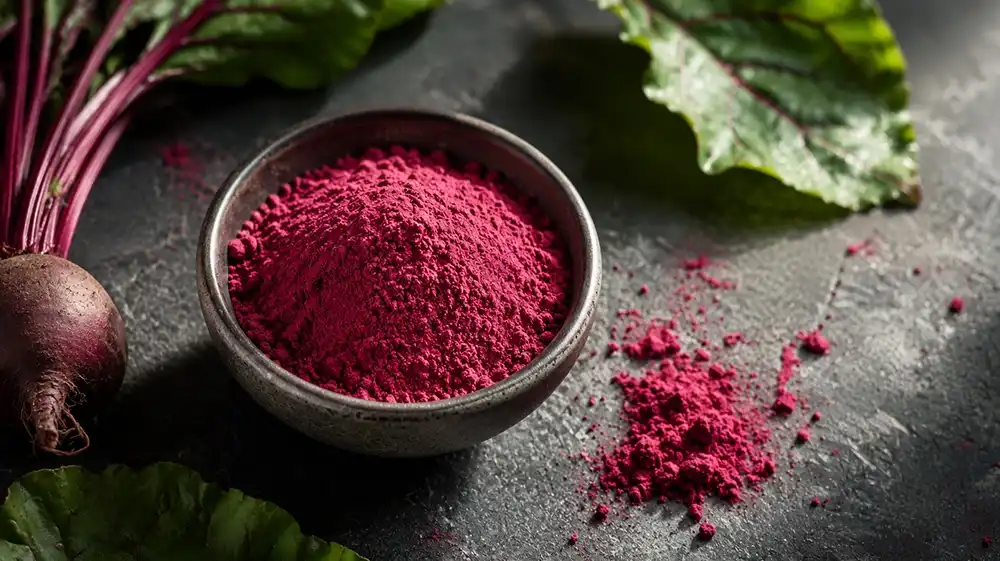
Table of Contents


Recent Posts
Popular posts
Certifications


Beet root powder has become a fixture in supplement formulation discussions in 2026, and the interest is rooted in substance rather than trend. It is a functional ingredient with a defensible science story, multi-format utility, and a clean-label profile that regulatory-conscious brands actively want. At F.A.M.E. Health Labs, a cGMP-certified custom manufacturer based in Cedartown, Georgia, it comes up consistently across briefs from US and UK brand partners. For brand owners evaluating a beet root powder supplement, getting the formulation fundamentals right from the start makes the difference between a product that scales and one that stalls. Allow us to deep dive and take a closer look at everything that matters.
Why Formulators Are Obsessed With Beet Root Powder
Three properties make beetroot powder supplement formulas a consistent priority for formulators building across categories. Each one serves a different buyer segment. That multi-segment reach is commercially significant.
1. Natural Nitrates for Performance Supplement Formulation
Beetroot is one of the most concentrated plant-based sources of inorganic nitrates. Inside the body, those nitrates convert to nitric oxide through a well-documented pathway. Nitric oxide widens blood vessels and supports oxygen delivery to muscle tissue during sustained physical effort. Any beet root powder supplement targeting the performance or pre-workout category carries a functional story that is grounded in actual physiology, not marketing language.
Brands building stimulant-free pre-workout formulas find this particularly useful. Consumer appetite for plant-derived performance ingredients with clean labels has shifted the category meaningfully over the past few years.
2. Antioxidants and Betalains for Functional Formulation
Betalains are the nitrogen-containing pigments responsible for beetroot's color. They appear in very few food sources. Research examining their antioxidant activity and relationship to oxidative stress markers gives brands building recovery, immunity, or longevity formulas something specific to anchor their claims to. A beet root powder supplement positioned in the wellness category benefits from that ingredient-level specificity rather than a generic antioxidant narrative.
3. Natural Color Benefits in Supplement Formats
Synthetic dyes face increasing scrutiny from both regulators and consumers across the US and UK. A beet root powder supplement brings natural red-to-purple pigmentation into the formula without requiring a separate coloring agent on the ingredient deck. For clean-label brands, that simplification has real documentation and positioning value.
5 Formats Where Beet Root Powder Sells Fast
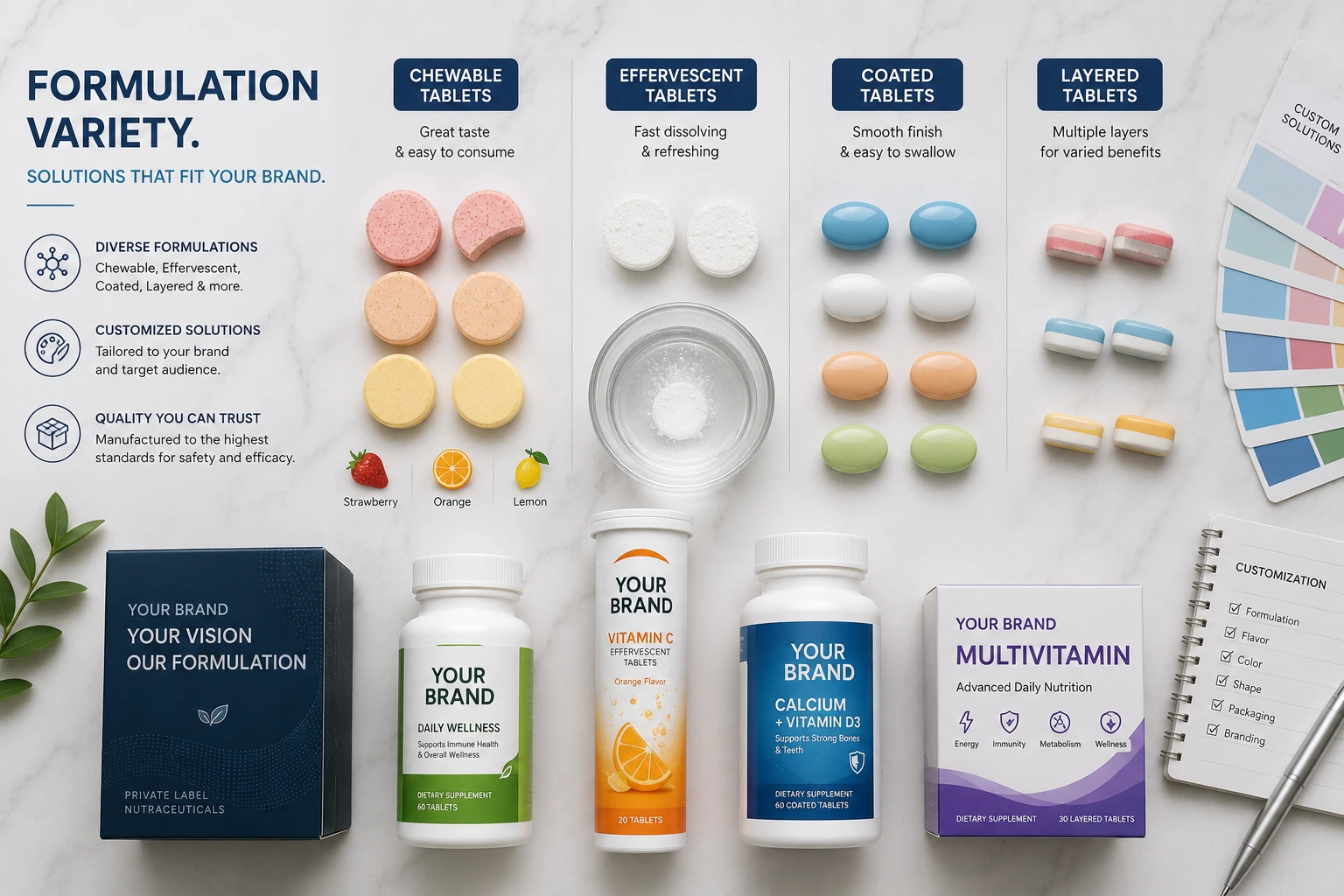
Format flexibility is one of the more underappreciated commercial qualities of a beet root powder supplement. These five delivery formats account for the majority of active development:
1. Pre-Workout Powders and Drink Mixes
Powdered pre-workout is the highest-volume application. A beet root powder supplement blends well with electrolytes, amino acids, and adaptogens. Formulators need to account for solubility and flavor masking at effective nitrate concentrations, but the ingredient handles most standard processing conditions without major reformulation.
2. Capsules and Tablets
Capsule and tablet formats reposition a beet root powder supplement from performance to daily maintenance. Dosing is precise, shelf life is predictable, and the format moves through pharmacy, subscription, and direct-to-consumer channels without complication.
3. Gummies and Functional Chews
Gummies bring a beet root powder supplement into the mainstream wellness market. The organic pigmentation from the vegetable colors the gummy naturally. It reduces reliance on added coloring agents while giving the finished product visual appeal that communicates naturalness at the point of sale.
4. Hydration Tablets and Effervescent Formats
Electrolyte and hydration formulas represent one of the more active areas of product development. A beet root powder supplement integrates well into effervescent formats, contributing a functional nitrate profile alongside natural color that shows clearly when dissolved.
5. Vegan Blends with Minerals, Vitamins and Superfoods
Greens blends, superfood stacks, and daily multis frequently anchor around a beet root powder supplement as a base ingredient. Non-GMO, vegan, and whole-food claims sit cleanly alongside it without complicating the formulation brief or the regulatory documentation.
Organic vs Conventional: Which One Wins for Brands?
The right choice depends on channel strategy, margin targets, and the compliance expectations of the target market. Both support a credible beet root powder supplement product.
1. Conventional Beet Root Powder for Cost-Sensitive Formulations
Conventional beet root powder supplement formulations deliver a strong nutritional profile at a cost per kilogram that supports healthy margins. FDA dietary supplement regulations and cGMP manufacturing standards apply regardless of organic status. For brands at the pilot stage or competing on price, this is the practical starting point.
2. Organic Beet Root Powder for Premium Clean-Label Products
The organic beetroot supplement segment holds a commanding position in the market. Organic variants account for roughly 63.30% of total beetroot powder sales. For premium channel brands, MOSA-certified organic sourcing paired with Non-GMO verification and third-party testing builds the claims foundation that US and UK clean-label buyers require. An organic option supports a higher retail price point, and an experienced powder manufacturer will have the necessary certifications and third-party testing protocols already in place to back those claims.
What Most Brands Get Wrong About Beet Root Powder
These errors appear consistently across brands at different stages of development. Most are avoidable with the right manufacturing partner and formulation discipline from the start.
1. Drying Method and Nutrient Retention
Freeze-dried and spray-dried beet root powder supplement inputs are not interchangeable. Freeze-drying preserves higher concentrations of betalains and nitrates. Spray drying is more cost-effective but yields lower potency per gram. Drying method specifications need to be locked in at the sourcing stage, before formulation work begins.
2. Quality Testing and Regulatory Considerations
FDA cGMP requirements govern dietary supplement manufacturing across the US. UK brands face MHRA product safety and labeling obligations that differ from US norms. Certificates of analysis covering heavy metals, microbiological contaminants, and nitrate levels are a baseline requirement for any credible beet root powder supplement going to market. Working with established supplement manufacturers ensures this documentation is part of the standard production process rather than something chased after the fact.
3. Microencapsulation for Shelf Life and Moisture Control
Beet root powder is hygroscopic. It absorbs ambient moisture, which causes clumping, color degradation, and potency loss across the supply chain. Microencapsulation and appropriate excipient selection stabilise the ingredient and protect the finished beet root powder supplement through to the end consumer.
4. Packaging, Storage, and Label Claims
Pouch packaging holds approximately 32.20% of the beetroot powder market because of its reliable moisture-barrier performance. Label claims on any beet root powder supplement must reflect actual batch-tested potency levels and stay within FDA-permitted structure/function language. Claims that exceed what testing supports create regulatory exposure that is expensive to correct post-launch.
The Beet Root Supplement Market Is Bigger Than You Think
According to Market.us, the global beetroot powder market was valued at USD 477.2 million in 2024 and is projected to reach USD 755.4 million by 2034, at a compound annual growth rate of 4.7%. North America holds the largest regional share at 38.20%, valued at USD 182.2 million in 2024, driven by sustained demand for natural, plant-derived health products.
A market opportunity of this size only converts into revenue when the manufacturing side is equally solid. Sourcing a compliant, experienced production partner is not a secondary consideration. For brands serious about bringing a beet root powder supplement to market, the manufacturing partner chosen at that stage carries more weight than most briefs account for.
Ready to Launch? Here Is How F.A.M.E. Health Labs Makes It Happen
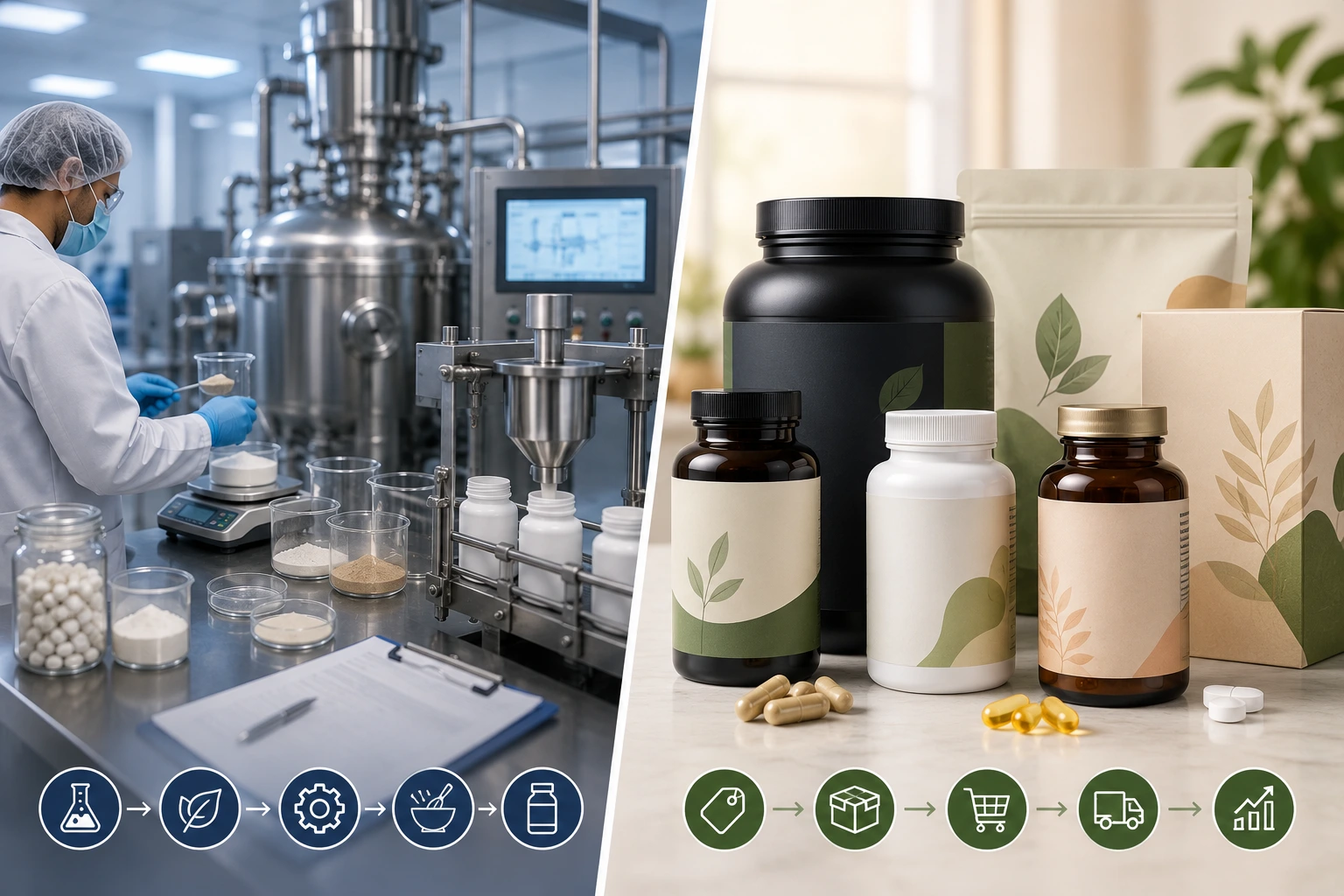
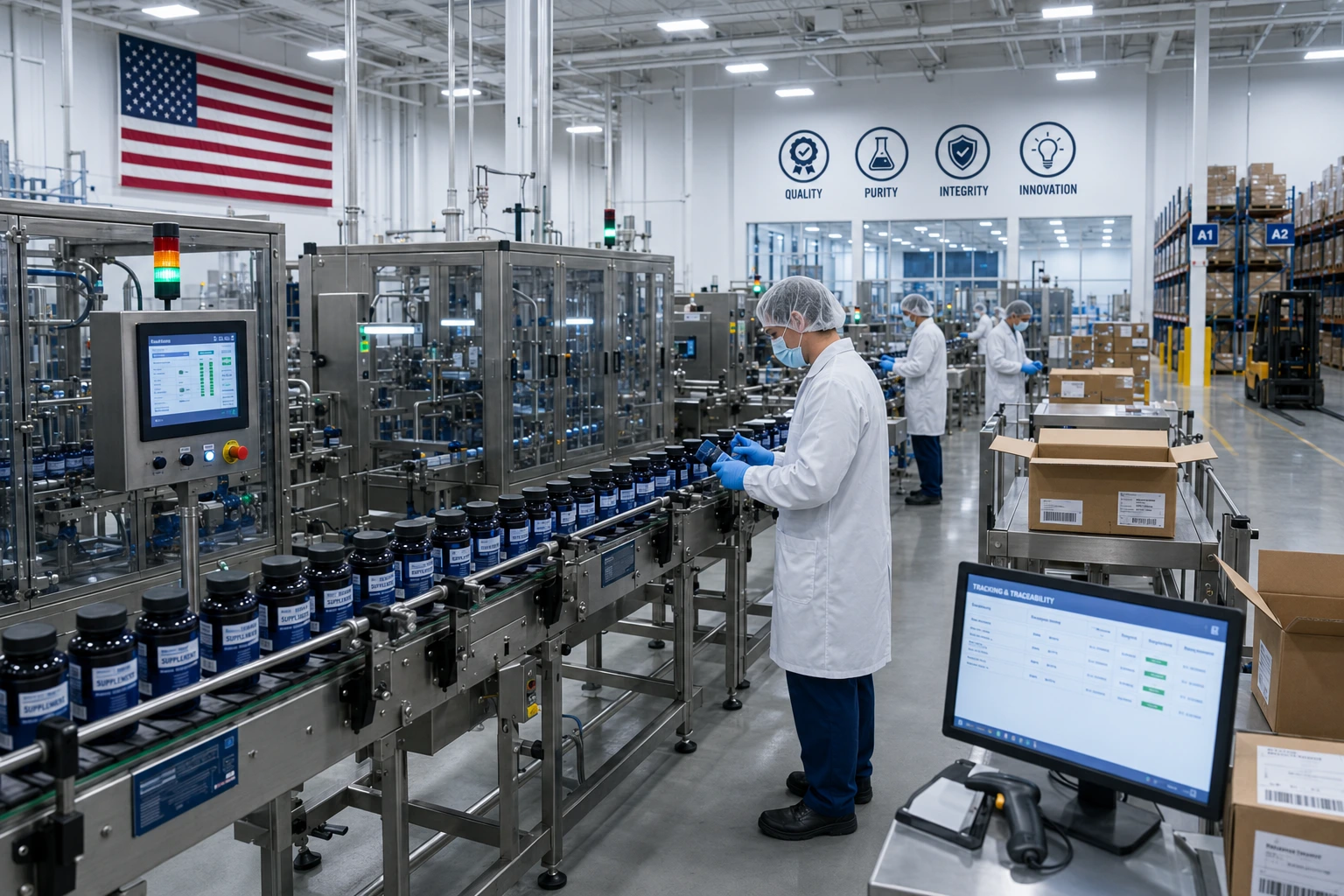
F.A.M.E. Health Labs operates an FDA-registered, cGMP-compliant facility with in-house R&D, precision blending, and automated packaging lines built for both pilot and commercial-scale production. Whether the brief calls for a custom beet root powder supplement formula or a stock formulation, the facility handles capsules, powders, tablets, gummies, and effervescent formats.
Choosing a beet root powder manufacturer with documented FDA and MHRA compliance experience reduces reformulation cycles and shortens time to market. F.A.M.E. Health Labs holds GMP, SQF, MOSA Organic, NSF, and Health Canada certifications, with flexible MOQs and a four-week pilot program for qualifying orders. The infrastructure is already in place for brands ready to move.
Frequently Asked Questions (FAQs)
Q.1. Is beet root powder suitable for pre-workout supplement manufacturing?
A beet root powder supplement is well-suited to pre-workout development. The natural nitrate content supports nitric oxide production and may contribute to improved blood flow and endurance. It is a plant-derived ingredient that integrates into powder and capsule formats without requiring synthetic stimulant co-ingredients.
Q.2. Can beet root powder be used in gummies and capsules?
Both formats work well. Gummies benefit from the natural pigmentation, reducing dependence on added coloring agents. Capsules offer precise dosing in a format suited to nutraceutical and daily health positioning. Moisture management is a production consideration in both cases.
Q.3. What is better for supplements: organic or conventional beet root powder?
The decision maps to the channel and margin strategy. An organic beetroot supplement commands a premium price and supports clean-label documentation. Conventional is fully compliant and cost-effective. Many brands launch on conventional and introduce an organic beet root powder supplement SKU as they scale.
Q.4. What are the main formulation challenges with beet root powder?
Moisture absorption, flavor intensity, and nitrate stability under heat are the most commonly encountered issues. Microencapsulation, excipient selection, and drying method specification address most of them before they become production-stage problems.
Q.5. Why is beet root powder popular in clean-label supplements?
A beet root powder supplement carries a recognizable name, natural color, and a functional benefit story that regulators and consumers both find credible. It aligns with vegan, non-GMO, and whole-food positioning, which broadens the addressable market across multiple retail channels without adding formulation complexity.
References
Global Beetroot Powder Market. Market.us. Retrieved May 29, 2026, from https://market.us/report/global-beetroot-powder-market/
About the author

Content Disclaimer
Services we offer
Production
Product Development
Logistics & Fulfillment




.gif)