// Blog post
Vitamin Tablets vs Gummies: Which Form Should Your Brand Choose?
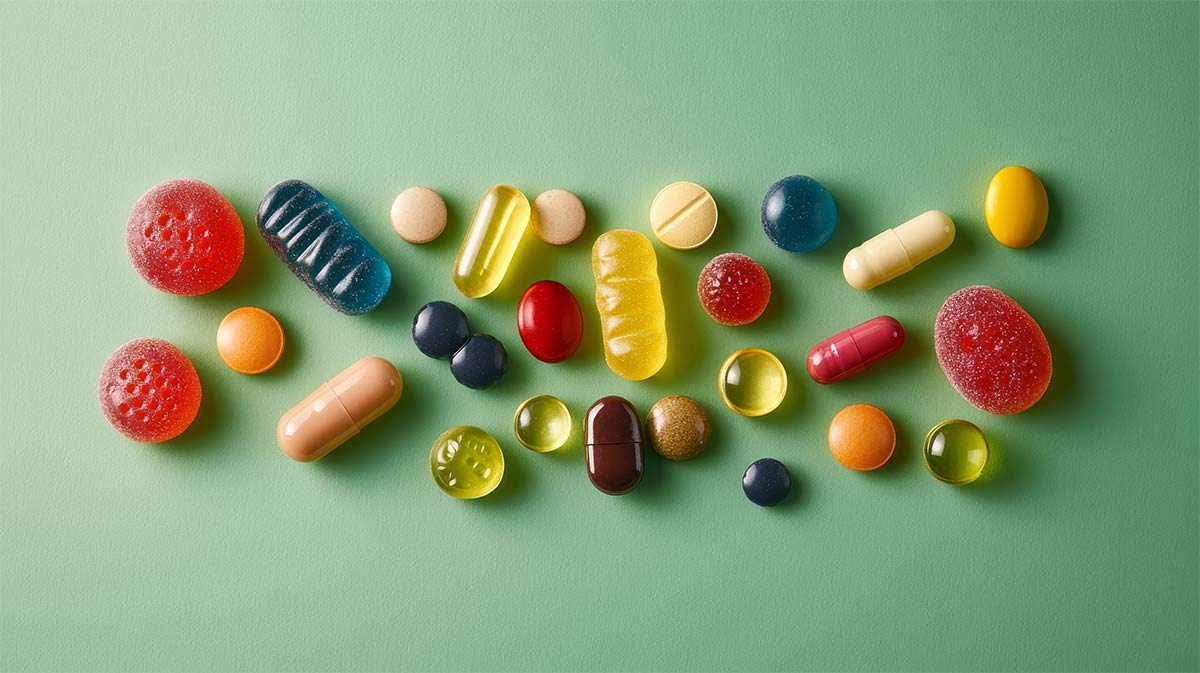
Table of Contents






Recent Posts
Popular posts
Certifications






Choosing between vitamin tablets and gummies for your brand involves understanding the potential benefits and drawbacks of each form. A vitamin's form can influence consumer perception and buying decisions. Tablets have been a staple in the dietary supplements industry due to their established effectiveness, while vitamin gummies have gained popularity for their ease of use and palatability. Consider your brand's target audience and intended market position when deciding, as these factors will guide whether tablets or gummies align best with your brand's values and consumer expectations.
Key Takeaways
- Tablets are cost-effective and potent, offering longer shelf life, precise dosing and higher nutrient concentrations. They suit brands focused on efficiency, stability and high-potency formulas.
- Gummies enhance consumer appeal, providing a flavorful, easy-to-take format that helps people take them every day. They suit children, pill-averse adults and lifestyle-focused supplement lines.
- The best choice depends on your audience and brand goals, balancing factors like consumer preference, bioavailability needs, storage stability, and manufacturing budget to determine the most strategic product form.
What are Vitamin Tablets?
Vitamin tablets are compact, solid dose forms of vitamins designed for easy consumption. They are manufactured using a compression method that typically involves combining vitamins with excipients which serve as fillers or binders. The tablet manufacturing process gives precise control over dosage and keeps each tablet uniform. One of the main advantages is their stability, which extends shelf life and maintains nutrient integrity over time. Additionally, tablets offer a cost-effective solution for mass production, making them a popular choice for many Tablets Manufacturers. This form of vitamin is often preferred by those who prioritize potency and do not mind swallowing pills as part of their daily routine.
What are Vitamin Gummies?
Vitamin gummies are chewable dietary supplements that have grown in popularity due to their various flavors and ease of consumption. These gummies are typically made from gelatin or pectin, sugar, and fruit flavoring, combined with essential vitamins. The vitamin manufacturing process for gummies is slightly different from that of tablets, often paralleling processes used in candy production. This allows Gummies Manufacturers to create appealing shapes and colors, making them more attractive to children and adults who dislike swallowing pills. While they offer a fun and pleasant way to take supplements, their formulation may contain added sugars and fillers, which some consumers might wish to avoid. Vitamin gummies are ideal for those looking for an enjoyable and convenient vitamin-taking experience.
Differences Between Vitamin Tablets and Gummies
Tablet Form
Vitamin tablets are known for their versatility and stability. Tablets can hold a wider range of nutrients at higher doses than most other formats. Tablets are often coated to improve their taste, ease of swallowing, and protection of ingredients inside from moisture and air, which enhances their shelf life. The vitamin manufacturing process for tablets is efficient and cost-effective, which is why many Tablets Manufacturers prefer this form.
One key benefit is the ability to include slow-release formulas that allow for sustained nutrient delivery over time. However, tablets can be less appealing to individuals who find swallowing pills challenging. They are best suited for consumers looking for high-potency vitamin supplements without added flavors or sugars.
Gummy Form
Vitamin gummies provide a palatable alternative to traditional tablet forms, appealing particularly to those who may struggle with swallowing pills. Gummies are easy and enjoyable to consume, offering a variety of flavors and fun shapes that enhance the supplement experience. The manufacturing process for gummies involves blending vitamins with gelatin or pectin, sugars, and flavors, which closely resembles candy production techniques and allows Gummies Manufacturers to deliver an enticing product.
Despite their appeal, vitamin gummies often contain added sugars and may not offer the same nutrient concentration as tablets. They're also prone to degrading more quickly if not stored properly. Nevertheless, they are perfect for consumers, especially children and adults seeking a more enjoyable and less medicinal approach to supplementation.
Key Factors to Consider When Choosing Between Vitamin Tablets and Gummies
Consumer Preferences
Consumer preference is one of the biggest factors when supplement brands choose between vitamin tablets vs gummies. Many consumers gravitate towards vitamin gummies due to their enjoyable taste and ease of use. They especially appeal to children, who may see them as a treat rather than a supplement, and adults who dislike swallowing tablets. On the other hand, traditionalists might prefer vitamin tablets because of their perception of higher efficacy and concentration, often opting for them due to their lower sugar content and proven track record. Brands that understand these preferences can choose the form their target audience actually wants.
Shelf Life and Storage
Shelf life and storage conditions can significantly differ between vitamin tablets and gummies, impacting long-term effectiveness. Vitamin tablets generally have a longer shelf life due to their compressed form, which protects their ingredients from environmental factors such as humidity and air exposure. Tablets can be easily stored in a dry, cool place, retaining their potency over extended periods.
In contrast, vitamin gummies are more susceptible to environmental conditions because they contain ingredients like gelatin or pectin, which can attract moisture and degrade. Gummies often require more specific storage conditions, typically a cool, dry area away from direct sunlight to maintain their texture and prevent sticking or melting. These storage requirements make tablets more convenient for those looking for a long-lasting supply, while gummies may necessitate more careful handling.
Nutrient Bioavailability
Nutrient bioavailability refers to the extent and rate at which the active ingredients are absorbed and utilized in the body. When comparing vitamin tablets vs gummies, there are nuanced differences in how these forms are absorbed. Vitamin tablets can be formulated for specific release profiles, such as immediate or controlled release, influencing bioavailability. Once the tablet dissolves in the stomach, the nutrients are released for absorption, though this can sometimes be hampered by coatings or binding agents.
Vitamin gummies, on the other hand, generally dissolve more easily due to their chewable nature, potentially allowing for faster absorption of nutrients. However, gummies usually carry fewer active ingredients per serving, and some vitamins and minerals are hard to fit into a gummy at full dose. Brands should consider these aspects when developing products, as they can influence the effectiveness and consumer satisfaction with the supplement.
Target Audience
Your target audience should drive the choice between vitamin tablets vs gummies. Vitamin gummies often attract a younger demographic and those who prefer a more enjoyable, palatable supplement experience. They are especially appealing to children and adults who may have pill aversions. The fun shapes and flavors can make taking vitamins a more pleasant routine, aligning with consumers looking for convenience and enjoyment.
Vitamin tablets, contrarily, might resonate more with health-conscious adults who prefer a no-nonsense approach to supplementation. This group may prioritize factors like dosage precision and minimal additives over taste. Tablets are also ideal for those seeking higher concentrations of nutrients or specific formulations, such as extended-release options.
Brands should carefully analyze their audience's preferences, lifestyle, and health concerns to select the product form that best aligns with their consumers' needs.
Manufacturing Timeframe and Costs
The manufacturing timeframe and costs for vitamin tablets vs gummies can vary significantly, impacting a brand’s production decisions. Tablets generally cost less to produce than gummies due to the efficiency of the vitamin manufacturing process. Tablets Manufacturers benefit from a straightforward production line that involves mixing, compressing, and coating, leading to faster turnaround times and reduced expenses. Their longer shelf life also contributes to cost-effectiveness by minimizing waste and facilitating bulk production and storage.
Conversely, vitamin gummies require more complex manufacturing involving specialized equipment and additional ingredients like gelatin or pectin. Gummies Manufacturers face higher ingredient and processing costs due to the need for flavors, colors, and potential sugar content. The production and cooling process is also lengthier compared to tablets, which can extend the manufacturing timeframe.
Brands should weigh budget, timing and market demand to choose the best form for their vitamin products. The goal is the right balance of cost and consumer appeal.
How Can F.A.M.E. Health Labs Help?
F.A.M.E. Health Labs helps brands decide between vitamin tablets and gummies, and then manufactures them. We produce tablets in-house on our campus in Cedartown, Georgia, in an FDA-registered, cGMP, NSF GMP and SQF certified facility, and custom gummies through certified US manufacturing partners.
Our formulators help you hit your nutrient targets and shelf life, and CURI, our ISO 17025 sister lab, runs the testing and stability studies. We walk you through timing and cost for each format. Stock formulas start at 1,000 units, custom formulas at 2,500 units and custom gummies at 5,000 units, so you can launch high-potency tablets, flavorful gummies or both.
Final Thoughts
When deciding between vitamin tablets and gummies for your brand, it's essential to consider several key factors, including consumer preferences, nutrient bioavailability, target audience, and manufacturing costs. Vitamin tablets offer a straightforward and cost-effective solution with a longer shelf life, appealing to those who value potency and precision. In contrast, vitamin gummies offer an enjoyable, easily consumable alternative that is particularly attractive to younger consumers and those averse to swallowing pills.
Evaluate your customer base to determine which product aligns better with their needs and lifestyle preferences. Balancing these considerations with production costs and marketing strategies will help you make an informed decision that can enhance your brand's market presence.
By choosing the right vitamin form, you can better meet your customers' expectations, ensuring satisfaction and loyalty. Making the right choice between vitamin tablets and gummies can lead to successful outcomes for both your brand and its consumers.
FAQs
Do tablets work better than gummies?
The effectiveness of tablets versus gummies depends on personal needs. Tablets often have higher nutrient concentrations, while gummies are easier and more enjoyable to consume, potentially aiding regular use.
Which is more cost-effective for brands?
Vitamin tablets are generally more cost-effective for brands due to their simpler and less costly manufacturing process compared to gummies, which require additional ingredients and more complex production methods.
Why are gummies becoming more popular than tablets for vitamin supplements?
Gummies are gaining popularity because they offer a tasty and fun way to take vitamins, appealing to those who dislike swallowing pills. Their appealing flavors and ease of use make them a preferred choice.
Which form of vitamin supplement absorbs better, tablets or gummies?
It depends on the nutrient and the formula. Gummies break down quickly because they are chewed, while tablets usually carry more of each nutrient per serving. A well-made product in either form delivers what its label states.
// Our Services
What Do You Need?
Select the service that matches your need. Each card expands to show what's included, minimum orders, and certifications then routes you directly to the right section of the form below.

F.A.M.E. Health Labs
Contract Manufacturing
Full-service supplement manufacturing from stock to custom white label, private label, co-manufacturing, and bulk.
See Services






F.A.M.E. Ingredients
Ingredient Sourcing
Global raw material sourcing, proprietary blend development, MOSA Organic, Halal and Kosher flavor systems.
See Services

Curí Inc.
Testing & CRO
ISO/IEC 17025 accredited testing ingredient and finished product. COAs accepted globally by FDA, Health Canada, and EU.
See Services

F.A.M.E. Complete
Enterprise Partnership
Full-platform commercial partnership for high-volume brands. Dedicated team, VP-level account management, real-time portal.
See Services