Synbiotics Supplement: The Next Generation of Gut Health Solutions

Table of Contents






Recent Posts
Popular posts
Certifications








Digestive health products often promise simple answers. The gut microbiome is rarely that simple, though. It changes based on diet, environment, genetics, and daily habits. It also responds differently for every person. As understanding of this complexity grows, supplement formulations have begun to shift away from single-ingredient approaches. One outcome of this shift is the Synbiotic supplement. Rather than focusing on probiotics alone, synbiotics are designed to work with the gut environment more deliberately.
For supplement brands in the US and UK, this category requires a careful balance between scientific rationale, manufacturing discipline, and regulatory restraint. That balance is where experienced manufacturers operate, supporting formulation decisions within regulated frameworks rather than trend-driven shortcuts. This article explains synbiotic supplements in practical terms, how they function, how they are manufactured, and what matters when evaluating quality and credibility.
What are Synbiotics Supplements? A Closer Look
To answer what is a synbiotic supplement, it helps to move past marketing language and focus on structure. Synbiotics combine two components: probiotics, which are live microorganisms, and prebiotics, which are fermentable substrates used by those microorganisms.
The defining feature of a Synbiotic supplement is intentional pairing. Broadly, these fall into two categories: complementary synbiotics, where the components work independently to provide a benefit, and synergistic synbiotics, where the prebiotic is specifically chosen to nourish the co-administered probiotic. The probiotic strains and prebiotic compounds are selected to complement one another, rather than coexist by coincidence. This pairing is designed to support microbial survival and activity once the supplement reaches the gut.
In regulated manufacturing environments, formulation decisions involve strain compatibility, dosage thresholds, and stability behavior. Without that alignment, the two components may not function together in a meaningful way.
Difference Between a Synbiotic vs a Probiotic?
Probiotics are widely recognized, but their limitations are often overlooked. Understanding what is synbiotic science versus standard probiotic use helps explain why the category exists at all.
A probiotic introduces bacteria into the digestive tract. A synbiotic supplement attempts to support those bacteria once they arrive. This distinction affects manufacturing controls, shelf-life planning, and quality testing protocols.
How Do Synbiotics Work? What You Should Know
The gut microbiome behaves more like an ecosystem than a single organ. Microorganisms interact with one another, compete for nutrients, and respond to dietary inputs. Simply adding bacteria does not guarantee that they will survive or remain active.
Synbiotics work by supplying microorganisms alongside substrates that selectively support their metabolic needs. The prebiotic portion can help sustain probiotic activity when both components reach the gut at the same time. This often works better than using probiotics alone, though the results still depend on the specific product and your body.
Scientific research papers suggest that synbiotic combinations may influence digestion, microbial balance, and immune signaling. These effects are not universal. They depend on strain selection, dosage and how the product is manufactured and stored.
Understanding the Potential Benefits of Synbiotics Supplements
The benefits associated with synbiotics are closely tied to formulation quality. Each outcome depends on how well the probiotic and prebiotic components function together.
1. Improved Digestion
Because digestive processes rely heavily on microbial enzyme activity, specific synbiotic combinations are formulated to optimize fiber fermentation and nutrient breakdown. By facilitating these pathways, these supplements can help reduce digestive discomfort when integrated into a broader dietary pattern.
2. Enhanced Immune Function
The gut plays an important role in immune signaling through microbial interaction with intestinal tissues. Synbiotics may influence immune balance by supporting microbial metabolites that interact with immune cells. Evidence suggests this effect is indirect and varies by formulation rather than guaranteed.
3. Gut Microbiome Balance
Microbial diversity is associated with functional resilience. Synbiotics are designed to support specific beneficial populations without broadly disrupting the existing microbiome. This targeted approach is one reason synbiotics are treated differently from broad probiotic blends.
4. Inflammatory Response and Digestive Comfort
Some synbiotic formulations are researched for their role in supporting intestinal comfort. Industry literature points to possible modulation of healthy inflammatory responses in the gut, although results depend heavily on individual health status and formulation design.
Exploring Synbiotics Supplements: Different Types Explained
Synbiotics are delivered in several formats, each with its own manufacturing considerations.
1. Capsules
Encapsulation protects against environmental exposure. While standard shells have permeability limitations, Capsules utilizing specialized acid-resistant materials or barrier packaging (like Alu/Alu blisters) keep probiotic strains isolated from moisture. This supports longer shelf stability under cGMP manufacturing conditions.
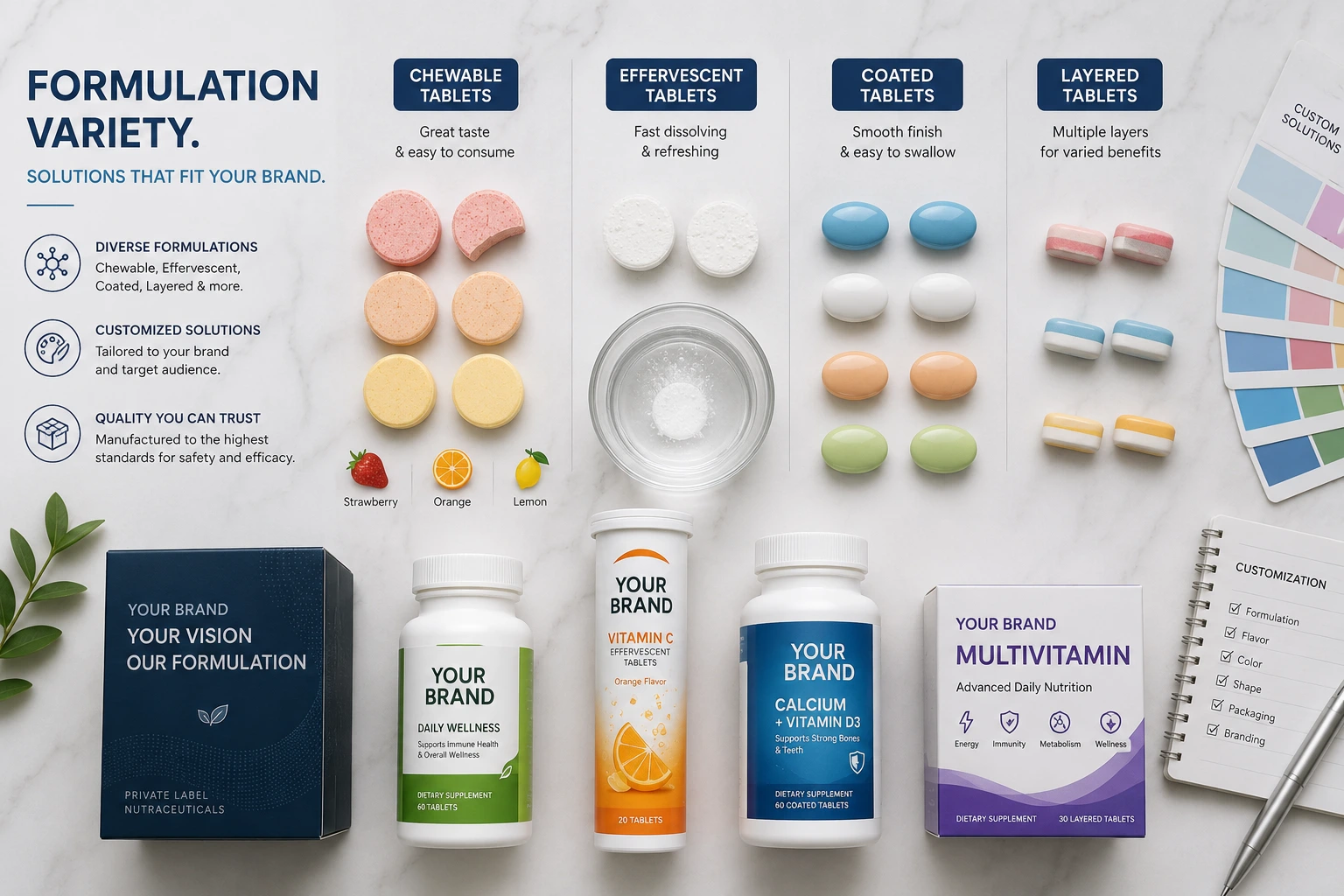
2. Tablets
Compression introduces mechanical stress that can affect microbial viability. Tablets may be used when strains are validated for compression tolerance. Manufacturing controls must balance hardness, disintegration time, and biological stability.
3. Powders
Sachet and bulk powders provide dosing flexibility and are often used in functional nutrition settings. Uniform blending and moisture management are essential to maintain batch consistency and prevent degradation.
4. Liquids
Liquids present additional challenges related to microbial stability and pH control. These are typically developed with stabilized strains and often require refrigerated storage or shorter shelf-life planning.
5. Synbiotic Foods
Synbiotics also appear in functional foods such as yogurts and fortified beverages. These products follow food-grade regulatory frameworks, which differ from dietary supplement requirements in labeling and claims.
How to Choose the Best Synbiotics Supplement?
Selecting the best synbiotic supplement involves evaluating more than ingredient lists. Several practical factors influence product credibility.
- Strain disclosure is one indicator. Reputable products identify probiotic strains rather than listing generic species. Prebiotic type matters as well, since different substrates support different microbial groups.
- Manufacturing transparency also plays a role. Products made in FDA-registered, cGMP-compliant facilities reflect documented quality systems and traceability. For UK distribution, alignment with MHRA-informed practices supports regulatory confidence.
- Finally, formulation intent should match user needs. A general digestive synbiotic differs from one developed with immune or metabolic considerations in mind.
How Synbiotics Are Shaping the Next Phase of Gut Health Science?
The synbiotic supplement category continues to evolve as research deepens and formulation strategies become more refined.
Innovative Research and Advancements
Recent scientific reviews highlight growing interest in strain-specific synbiotic pairings rather than broad combinations. Peer-reviewed research emphasizes targeted microbial nourishment as a factor in achieving more consistent outcomes.
Market research sources report steady expansion of synbiotic products, although adoption rates vary by region and application. This reflects cautious integration rather than rapid saturation.
Personalized Gut Health Solutions
Personalized nutrition is influencing how synbiotics are developed. Advances in microbiome analysis may support more tailored formulations over time. For manufacturers, this shift places greater emphasis on flexibility, documentation, and controlled customization.
Facilities capable of supporting small-batch development alongside scalable production are better positioned to adapt to this direction.
Closing Note on Synbiotics and Gut Health
Synbiotics feature a more integrated approach to digestive health, combining microbial science with nutritional support. Their effectiveness depends on formulation accuracy, strain compatibility, and disciplined manufacturing processes. For this reason, as consumer understanding and scientific evidence continue to mature, synbiotics are likely to remain a focused, formulation-driven segment within the gut health supplements market.
For brands entering or expanding in this category, manufacturing experience becomes a crucial factor to look at. At F.A.M.E. Health Labs, we operate within FDA and UK-aligned quality frameworks. These support synbiotic production through documented systems rather than marketing claims.
FAQs
What are synbiotics, and how do they differ from probiotics and prebiotics?
Synbiotics combine probiotics and prebiotics in a single formulation. Probiotics introduce beneficial microorganisms, prebiotics provide substrates that support microbial activity, and synbiotics are designed to support both together.
What are the health benefits of taking synbiotic supplements?
Commonly discussed synbiotic supplement benefits include digestive support, microbiome balance, and immune modulation. However, how much they help depends on formulation quality, strain selection, and individual gut health.
How do I know if I need synbiotics supplements?
Synbiotics may be considered when digestive comfort is inconsistent or when probiotic use alone does not meet expectations. Healthcare professionals can check if these blends fit your personal situation.
Are synbiotics safe for everyone to use?
Synbiotics are generally considered safe for many healthy adults when used as directed. However, responses can vary depending on individual health conditions, existing digestive issues, and immune status. People who are pregnant, immunocompromised, or managing chronic medical conditions should consult a healthcare professional before starting synbiotic supplements.
What Do You Need?

Contract Manufacturing
Full-service supplement manufacturing from stock to custom white label, private label, co-manufacturing, and bulk.






Ingredient Sourcing
Global raw material sourcing, proprietary blend development, MOSA Organic, Halal and Kosher flavor systems.


Testing & CRO
ISO/IEC 17025 accredited testing ingredient and finished product. COAs accepted globally by FDA, Health Canada, and EU.



Enterprise Partnership
Full-platform commercial partnership for high-volume brands. Dedicated team, VP-level account management, real-time portal.

Most Viewed Posts