// Blog post
What Is Protein Powder Made Of? A Deep Dive into Ingredients and Benefits

Table of Contents





Recent Posts
Popular posts
Certifications







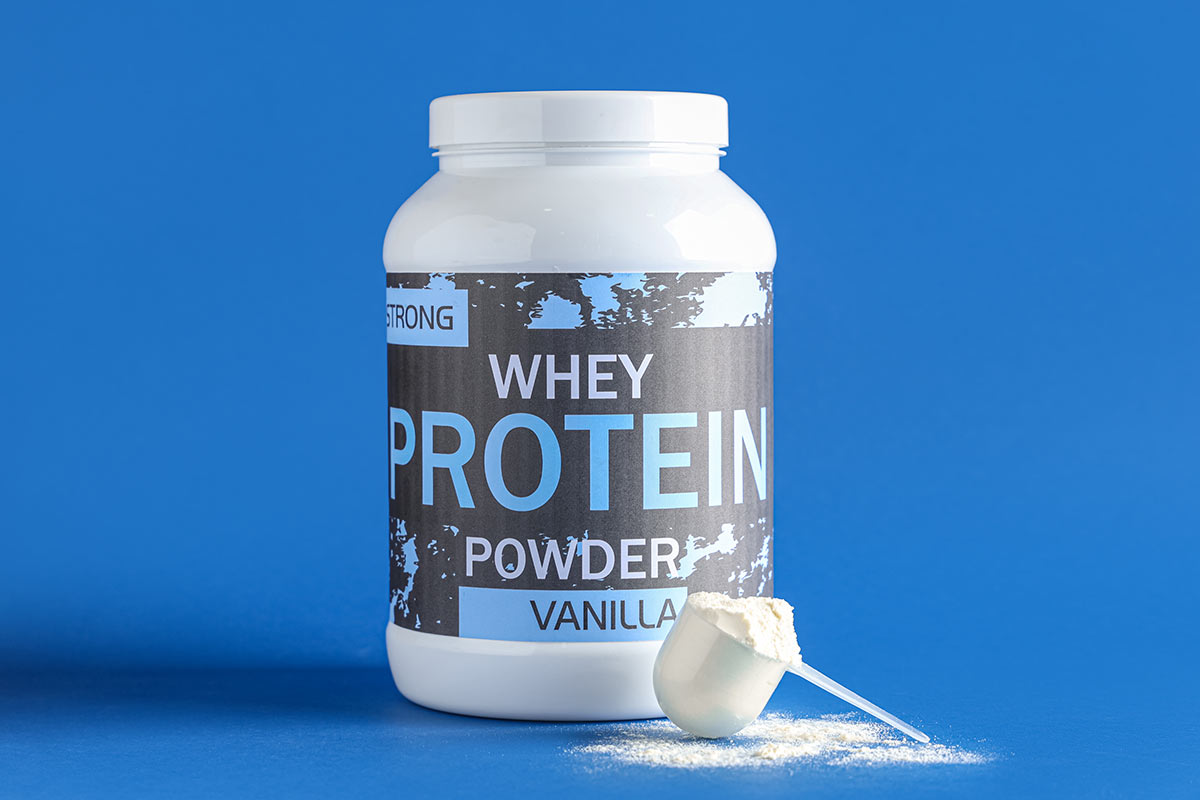
Protein powder is a popular dietary supplement celebrated for its ability to enhance muscle growth and aid in recovery. At its core, protein powder is made primarily from milk, eggs, or plants. These sources are rich in proteins essential for building and repairing tissues. Whether you’re looking to boost your protein intake for athletic performance or general health, understanding what is protein powder made of can help you make informed decisions.
Key Takeaways
- Protein powders come from multiple sources, including whey, casein, egg whites, collagen, and plant-based options, each offering unique benefits for muscle growth, recovery, or overall wellness.
- The manufacturing process matters, involving careful sourcing, extraction, and refinement to ensure high-quality protein that is pure, digestible, and aligned with consumer dietary needs.
- Protein powder supports diverse goals, from muscle building and weight management to improved digestion and general nutrition, making it a versatile supplement for many lifestyles.
What Are Powder Supplements?
Powder supplements are dietary supplements sold as a powder that you mix into water, milk, or a smoothie. Protein powder is the best known, but the format also covers pre-workouts, creatine, greens, electrolytes, and collagen. Powders suit larger servings that would take many capsules to deliver.
To make the most of powder supplements, it's important to select products that align with your goals and consult with a healthcare professional if needed.
What Are the Primary Ingredients in Protein Powder?
Whey Protein Powder
Whey protein powder is one of the most popular forms of protein supplementation, prized for its high-quality protein content and rapid absorption. It is derived from milk during the cheese-making process, where liquid whey is separated from the curds. Rich in essential amino acids, whey protein contributes significantly to muscle repair and growth, making it a favored choice among athletes and bodybuilders.
Whey protein is excellent for muscle recovery and growth. Individuals with milk allergies should avoid it, as whey can trigger allergic reactions.
Casein Protein
Casein protein is another high-quality protein source derived from milk, accounting for roughly 80% of its protein content. Unlike whey, casein digests more slowly, releasing amino acids gradually over several hours. This slow-release makes casein ideal for providing a sustained supply of protein, especially beneficial during times of fasting, such as overnight.
In addition to supporting muscle health, casein protein can aid in weight management because of its satiating effect, helping you feel full for longer. However, like whey, those with dairy sensitivities may experience digestive discomfort, making plant-based alternatives a preferable option for some individuals.
Plant-Based Proteins
Plant-based proteins offer a diverse range of protein powders derived from various plant sources such as soy, pea, rice, hemp, and quinoa. These proteins are excellent alternatives for vegetarians, vegans, and those with lactose intolerance or milk allergies. Each plant-based protein source brings unique benefits and nutritional profiles, making them a versatile option for diverse dietary needs.
Soy protein is perhaps the most well-known plant-based alternative, containing all essential amino acids needed for muscle growth and repair. Pea protein is another favorite, especially among those seeking a hypoallergenic choice. It's rich in branched-chain amino acids (BCAAs) that support muscle building. Rice protein, often combined with pea protein, provides a complete amino acid profile, while hemp protein offers essential fatty acids alongside protein.
Egg White Protein
Egg white protein is a highly efficient source of protein derived from the egg whites, celebrated for its high biological value and excellent amino acid profile. Known for being low in fat and carbohydrates, egg white protein is often chosen by those seeking to increase protein intake while maintaining a lean physique. It offers a complete set of essential amino acids necessary for muscle growth and recovery, placing it among the most effective non-dairy protein options.
Egg white protein supports muscle development and helps sustain energy levels. However, it may not be suitable for those with egg allergies. Overall, it is ideal for athletes and fitness enthusiasts looking for a lactose-free protein source that still delivers a powerful punch of nutrition.
Collagen Protein
Collagen protein powder is a unique form of protein supplement derived from animal sources such as bovine hide, chicken, or fish scales. Unlike other protein powders that focus primarily on muscle building, collagen is known for supporting joint, skin, hair, and nail health. It is rich in the amino acids glycine, proline, and hydroxyproline, which are vital for the structural integrity of the body's connective tissues.
Protein powders offer diverse options to suit various dietary preferences and fitness goals. While whey protein is recognized for its muscle-protecting benefits, collagen supports joint and skin health, although it is not a complete protein because it lacks tryptophan. For those preferring plant-based alternatives, combinations like soy, hemp, rice, and pea proteins can provide a complete amino acid profile.
How Protein Powder Is Manufactured
Sourcing the Ingredients
Sourcing ingredients for protein powder is a careful, step-by-step process, because it decides how safe and high-quality the final product is. The process begins with selecting raw materials from reliable suppliers who maintain stringent quality control measures. For example, when sourcing whey or casein protein, reputable dairy farms adhering to ethical and sustainable practices are prioritized. This can include checking animal welfare standards and the supplier's testing for residues.
In the case of plant-based proteins, sourcing focuses on organic and non-GMO crops. Whether it’s soybeans, peas, or rice, these ingredients are typically obtained from farms dedicated to environmentally friendly and sustainable agriculture. Clean, intact plant materials keep their natural nutrients and carry less exposure to pesticides and artificial chemicals.
For egg white protein, sourcing relies on farms that follow sanitary and ethical poultry rearing standards. Collagen protein materials are similarly derived from animals raised in controlled, safe environments to ensure purity and quality.
Engaging with reliable sources allows Powder Manufacturers to ensure consistent quality, while custom supplement formulations can address specific consumer needs. Overall, careful ingredient sourcing is foundational in producing superior protein powders tailored to diverse dietary requirements.
Extraction Process
The extraction process is a critical step in producing high-quality protein powders. This phase involves isolating and purifying the protein from its raw material source while retaining its nutritional integrity. The methods employed vary depending on the type of protein being processed.
For whey protein, the extraction typically begins with the separation of whey from milk during cheese production. The liquid whey undergoes microfiltration or ultrafiltration to remove fats and carbohydrates, concentrating the protein. This gentle process preserves the essential amino acids and bioactive compounds, resulting in a highly effective protein supplement.
Casein extraction involves a different approach, where it is precipitated from milk by acidification, followed by washing and drying to achieve a fine powder form. Plant-based proteins like soy or pea undergo mechanical crushing and milling to separate the protein-rich portion. Enzymatic and other mechanical processes further enhance protein concentration while minimizing anti-nutritional factors.
Egg white protein extraction involves separating yolks from whites, followed by a dehydration process to form a fine powder. Collagen extraction uses a hydrolysis method that breaks down the protein into peptides, making it easily digestible and bioavailable.
Refining Protein
After extraction, the protein is refined so the final product is high-quality and ready for consumers. This step focuses on purifying and enhancing the protein's bioavailability while eliminating undesirable substances such as excess fats, carbohydrates, and unwanted minerals.
Once extracted, the protein undergoes a series of refinement techniques. For whey and casein proteins, this might involve advanced filtration methods like ion-exchange chromatography, which targets specific impurities and separates them based on their charge. This process enhances the protein’s purity, yielding a concentrated product.
In the refinement of plant-based proteins, additional processing, such as removing starches or fiber, may be required. The goal is to increase protein content while maintaining a clean and hypoallergenic final product. Techniques such as air classification or enzyme treatment are often employed to achieve the desired level of purity and functionality.
For egg white and collagen proteins, refinement includes pasteurization and spray drying, which not only purify the protein but also ensure its stability and prolong shelf life.
Careful refining matters most to powder manufacturers developing custom supplement formulations. It guarantees that the protein powder is effectively concentrated, free from impurities, and tailored to meet consumer expectations for quality and performance in various dietary applications.
Nutritional Components Found in Protein Powders
Protein powders are packed with a variety of nutritional components that cater to diverse dietary needs and fitness goals. Primarily, they are an excellent source of high-quality protein, containing essential amino acids necessary for muscle repair and growth. Depending on the source, the concentration of amino acids varies, with whey and egg white proteins typically offering a complete profile.
In addition to protein, these powders may contain carbohydrates, which provide a quick source of energy. This is particularly common in formulations designed for post-workout recovery, where replenishing glycogen stores is essential. Furthermore, fats present in some powders, such as those derived from hemp, can provide essential fatty acids that support heart and brain health.
Most protein powders also include vitamins and minerals, such as calcium, magnesium, and B vitamins, to support overall health and bodily functions. Some formulations might be enriched with added nutrients like fiber for digestive health, probiotics for gut health, or omega-3 fatty acids for heart health.
Benefits of Protein Powder
Muscle Building and Recovery
Protein powder is renowned for its key role in muscle building and recovery, thanks to its rich content of essential amino acids, including branched-chain amino acids (BCAAs) such as leucine, isoleucine, and valine. These nutrients are critical for stimulating muscle protein synthesis, the process by which the body repairs and builds new muscle fibers.
The protein powder made of high-quality sources like whey and casein is particularly beneficial post-workout. Whey is rapidly absorbed, delivering a quick supply of amino acids to the muscles, thereby initiating repair and growth almost immediately after exercise. On the other hand, casein is slowly digested, providing a sustained release of amino acids, which is ideal for prolonged periods without food intake, such as overnight recovery.
In addition to supporting muscle growth, protein powder aids in recovery by reducing muscle soreness and enhancing the repair of muscle tissue damaged during demanding workouts. This ensures that individuals can train more effectively and frequently, leading to optimal performance improvements.
Weight Management
Protein powders can play a significant role in weight management by promoting satiety, supporting muscle mass preservation, and facilitating metabolism. Due to their high protein content, these powders help increase the feeling of fullness after meals, which can reduce overall calorie intake and help with appetite control. That helps anyone trying to lose or maintain weight.
The preservation of lean muscle mass is another critical factor in weight management. Protein powder made of high-quality ingredients like whey or plant-based proteins assists in muscle retention, especially during calorie-restricted diets. Maintaining muscle mass is essential, as it burns more calories at rest compared to fat tissue, thereby enhancing metabolic rate.
Many custom supplement formulations also include additional components like fiber or ingredients that support a healthy metabolism. For instance, adding fiber can support digestive health and prolong the feeling of fullness, while ingredients like green tea extract may modestly support metabolism.
Digestibility and Absorption
Digestibility and absorption are critical factors that influence the effectiveness of protein powders. High-quality protein powders are designed to be easily digested, ensuring that their nutrients are readily available for absorption by the body. This ensures optimal protein utilization, which is vital for muscle repair, growth, and overall health.
Plant-based proteins vary in digestibility, with options like pea and soy protein offering relatively good absorption rates. Some formulations are treated with enzymes to enhance digestibility, reducing potential gastrointestinal discomfort associated with plant proteins.
Products tailored by Powder Manufacturers often focus on maximizing both digestibility and absorption, using techniques like enzymatic processing to break down proteins into smaller peptides. This improves their bioavailability, ensuring that the body can make the most of the nutrients provided.
Global Market Trends of Powder Supplements
The global market for powder supplements has been experiencing significant growth, driven by increasing consumer awareness about health and wellness. As individuals seek ways to enhance their fitness and overall nutritional intake, protein and other powder supplements have surged in popularity. This trend reflects a broader shift towards proactive health management and the growing adoption of plant-based diets.
One notable trend is the rise in demand for plant-based protein powders. As more people embrace vegetarianism and veganism, there's a noticeable shift from traditional animal-based proteins like whey and casein to plant-based options such as soy, pea, and hemp. This shift aligns with the increasing consumer focus on sustainability and ethical food sourcing.
Innovations in custom supplement formulations are another key trend, with Powder Manufacturers developing personalized nutrition solutions. These products cater to niche markets, including those requiring allergen-free, organic, or non-GMO ingredients. This customization is driven by consumer demand for supplements that are not only effective but also align with their values and lifestyle choices.
How F.A.M.E. Health Labs Can Support Your Powder Supplement Manufacturing Needs
F.A.M.E. Health Labs manufactures powder supplements in the US and supports you from formulation through packaging. With a commitment to quality, innovation, and customer satisfaction, we cater to a diverse range of health and wellness markets.
Our expertise in producing high-quality protein powders and custom supplement formulations ensures that your products not only meet industry standards but also achieve a competitive edge. We employ advanced manufacturing techniques, including precise ingredient sourcing and careful refinement, to deliver products that are both effective and safe.
We understand the importance of aligning supplements with evolving consumer demands. Our team is skilled in developing formulations tailored to specific dietary preferences and wellness goals, whether it’s for muscle building, weight management, or overall health. This customization allows you to offer products that resonate with today's health-conscious consumers seeking protein powder made of choice ingredients.
We also support product development from concept to commercialization, including packaging and labeling solutions that meet regulatory requirements. Whether you are a large brand or a start-up, our stock formulas start at 500 units and custom formulation at 2,500 units, so the minimums fit your stage.
Final Thoughts
Protein powders continue to be a foundational element in achieving diverse health and fitness goals, from muscle building to weight management and overall well-being. Understanding what is protein powder made of and the benefits of protein powder can guide you in selecting the right product tailored to your needs. Awareness of the ingredients in protein powder, such as whey, casein, plant-based proteins, egg whites, and collagen, allows for informed choices that align with dietary preferences and goals.
As you compare the options, consider how each type of protein and formulation fits your lifestyle and health goals. Protein powders can support muscle recovery, weight management or everyday nutrition. Remember, the key lies in the quality of the protein powder made out of select ingredients catered to your unique requirements.
FAQs
Is protein powder made of mealworms?
No, traditional protein powders are not made of mealworms. Most are derived from sources like whey, casein, soy, pea, or other plant and animal proteins. However, insect protein is an emerging trend.
Is protein powder veg or nonveg?
Protein powder can be both veg and non-veg. Plant-based proteins like soy, pea, and rice are vegetarian, while whey, casein, and egg white proteins are non-vegetarian.
What Is the Difference Between Whey and Plant-Based Protein?
Whey protein is derived from milk, offering complete amino acids and fast absorption, ideal for muscle recovery. Plant-based proteins, sourced from plants like soy or pea, cater to vegan diets and may have differing amino acid profiles.
Is Protein Powder Safe for Everyone?
Protein powder is generally safe for most people but may not suit those with allergies or specific health conditions. It's best to consult with a healthcare provider before starting any supplement.
Are There Any Artificial Ingredients in Protein Powder?
Some protein powders do contain artificial ingredients such as sweeteners, flavorings, or preservatives. However, many brands offer natural formulations without artificial additives. Always check the label for ingredient details.
// Our Services
What Do You Need?
Select the service that matches your need. Each card expands to show what's included, minimum orders, and certifications then routes you directly to the right section of the form below.

F.A.M.E. Health Labs
Contract Manufacturing
Full-service supplement manufacturing from stock to custom white label, private label, co-manufacturing, and bulk.
See Services






F.A.M.E. Ingredients
Ingredient Sourcing
Global raw material sourcing, proprietary blend development, MOSA Organic, Halal and Kosher flavor systems.
See Services

Curí Inc.
Testing & CRO
ISO/IEC 17025 accredited testing ingredient and finished product. COAs accepted globally by FDA, Health Canada, and EU.
See Services



F.A.M.E. Complete
Enterprise Partnership
Full-platform commercial partnership for high-volume brands. Dedicated team, VP-level account management, real-time portal.
See Services