

Why Is Protein Powder So Expensive? Understanding the Cost Factors
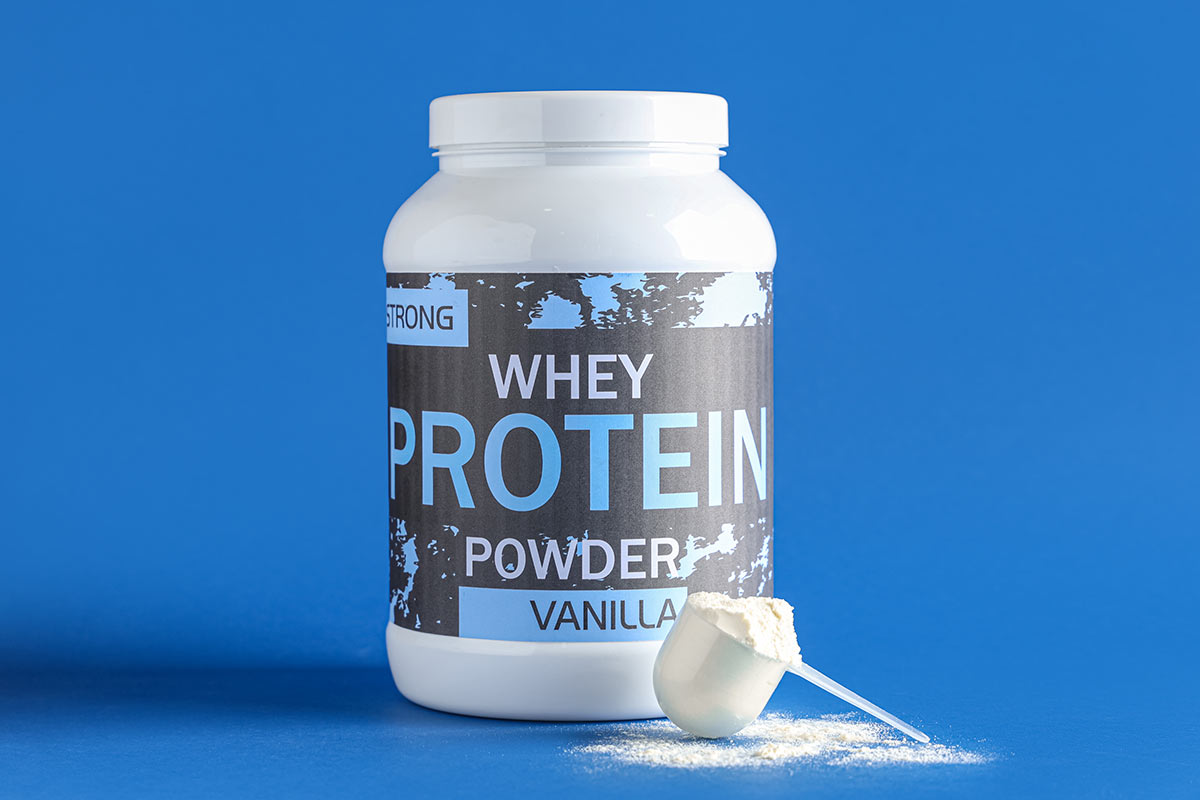
Table of Contents





Recent Posts
Popular posts
Certifications






Protein powder is a popular supplement in today's health-conscious society, but many are left wondering, "Why is protein powder so expensive?" Several intertwined factors drive up its cost. These factors include the raw materials required, production processes, and global economic conditions. Understanding these intricacies can shed light on the pricing structure of this essential supplement, which plays a vital role in the fitness and wellness industry.
Key Takeaways
- Protein powder prices are driven largely by raw material volatility—dairy, soy, pea, and other protein sources fluctuate based on farming costs, climate change, and global market conditions.
- Production and supply chain pressures significantly raise costs, including energy-intensive processing, quality testing, inflation, and disruptions in global logistics.
- Rising consumer demand for high-quality, clean-label, and sustainable protein further increases manufacturing expenses, contributing to why protein powder remains relatively expensive.
Here are Some Factors Which is Affecting the Cost of Manufacturing Protein Powders
Surge in Demand for Protein Supplements
As the health and fitness industry continues to grow, so does the demand for protein supplements. People are becoming more dedicated to personal wellness and fitness goals, resulting in a significant increase in the consumption of protein powder. This rising demand contributes to higher costs because manufacturers must scale production to meet this growing need. Additionally, increased consumer awareness about protein's benefits, such as muscle growth and recovery, further accelerates demand, putting extra pressure on supply chains and contributing to price increases. As more people embrace protein supplements, understanding these demand dynamics is crucial.
Impact of Raw Material Costs
The raw materials used in protein powder production significantly contribute to its overall expense. Ingredients like whey, casein, soy, and pea proteins are subject to price fluctuations based on agricultural conditions, trade tariffs, and global market demand. When the cost of these raw materials rises, manufacturers often pass the increases onto consumers, influencing why protein powder is so expensive. For example, whey protein, a common ingredient, can be especially susceptible to changes in dairy industry pricing dynamics. The cost of protein powder is also affected by the need for high-quality, pure materials, which are essential for producing safe and effective supplements. Additionally, variations in regional availability and the increasing preference for organic and sustainable options add layers to the cost structure. This volatility makes it challenging for manufacturers and consumers alike to forecast and manage costs.
Global Supply Chain Disruptions
Global supply chain disruptions have been pivotal in increasing the cost of protein powder. Events such as pandemics, trade wars, and logistical issues can create significant delays and shortages in the availability of necessary raw materials and packaging components. As a result, manufacturers face increased transportation and logistical costs, which subsequently lead to higher retail prices for consumers. These disruptions also create uncertainties in production timelines, making it difficult for companies starting a protein powder business to maintain steady inventory levels. The interconnected nature of global trade means that even minor disruptions can have a ripple effect, impacting the entire supply chain and the costs associated with manufacturing protein powders. Consequently, understanding these global factors is essential for grasping the complexities involved in the cost of protein powder.
Effect of Rising Inflation
Rising inflation is another critical factor impacting why protein powder is so expensive. Inflation affects every aspect of the supply chain—from the cost of raw materials and labor to transport and storage expenses. As inflation rises, manufacturers face increased costs that often translate into higher prices for consumers. For businesses starting a protein powder business, inflation can create substantial challenges in pricing strategies and budgeting. Moreover, increased inflation rates reduce purchasing power, which can alter consumer spending habits, influencing the demand for more affordable protein powder options. This economic pressure complicates efforts to manage costs and maintain competitive pricing. Keeping abreast of inflationary trends is vital for both consumers and industry players aiming to navigate the evolving landscape of protein powder pricing.
Farm-Related Costs
Farm-related costs are a substantial component of the cost structure in protein powder manufacturing. The prices of raw agricultural products, such as milk for whey protein or soybeans for soy protein, significantly affect the cost of the final product. Factors influencing farm costs include land prices, feed costs, and livestock management expenses. Additionally, farming operations must contend with labor shortages and higher wages, both of which can impact overall production expenses. These rising costs are often passed down the supply chain, contributing to the increased cost of protein powder.
The expense involved in sustainable and organic farming practices—which are increasingly in demand—can also add to the price of ingredients like organic pea protein. As farms strive to meet environmental and consumer standards, these additional costs become embedded in the final retail price. Understanding these farm-related dynamics is critical for evaluating the cost of protein powder and predicting future price trends.
Role of Climate Change
Climate change plays an increasingly significant role in the cost of protein powder production. Changes in weather patterns, such as increased frequency of droughts, floods, and unpredictable weather events, affect agricultural yields and raw material quality. These environmental disruptions lead to volatility in the availability and pricing of ingredients like soybeans, peas, and dairy milk. The cost implications are substantial as farmers face more frequent crop losses and higher insurance premiums. Consequently, these expenses ripple through the supply chain, escalating the cost of the final protein powder product.
Furthermore, the pressure to adopt sustainable agricultural practices in response to climate change can also raise production costs. Efforts to reduce carbon footprints and implement eco-friendly practices require investment in new technologies and methods, which can be costly. As climate change continues to impact agricultural processes, understanding its influence on protein powder costs is crucial for consumers and manufacturers to navigate the evolving market landscape.
Production and Processing Costs
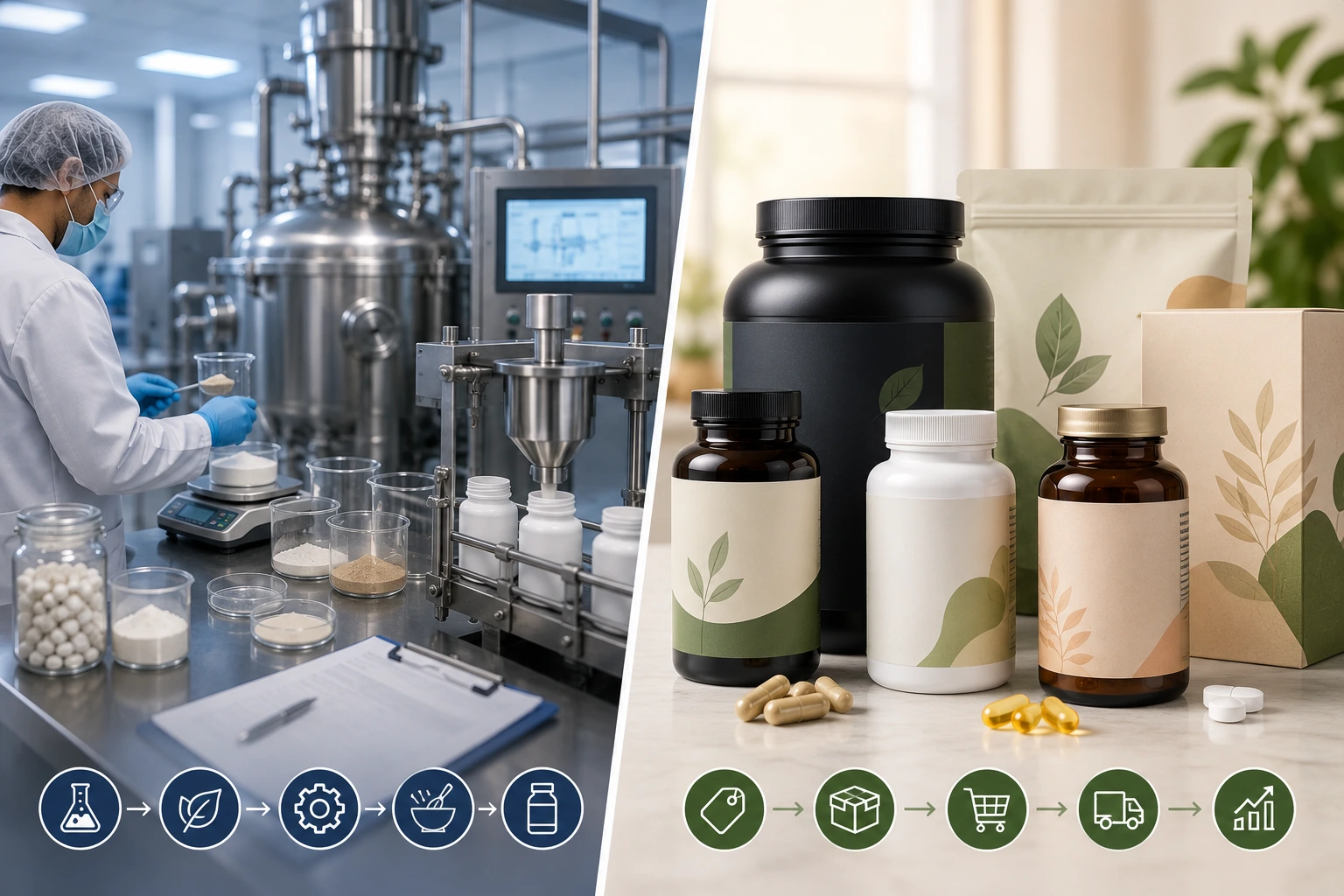
Production and processing costs are critical contributors to why protein powder is so expensive. The process of extracting protein from raw materials involves multiple steps, including filtration, pasteurization, and drying, each requiring specialized equipment and significant energy consumption. These processes are not only capital-intensive but also demand skilled labor, further driving up costs.
Additionally, maintaining high standards of quality and safety throughout production necessitates rigorous testing and adherence to regulatory requirements, adding layers of complexity and expense. The involvement of powder manufacturer in upgrading machinery to enhance efficiency and meet evolving consumer expectations, such as demand for cleaner labels and enhanced flavor profiles, also influences the cost of protein powder.
For businesses starting a protein powder business, understanding these multifaceted production costs is essential for budgeting and pricing their products competitively. Mastering these elements ensures that companies can efficiently manage costs while delivering high-quality products to consumers.
Final Thoughts
In conclusion, the high cost of protein powder can be attributed to a combination of factors ranging from raw material expenses and global supply chain disruptions to the impacts of climate change and inflation. Each element within the production process—from farm-related expenses to detailed processing requirements—plays a pivotal role in determining the final price. As consumer demand continues to grow, so does the necessity for sustainable and high-quality products, further influencing costs. For those starting a protein powder business, understanding these dynamics is crucial to creating a successful product strategy that balances affordability and quality. By staying informed on these factors, consumers and manufacturers alike can make more educated decisions in the ever-evolving protein powder market.
FAQs
Why is protein powder so expensive compared to other supplements?
Protein powder tends to be more expensive due to high raw material costs, extensive processing, and stringent quality control requirements. Additionally, demand for protein supplements drives pricing, unlike more niche supplements with lower consumer interest.
What factors determine the price of protein powder?
The price of protein powder is determined by raw material costs, production and processing expenses, supply chain logistics, and market demand. Other factors include inflation rates, climate effects on agriculture, and quality standards compliance.
Can supply chain disruptions affect the cost of protein powder?
Yes, supply chain disruptions can significantly increase the cost of protein powder by causing shortages, delaying deliveries, and raising transportation expenses. These disruptions lead to increased production costs that are often passed on to consumers.
How do consumer trends impact the pricing of protein powder in the B2B market?
Consumer trends influence the B2B market by driving demand for specific protein types, sustainable practices, and clean-label products. High demand results in increased production costs, which businesses must accommodate, impacting overall pricing strategies.
What Do You Need?

Contract Manufacturing
Full-service supplement manufacturing from stock to custom white label, private label, co-manufacturing, and bulk.






Ingredient Sourcing
Global raw material sourcing, proprietary blend development, MOSA Organic, Halal and Kosher flavor systems.


Testing & CRO
ISO/IEC 17025 accredited testing ingredient and finished product. COAs accepted globally by FDA, Health Canada, and EU.


Enterprise Partnership
Full-platform commercial partnership for high-volume brands. Dedicated team, VP-level account management, real-time portal.
Most Viewed Posts