// Blog post
Vegan vs Gelatin Capsules: Which Is the Right Choice for Your Supplements?
.png)
Table of Contents





Recent Posts
Popular posts
Certifications




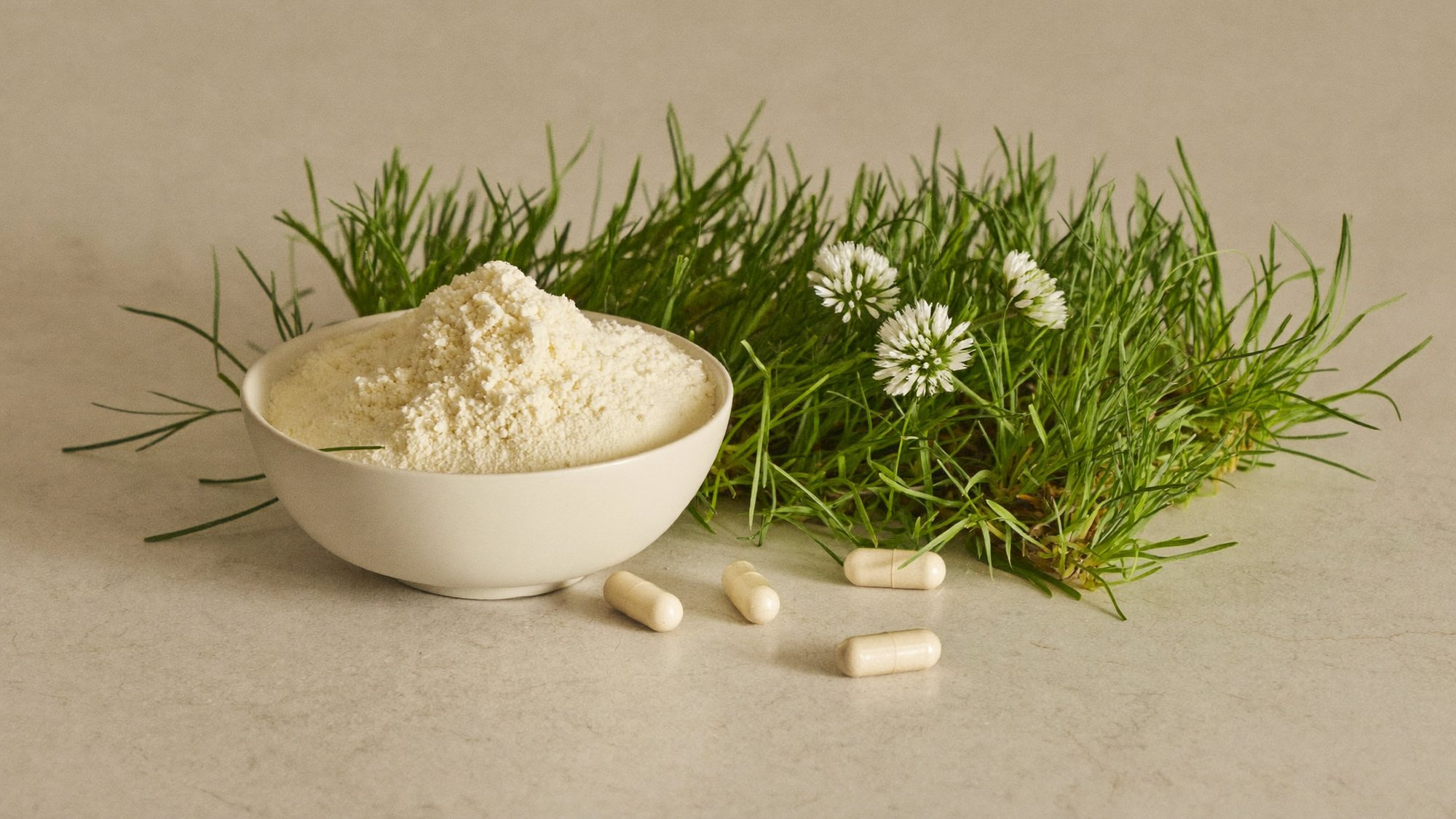
Choosing between vegan and gelatin capsules affects who can buy your supplement, what it costs and how it performs. Ethics, dietary restrictions, environmental concerns and the ingredients you are filling all play a part. Vegan capsules fit plant-based and cruelty-free positioning, while gelatin capsules are cheaper and dissolve quickly. Here is how the two compare, so you can pick the right shell for your product line.
Key Takeaways:
- Dietary & Ethical Alignment Matters: Vegan capsules are ideal for plant-based, allergen-sensitive, or ethically conscious consumers, while gelatin capsules, derived from animal collagen, may not suit vegan or vegetarian lifestyles but are widely accepted for general supplement use.
- Cost vs. Sustainability: Gelatin capsules are affordable and dissolve quickly, which makes them popular in mass production. Vegan capsules are cruelty-free, hold less moisture and suit moisture-sensitive ingredients, but they cost more.
- Choose Based on Your Brand Values & Consumer Needs: For brands targeting ethical, health-conscious, or eco-friendly markets, vegan capsules provide a strong USP. If the goal is the lowest unit cost, gelatin may be more practical. F.A.M.E. Health Labs manufactures both in-house.
What are Vegan Capsules?
Vegan capsules are two-piece hardshell capsules used to deliver various nutraceutical ingredients in dietary supplements. Unlike traditional gelatin capsules, which are typically derived from animal sources like beef, pork, or fish, vegan capsules are made from plant-based materials. Common ingredients include hypromellose (a cellulose derivative), pullulan (a water-soluble polysaccharide from fungi), and food starches such as tapioca.
Capsule makers dissolve the plant-based material, dip steel pins into the solution to form the two halves, and then dry them. The result is a plant-based alternative to gelatin that suits vegetarian and vegan consumers.
What are they Made of?
Vegan capsules are primarily made from plant-derived materials like cellulose or fermented tapioca. The most common is hydroxypropyl methylcellulose (HPMC), a modified cellulose usually made from wood pulp. Because they contain no animal products, vegan capsules suit vegan, vegetarian and many religious diets, and they appeal to consumers looking for ethical supplement options.
Pros & Cons of Vegan Capsules
Pros
Plant-Based & Free of Animal Ingredients
Vegan capsules are a good choice for people with dietary restrictions or sensitivities to animal proteins. They contain no gelatin or other animal products, so they fit vegan, vegetarian, kosher and halal diets more easily.
No Animal Cruelty
Choosing vegan capsules eliminates the ethical concerns associated with animal products. These capsules are derived from plant sources, ensuring that no animals are harmed or exploited during their production. This cruelty-free approach appeals to consumers who prioritize ethical considerations in their dietary supplement choices.
Eco-Friendly
Vegan capsules offer an eco-friendly option due to their plant-based origins. The production of these capsules typically requires fewer resources and generates less environmental waste compared to animal-based gelatin capsules, making them a sustainable choice for environmentally conscious consumers.
Cons
Higher Production Costs
Vegan capsules often incur higher production costs due to the expense of plant-based materials and advanced manufacturing processes. These costs can make them more expensive for consumers compared to gelatin capsules, which could be a consideration for budget-conscious buyers.
Fewer Size and Color Options in Some Markets
Vegan capsules are now widely available, but gelatin still has the longest track record and, with some suppliers, the widest range of sizes, colors and specialty options.
Slower Dissolution in Some Conditions
HPMC capsules can take a little longer to open than gelatin, especially in cold liquid. For most supplements this makes little difference, but it is worth checking in dissolution testing.
What are Gelatin Capsules?
Similar to vegan capsules, gelatin capsules are two-piece hardshell capsules used to deliver a variety of nutraceutical ingredients in dietary supplements.
But what exactly are gelatin capsules made from? Gelatin capsules are derived from the hydrolysis of collagen, which comes from animal sources such as cows (bovine), pigs (porcine), or fish. The gelatin is typically sourced from animal bones, hides, or fish skin and scales. These capsules are the original form of capsule dosage, commonly used in both the dietary supplement and pharmaceutical industries.
The manufacturing of gelatin capsules involves several steps: denaturation, hydrolysis and molding. During denaturation, collagen is heated to unravel its protein structure. The material is then purified and hydrolyzed using acids, alkali or enzymes. This creates a hot gelatin solution, which is molded into capsule shapes and cooled. Throughout these stages, measures are implemented to ensure the purity and safety of the final product.
Pros & Cons of Gelatin Capsules
Pros
Cost-Effective
Gelatin capsules are a cost-effective option due to the abundant supply of animal by-products and simpler production processes. This affordability makes them a popular choice for manufacturers and consumers who seek budget-friendly supplements without compromising quality.
Fast Dissolution & Long Track Record
Gelatin capsules open quickly in the stomach and have decades of use behind them. Stored at normal humidity, they protect their contents well, which gives both dietary supplement manufacturers and consumers a reliable option. They can turn brittle in very dry conditions or soft in very humid ones.
Wide Availability
Gelatin capsules are widely available due to their long-standing usage and cost-effectiveness. Their prevalence in the supplement industry makes them easy to source, offering manufacturers and consumers straightforward access to a reliable encapsulation option.
Cons
Animal-Based
Gelatin capsules are derived from animal by-products, specifically from collagen in animal tissues. This animal-based origin may not align with vegetarian or vegan dietary practices, or with those who prefer cruelty-free products, presenting ethical and dietary concerns for some consumers.
Environmental Impact
The production of gelatin capsules involves animal agriculture, which has a considerable environmental footprint. This process contributes to resource depletion, greenhouse gas emissions, and biodiversity loss. The use of animal-derived materials results in higher environmental costs, such as increased greenhouse gas emissions and the consumption of natural resources.
Sensitivities and Dietary Rules
A small number of people are sensitive to gelatin or avoid bovine or porcine products for religious reasons. For these buyers, vegan capsules are the safer choice.
Key Differences Between Vegan and Gelatin Capsules
Material
Vegan capsules are made from plant-based materials like HPMC, while gelatin capsules originate from animal-derived collagen. This fundamental difference affects their suitability for various dietary preferences and ethical considerations, aligning vegan capsules with eco-conscious and animal-friendly practices.
Vegan & Vegetarian Friendly
Vegan capsules are ideal for individuals following vegan and vegetarian diets, as they contain no animal-derived ingredients. In contrast, gelatin capsules, made from animal collagen, are unsuitable for those avoiding animal products, limiting their appeal among plant-based lifestyles.
Stability & Shelf Life
Both shells give good shelf life when stored properly. Gelatin capsules hold more water, so they can soften in high humidity and become brittle when very dry. HPMC capsules hold less moisture and stay stable across a wider humidity range, which makes them the better choice for moisture-sensitive ingredients such as probiotics.
Environmental Effects of Vegan vs. Gelatin Capsule Manufacturing
The manufacturing process for vegan capsules is generally more environmentally friendly than that for gelatin capsules. Vegan capsules, made from plant-based materials, typically require fewer resources and produce less waste. They avoid the environmental repercussions associated with animal agriculture, such as deforestation, water consumption, and greenhouse gas emissions.
On the other hand, gelatin capsules rely on animal-derived components, which contribute to significant environmental issues. The livestock industry is a major contributor to methane emissions, deforestation, and water pollution, all of which result from the extensive land and resources needed for animal farming. Consequently, vegan capsules present a more sustainable option for environmentally-conscious individuals and companies seeking to minimize their ecological impact in the supplement industry.
Why Choose F.A.M.E. Health Labs for High Quality Capsule Manufacturing
Expertise in Custom Formulations
We develop custom supplement formulations from 2,500 units, so you can create a product built for your brand's goals. You can also start from one of our 450+ stock formulas from 500 units.
Advanced Manufacturing Capabilities
We manufacture both vegan and gelatin capsules in-house on our campus in Cedartown, Georgia. Our capsule lines scale from a first run to high-volume production.
Transparent Pricing & Clear Timelines
We give clear, competitive pricing and realistic timelines. Stock runs under 30,000 units take 6 to 8 weeks after formula approval, and custom formulas take 8 to 12 weeks in total.
On-Campus Testing & Quality Control
Every batch is tested for identity, purity, potency and safety by CURI, our ISO 17025 sister lab on the same campus, so your supplements consistently meet their specifications.
Expert Guidance
Our team guides you through formulation, capsule selection, production, and label and packaging design support, so your product meets regulatory requirements and fits your market.
Compliance & Certifications
Our facility is FDA-registered and cGMP compliant, with SQF and NSF certification, plus MOSA organic, Halal, Kosher and Health Canada approvals. These credentials give your customers confidence in how your supplements are manufactured.
Great Customer Support
You get a dedicated contact and prompt answers from first quote to finished product.
Final Thoughts
The choice between vegan and gelatin capsules depends on your customers' diets and values, your ingredients and your budget. Vegan capsules suit plant-based, eco-minded buyers and moisture-sensitive formulas, while gelatin capsules offer lower cost and fast dissolution. Both are proven options.
FAQ
What types of supplements typically come in gelatin capsules?
Gelatin capsules commonly hold vitamins, minerals, herbal blends and other powders. Their low cost and fast dissolution make them a common choice for general supplement lines. Oils such as fish oil usually go into softgels instead.
Do gelatin or vegetarian capsules have a faster dissolution rate?
Gelatin capsules usually open a little faster than vegetarian HPMC capsules, especially in cold liquid. In practice, both release their contents within minutes, so the difference rarely matters for most supplements.
How does the ingredient profile differ between vegan and gelatin capsules?
Vegan capsules use plant-derived materials, while gelatin capsules contain animal collagen. This key difference affects dietary suitability, with vegan capsules catering to plant-based and allergen-conscious diets, contrasting with the animal-based composition of gelatin capsules.
// Our Services
What Do You Need?
Select the service that matches your need. Each card expands to show what's included, minimum orders, and certifications then routes you directly to the right section of the form below.

F.A.M.E. Health Labs
Contract Manufacturing
Full-service supplement manufacturing from stock to custom white label, private label, co-manufacturing, and bulk.
See Services






F.A.M.E. Ingredients
Ingredient Sourcing
Global raw material sourcing, proprietary blend development, MOSA Organic, Halal and Kosher flavor systems.
See Services

Curí Inc.
Testing & CRO
ISO/IEC 17025 accredited testing ingredient and finished product. COAs accepted globally by FDA, Health Canada, and EU.
See Services


F.A.M.E. Complete
Enterprise Partnership
Full-platform commercial partnership for high-volume brands. Dedicated team, VP-level account management, real-time portal.
See Services