What Is Creatine Made Of? Understanding the Science Behind This Popular Supplement
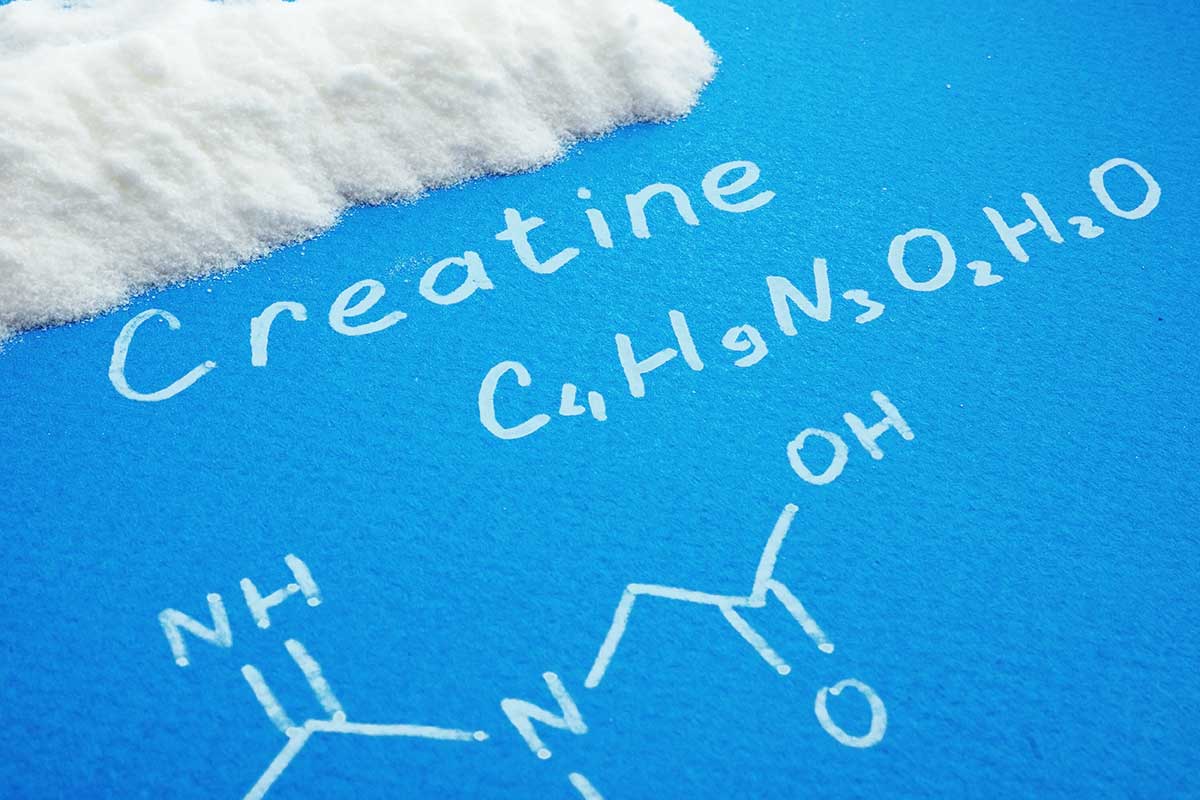
Table of Contents






Recent Posts
Popular posts
Certifications







Creatine is a naturally occurring compound that plays a crucial role in energy production in our bodies. It is primarily synthesized from amino acids, which are the building blocks of proteins. In supplement form, creatine is typically designed to enhance athletic performance by boosting the body's phosphocreatine stores, promoting rapid energy release during high-intensity activities.
Key Takeaways
- Creatine is made from amino acids—arginine, glycine, and methionine—naturally produced in the body and commonly consumed through red meat and fish.
- High-quality creatine supplements rely on strict manufacturing and testing, including purity checks, microbiological testing, and heavy metal screening to ensure safety and potency.
- Creatine offers benefits beyond muscle growth, supporting cognitive performance, faster recovery, and improved high-intensity exercise capacity, making it one of the most versatile and researched supplements available.
What Is Creatine?
Creatine is a substance found in muscle cells, particularly around the skeletal muscle tissues, where it plays a critical role in the production of adenosine triphosphate (ATP), the primary energy currency in our body. It is naturally produced in the liver, kidneys, and pancreas and predominantly stored in muscles. Athletes and fitness enthusiasts often use creatine supplements to enhance performance, increase strength, and accelerate muscle growth. With its widely documented benefits, creatine remains one of the most researched supplements globally.
Ingredients Breakdown of Creatine
Amino Acids
Amino acids are organic compounds that combine to form proteins and are essential for various bodily functions. Creatine synthesis primarily involves three amino acids: arginine, glycine, and methionine. In the body, these acids undergo a biosynthesis process primarily in the liver, kidneys, and pancreas. Glycine and arginine first combine to form guanidinoacetate, which is then methylated by methionine to produce creatine. This synthesis ensures that the body maintains a steady supply of creatine to support muscle energy metabolism and overall physical performance.
Production in the Body
The human body efficiently produces creatine to sustain energy metabolism, converting it from amino acids such as glycine, arginine, and methionine. This synthesis primarily occurs in the liver and kidneys. Around 95% of creatine is then stored in skeletal muscles. It exists both as free creatine and phosphocreatine, which is integral for regenerating adenosine triphosphate (ATP) during high-intensity activities. The body's natural production fulfills a baseline requirement, but athletes often supplement creatine to boost their muscular stores for enhanced performance and recovery.
Dietary Sources
Dietary sources of creatine are primarily found in animal-based foods, with red meat, poultry, and fish being the most significant contributors. Beef and salmon are particularly high in creatine content. These foods provide the body with additional creatine beyond what is synthesized internally. For non-meat eaters, creatine supplementation becomes a valuable option to match the intake levels typically achieved by consuming animal proteins. While vegetarians and vegans may produce creatine in their bodies, they often have lower muscle creatine stores due to the absence of direct dietary sources.
The Process of Manufacturing Creatine Supplements
Selection of Raw Materials
In the manufacturing of creatine supplements, the selection of raw materials is a pivotal step that determines the quality and efficacy of the final product. Manufacturers prioritize sourcing high-purity materials, typically opting for compounds produced synthetically in controlled environments to ensure consistency and safety. The amino acids glycine, arginine, and methionine are often synthesized or derived from reputable sources to guarantee purity. This careful selection process helps in minimizing contaminants and impurities, leading to a high-standard supplement that caters to the rigorous demands of athletes and fitness enthusiasts.
Manufacturing Process
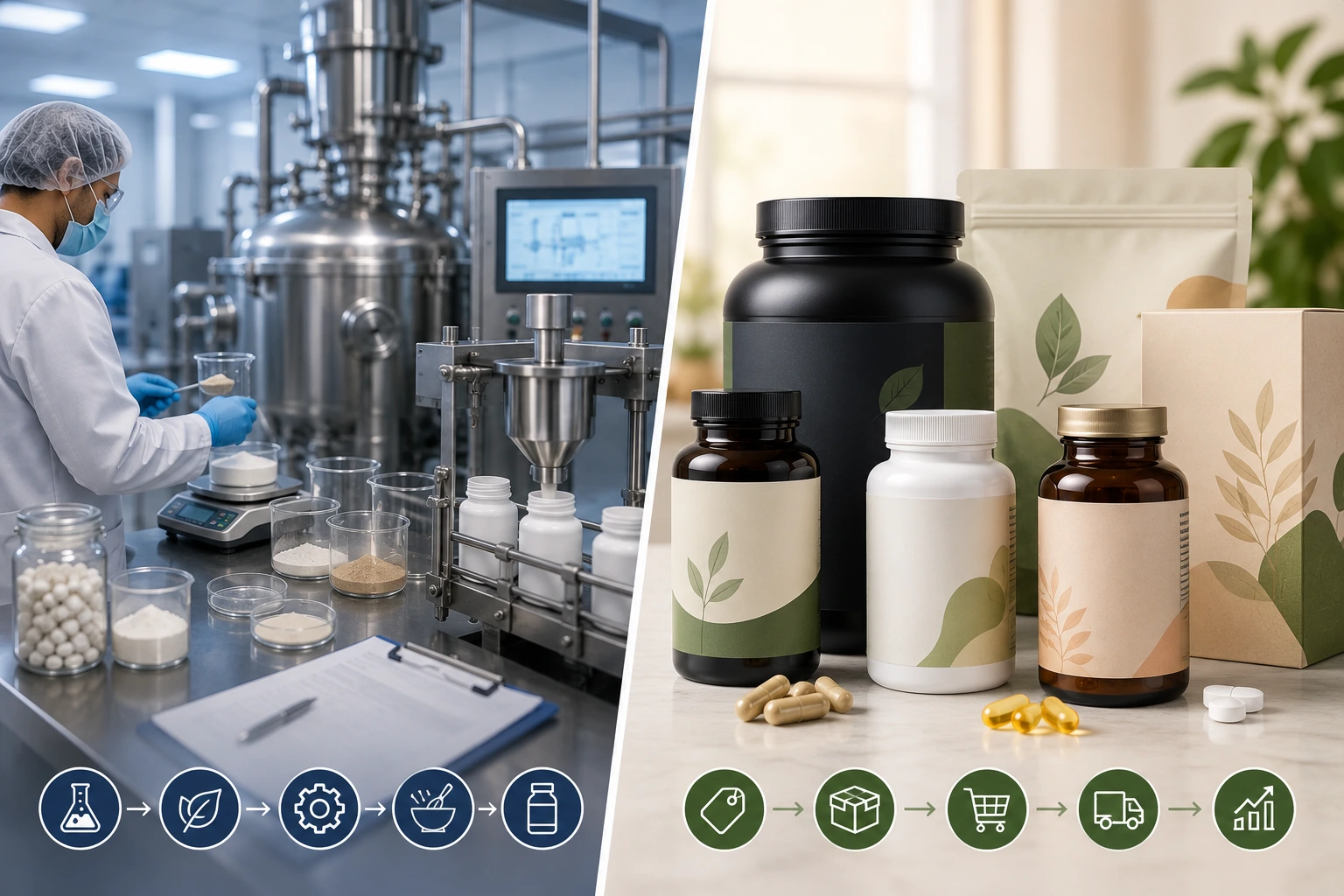
The manufacturing process of creatine supplements involves several meticulous steps designed to maintain the integrity and potency of the product. Initially, the selected raw materials undergo precise measurement and combination according to a predetermined formula. The mixture is then subjected to a series of chemical reactions, often utilizing methods like methylation, to synthesize creatine in its various forms.
Next, the mixture is purified to remove any impurities or by-products that could compromise quality. Following this, the creatine is dried and powdered, readying it for packaging. The entire process takes place under stringent quality controls in GMP-certified facilities, ensuring consistency and safety across all batches. This robust process guarantees that the creatine supplements meet industry standards and customer expectations for quality and efficacy.
Testing & Quality Control
Testing and quality control are crucial components of the creatine manufacturing process, ensuring that each batch meets high standards for safety and effectiveness. In the initial phases, raw materials undergo rigorous testing to confirm their purity and suitability. Throughout production, samples are continuously tested to monitor chemical composition and concentration.
Final products are subjected to an array of assessments covering microbiological safety and the presence of heavy metals, ensuring compliance with health regulations. Furthermore, identity and potency tests verify that the creatine content is accurate and conforms to label claims. This comprehensive quality control system ensures reliable, high-performance creatine that consumers can trust.
Microbiological Testing
Microbiological testing is an essential aspect of the quality control process for creatine supplements, designed to ensure products are free from harmful microorganisms. During this step, samples from the production batch are analyzed for pathogens like E. coli, Salmonella, and others that could cause health risks. The testing aims to detect and quantify any microbial load, ensuring it remains within safe limits. Rigorous standards are applied, often aligning with industry and regulatory guidelines, to maintain consumer safety. A clean microbiological profile confirms that the creatine supplements are safe for consumption, maintaining product integrity and consumer trust.
Heavy Metal Testing
Heavy metal testing is a vital quality assurance measure in the production of creatine supplements. This testing identifies and quantifies potentially harmful metals such as lead, arsenic, cadmium, and mercury. Even trace amounts of these metals can pose significant health risks if accumulated over time. Advanced analytical techniques like Inductively Coupled Plasma Mass Spectrometry (ICP-MS) are employed to ensure sensitivity and accuracy in detection. By strictly adhering to regulatory limits for heavy metal content, manufacturers can guarantee that their creatine products are safe, uncontaminated, and suitable for consumer use, thereby upholding the highest safety standards in the industry.
Identity and Potency
Identity and potency testing are critical components of the quality control process for creatine supplements, designed to verify that the product matches its label claims and delivers the expected benefits. Identity testing ensures that the supplement composition strictly contains creatine and not any unintended or harmful substances. This is verified through techniques like spectroscopy and chromatography.
Potency testing measures the concentration of creatine in the supplement to confirm that it aligns with declared amounts. By ensuring that each dose contains the right level of active ingredients, these tests maintain the supplement's effectiveness and reliability. Combined, these tests contribute to delivering a high-quality product that meets consumer expectations and regulatory standards.
Types of Creatine and Their Ingredients
Creatine Monohydrate
Creatine Monohydrate is the most widely researched and commonly used form of creatine, recognized for its effectiveness and simplicity. Composed of one molecule of creatine bonded with a water molecule, it is easy to produce and cost-efficient, making it a preferred choice for many users. Its widespread use stems from strong scientific support demonstrating its ability to enhance strength, muscle mass, and exercise performance.
This form of creatine is best suited for athletes and fitness enthusiasts looking for a reliable and effective supplement to support their training goals.
Creatine Ethyl Ester
Creatine Ethyl Ester (CEE) is a modified form of creatine that has undergone esterification, which is intended to improve its absorption and bioavailability compared to standard creatine monohydrate. This variant has gained attention for its potential to enhance creatine effectiveness with a smaller dosage.
Creatine Ethyl Ester is best for those who seek a potentially more absorbable form of creatine and are willing to experiment with different creatine types to enhance performance, especially if they experience discomfort with monohydrate.
Creatine Hydrochloride (HCl)
Creatine Hydrochloride (HCl) is a form of creatine bonded with hydrochloric acid, which purportedly increases its solubility. This enhanced dissolution in water is designed to optimize absorption, making it a popular choice among athletes looking for efficiency and reduced dosage requirements.
Creatine HCl is best suited for individuals who prefer a highly soluble creatine option with reduced water retention and are prepared to invest in a potentially more expensive supplement for perceived absorption benefits.
Buffered Creatine (Kre-Alkalyn)
Buffered Creatine, commonly known by its trade name Kre-Alkalyn, is a pH-adjusted form of creatine. The buffering is intended to enhance stability in the stomach, thereby improving absorption rates and reducing breakdown into creatinine, a by-product associated with lower efficacy.
Buffered Creatine is best for users seeking creatine options with lesser side effects, especially regarding stomach sensitivity, and who are willing to pay a premium for potentially enhanced absorption.
Benefits of Creatine Beyond Muscle Growth
Cognitive Benefits
Creatine is traditionally associated with physical performance, but research suggests it also offers notable cognitive benefits. Creatine supports brain function by enhancing the production of ATP, essential for energy-demanding cognitive tasks. This extra energy can lead to improvements in memory, focus, and overall mental clarity, making it a valuable supplement for both athletes and those engaged in prolonged mental work. Studies have shown that individuals with increased creatine intake often demonstrate better performance in tasks requiring mental endurance and quick thinking. As such, creatine's cognitive benefits make it a versatile supplement, aiding in both physical and mental performance enhancements.
Muscle Recovery
Creatine plays a vital role in muscle recovery, making it a valuable supplement for athletes and fitness enthusiasts. By replenishing the phosphocreatine stores within muscles, creatine aids in faster ATP regeneration, which is critical after intense exercise. This leads to reduced muscle cell damage and inflammation post-workout, accelerating the recovery process.
Additionally, creatine enhances protein synthesis within muscle fibers, promoting quicker repair and growth of muscle tissues. It also helps mitigate the effects of delayed onset muscle soreness (DOMS), enabling more frequent and intense training sessions. For individuals seeking to expedite recovery times and improve overall training performance, creatine stands out as an effective and supportive supplement.
Improved Exercise Capacity
Creatine is renowned for its ability to significantly improve exercise capacity, making it a staple in many athletes' supplement regimens. By increasing the availability of phosphocreatine in muscles, creatine facilitates rapid ATP production. This boost in energy supply allows for enhanced performance during short bursts of high-intensity activities, such as sprinting, weightlifting, and jumping.
Moreover, creatine helps delay muscle fatigue, enabling longer and more effective workout sessions. This increased capacity for intense exercise can lead to greater training adaptations, including improved strength, power, and muscle mass over time. For athletes and fitness enthusiasts looking to push their limits, creatine is an invaluable ally in achieving performance goals.
Create Your Perfect Creatine Supplement with F.A.M.E. Health Labs
At F.A.M.E. Health Labs, customization is key to creating your perfect creatine supplement. We understand that every athlete and fitness enthusiast has unique needs, so we offer a personalized approach to supplement formulation. Start by choosing from various types of creatine, such as Monohydrate, Hydrochloride, or Buffered Creatine, depending on your preferences for absorption and effectiveness.
You also have the option to customize flavors or keep it unflavored for mixability with other supplements. Our formulations ensure optimal purity and potency, supported by rigorous quality control and testing processes to guarantee safety and consistency. Additionally, F.A.M.E. Health Labs as a Powder Manufacturer uses responsibly sourced raw ingredients, ensuring that your supplement meets high ethical and health standards.
Working with our team, you can design a creatine product tailored to your specific goals, whether it's muscle growth, improved endurance, or cognitive enhancement. Trust F.A.M.E. Health Labs to provide a premium, tailored creatine solution that complements your fitness journey.
Final Thoughts
Creatine remains one of the most effective and versatile supplements available, with applications ranging from boosting exercise performance to enhancing cognitive function. Its foundational role in energy production, muscle recovery, and exercise capacity underscores why it's an enduring choice for athletes and fitness enthusiasts. Understanding what creatine is made of, its various forms, and how they impact your body can guide informed decisions tailored to your specific needs.
Opting for high-quality sources and formulations, such as those available from F.A.M.E. Health Labs, ensures you're maximizing creatine's benefits safely and effectively. With a multitude of scientific research backing its efficacy, creatine continues to be a trustworthy ally in achieving fitness and health goals. Whether you're looking to amplify your physical achievements or support mental acuity, creatine offers a range of benefits that can significantly enhance your performance and overall well-being. Embrace the power of creatine and make the most of your training and health journey.
FAQs
What is creatine powder made out of?
Creatine powder primarily consists of creatine monohydrate, synthesized from the amino acids arginine, glycine, and methionine. It is often processed into a fine powder for better solubility and absorption.
What is the source of creatine?
Creatine is naturally synthesized in the human body from amino acids found in the liver, kidneys, and pancreas. Additionally, dietary sources include red meat, poultry, and fish, which provide direct intake of creatine.
Is Creatine Safe for Everyone?
Creatine is generally safe for most healthy individuals when used as directed. However, people with pre-existing kidney issues or certain medical conditions should consult a healthcare professional before use.
Is Creatine Effective for Endurance Athletes?
Creatine primarily benefits activities requiring short bursts of energy, like sprinting or weightlifting. However, it may improve overall training adaptations and recovery, indirectly supporting endurance athletes.
How Much Creatine Should I Take Daily?
After an initial loading phase of 20 grams per day for 5-7 days, a maintenance dose of 3-5 grams daily is recommended for sustained creatine levels and effectiveness.
What Do You Need?

Contract Manufacturing
Full-service supplement manufacturing from stock to custom white label, private label, co-manufacturing, and bulk.






Ingredient Sourcing
Global raw material sourcing, proprietary blend development, MOSA Organic, Halal and Kosher flavor systems.


Testing & CRO
ISO/IEC 17025 accredited testing ingredient and finished product. COAs accepted globally by FDA, Health Canada, and EU.



Enterprise Partnership
Full-platform commercial partnership for high-volume brands. Dedicated team, VP-level account management, real-time portal.
Most Viewed Posts