// Blog post
Berberine Supplements: Benefits, Claims and Manufacturing
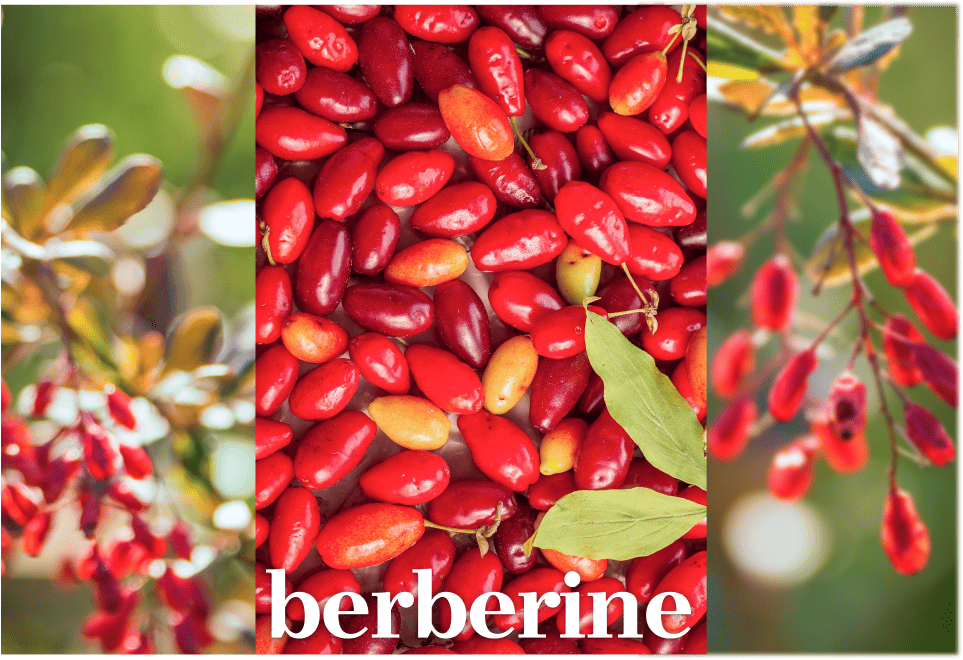
Table of Contents





Recent Posts
Popular posts
Certifications





Berberine is one of the most requested botanical actives in the metabolic-support category. It is a yellow alkaloid found in plants such as European barberry, goldenseal, goldthread and tree turmeric, with a long history of use in traditional Chinese and Ayurvedic practice. For brands, that mix of consumer demand and a well-documented ingredient makes berberine a strong candidate for a first or next product. This guide covers what berberine is, what the research looks at, how to label it compliantly, and what to ask a supplement manufacturer before you launch.
Key Takeaways
- Berberine is a metabolic-support ingredient: research on berberine focuses on glucose metabolism, lipid metabolism and gut function, which is why it sits in the metabolic-health aisle.
- Label claims must stay structure/function: a berberine product can say it “supports healthy glucose metabolism” or “supports cholesterol levels already within a normal range”. It cannot claim to lower cholesterol, treat diabetes or prevent heart disease.
- Quality starts with the raw material: identity testing, a standardized extract and a manufacturer that tests every batch protect both the consumer and your brand.
What is Berberine?
Berberine is a natural compound found in several plants, including European barberry, goldenseal, goldthread and tree turmeric. Known for its deep yellow color, it has been used in traditional Chinese medicine for over a thousand years. In supplements it is most often sold as berberine HCl, and it is frequently paired with Ceylon cinnamon, chromium or black pepper extract. Much of the research interest centers on AMP-activated protein kinase (AMPK), an enzyme involved in how cells use energy.
What the Research Looks At
Berberine has been studied across several areas of metabolic and digestive function. When you describe these on a label or product page, the wording has to describe support for normal function in healthy people, not the treatment of a condition.
Glucose Metabolism
Research on berberine looks at how it influences insulin sensitivity and how the liver handles glucose. On a label, this becomes structure/function language such as “supports healthy glucose metabolism” or “helps maintain blood sugar levels already within a normal range”.
Lipid Metabolism
Studies also examine berberine’s role in lipid metabolism through AMPK. The compliant framing is “supports cholesterol levels already within a normal range” as part of a balanced diet. Claims to lower cholesterol or triglycerides describe treating a disease and are not permitted for a dietary supplement.
Energy and Fat Metabolism
Because AMPK is central to energy use, berberine is often positioned in formulas for metabolism and weight management. Keep this to “supports a healthy metabolism” alongside diet and exercise, and avoid promises about how much or how fast weight is lost.
Cardiovascular Wellness
Berberine appears in heart-health formulas, but claims here need extra care. “Supports cardiovascular wellness” is structure/function; statements about treating blood pressure or reducing the risk of heart disease are not.
Digestive Health
Berberine has been studied for its interaction with the gut microbiome. Compliant claims are “supports digestive health” or “supports a balanced gut microbiome”.
Dosage and Timing
Products on the market commonly provide 900 to 1,500 mg of berberine a day, split into two or three servings with meals to aid tolerance. The right serving for your formula depends on the extract, the format and your target consumer, and should be set with your formulator. Your label should advise consumers to consult a healthcare professional before use, particularly if they are pregnant, nursing or taking medication, since berberine can interact with some medications.
Who Buys Berberine Supplements?
Berberine buyers are typically adults focused on metabolic health, healthy aging and weight management who read ingredient panels closely. They respond to transparent dosing, standardized extracts and third-party quality marks. Pregnant or breastfeeding consumers and people on certain medications should not take berberine without medical advice, which is why the warning statement on your label matters.
Why Manufacture Your Berberine Supplement with F.A.M.E. Health Labs?
F.A.M.E. Health Labs manufactures capsules and tablets on our own campus in Cedartown, Georgia, with identity and microbial testing on every batch by CURI, our ISO 17025 sister lab on the same campus, and a COA with each batch. Our stock formula catalog includes ready berberine formulas, from single-ingredient berberine HCl to blends with Ceylon cinnamon, that you can launch under your own label from 500 units, or use as the starting point for a custom formula from 2,500 units. See our capsule and tablet manufacturing, or browse stock formulations.
Final Thoughts
Berberine combines strong consumer interest with a well-researched ingredient profile, which makes it a sound choice for a metabolic-support line. The brands that do well with it pair a quality, standardized extract with honest, compliant claims. Every structure/function claim on the label also needs the FDA disclaimer: “These statements have not been evaluated by the Food and Drug Administration. This product is not intended to diagnose, treat, cure, or prevent any disease.”
FAQs
What should I look for when selecting a berberine supplement manufacturer?
Look for cGMP manufacturing, identity testing of the raw berberine, a standardized extract with a documented percentage, finished-product testing with a COA for every batch, and a team that can review your label claims for DSHEA compliance.
Why is berberine a popular supplement ingredient?
Consumers look for berberine for metabolic support, including healthy glucose and lipid metabolism, and its long history in traditional medicine adds to its appeal.
What certifications help a berberine supplement stand out?
cGMP manufacturing is the baseline. Third-party marks such as NSF certification and, where the ingredients qualify, organic certification can add trust for health-conscious buyers.
What claims can a berberine supplement make?
Structure/function claims only, such as “supports healthy glucose metabolism” or “supports cholesterol levels already within a normal range”, each carrying the FDA disclaimer. Claims to lower cholesterol, treat diabetes or prevent heart disease are drug claims and are not allowed.
// Our Services
What Do You Need?
Select the service that matches your need. Each card expands to show what's included, minimum orders, and certifications then routes you directly to the right section of the form below.

F.A.M.E. Health Labs
Contract Manufacturing
Full-service supplement manufacturing from stock to custom white label, private label, co-manufacturing, and bulk.
See Services






F.A.M.E. Ingredients
Ingredient Sourcing
Global raw material sourcing, proprietary blend development, MOSA Organic, Halal and Kosher flavor systems.
See Services

Curí Inc.
Testing & CRO
ISO/IEC 17025 accredited testing ingredient and finished product. COAs accepted globally by FDA, Health Canada, and EU.
See Services



F.A.M.E. Complete
Enterprise Partnership
Full-platform commercial partnership for high-volume brands. Dedicated team, VP-level account management, real-time portal.
See Services