Benefits of Creatine for New-Age Wellness & Performance Supplements
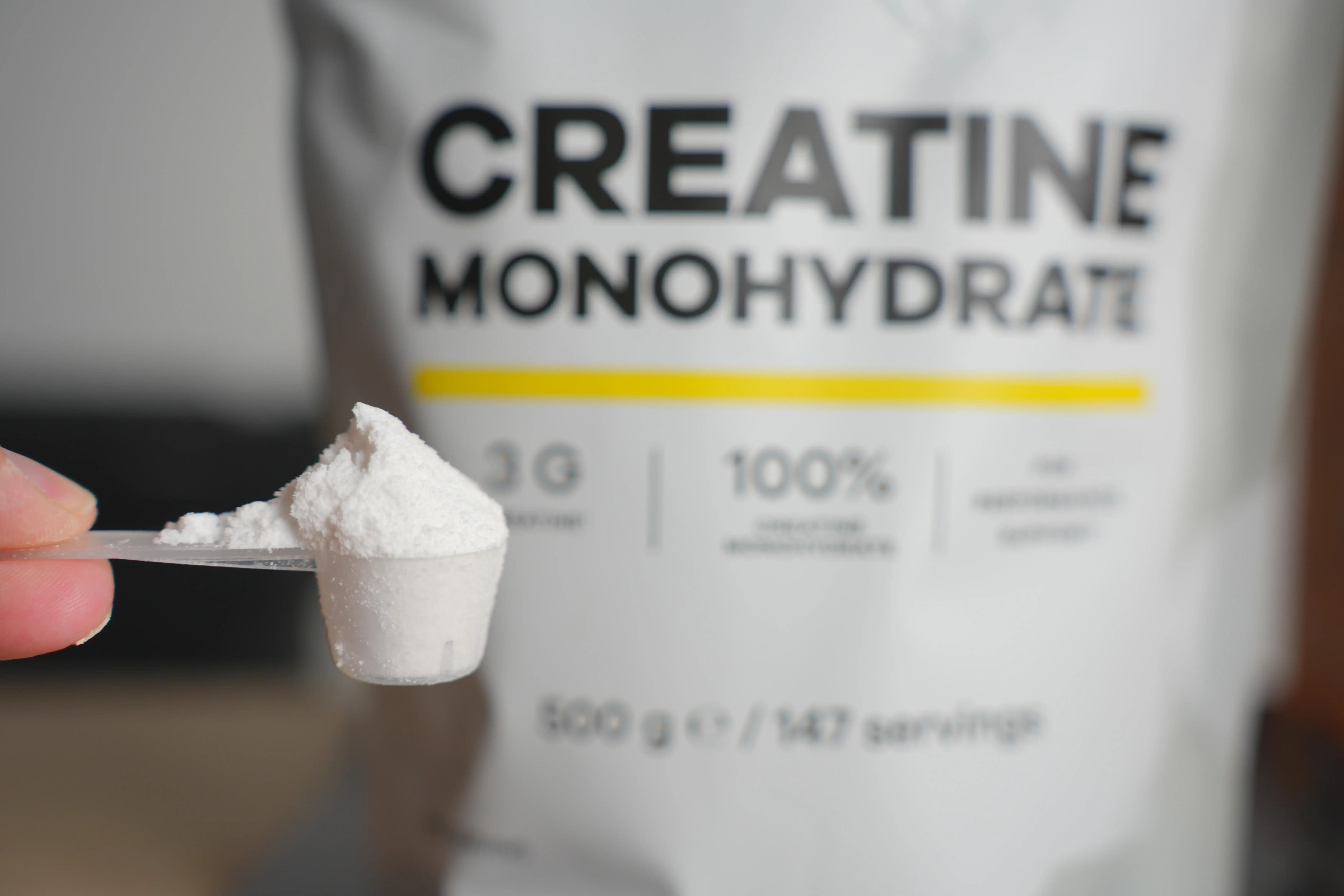
Table of Contents






Recent Posts
Popular posts
Certifications







The answer to the question “What are the benefits of creatine?” goes well past bigger muscles. What started as a sports supplement has become a wellness staple. It supports brain function, recovery, cellular energy, and may help with healthy aging.
What is Creatine? A Quick Look
Creatine is a natural compound that the body makes in the liver and kidneys. Three amino acids are used: arginine, glycine, and methionine. Most of it is stored in skeletal muscle. Here, it creates energy during short, high-intensity activity. Smaller amounts are present in the brain and other tissues. The body usually produces about 1 gram of creatine each day. Food sources such as red meat and fish also provide creatine. Still, taking a supplement can increase the amount stored in the body and help reach higher tissue levels.
Why Creatine Is Gaining Popularity in New-Age Wellness
Scientists now realise that creatine may help with memory, mental fatigue, and even brain protection. UCLA Health has published data showing how creatine supports brain energy and mental performance. Several factors explain this renewed attention:
- Consumers know more now. They also want supplements with clear benefits. Creatine delivers with one of the strongest research profiles around.
- Aging populations worry about muscle loss, bone density, and cognitive sharpness. Creatine tackles several concerns at once.
- Creatine shows up in products for mental clarity, daily energy, and longevity now. This opens new markets.
- Creatine costs less and mixes easily in formulations. It stays stable on the shelf and integrates well with other ingredients, offering brands a low-risk option.
Key Benefits of Creatine for Modern Consumers
The benefits of creatine are clearly supported by clinical research. These proven effects attract closer attention today.
1. Improves Performance & Strength
Creatine helps your body regenerate ATP, the main energy source for cells. When you do quick bursts of intense activity, ATP gets used up fast. Creatine phosphate steps in, donates a phosphate group to recharge ADP back into ATP, and lets you keep going longer. Research shows that creatine supplements for muscle growth enhance resistance training strength gains.
2. Supports Muscle Recovery & Maintenance
Creatine helps recovery by cutting down muscle cell damage and inflammation after exercise. It supports muscle protein synthesis and helps replenish glycogen, both key for bouncing back between workouts. Past recovery, creatine helps stop muscle loss during inactive periods or calorie restriction.
3. Enhances Energy Production at the Cellular Level
The body’s key organs, including the brain and heart, require reliable energy to function smoothly. Taking creatine can raise the amount stored in these tissues and help cells function better during stress. This can be helpful during demanding mental tasks, long working hours, or times when sleep is limited.
4. Cognitive & Brain Health Benefits
Studies suggest that creatine supplement benefits include better working memory, less mental fatigue, and sharper cognitive performance under stress. UCLA Health research notes creatine may support brain health by boosting energy stores in neurons (20-40% increase), with emerging evidence for cognitive benefits like reduced mental fatigue in older adults and during stress.
5. Supports Overall Wellness & Longevity Goals
Preliminary Research suggests potential positive effects on glucose metabolism and insulin sensitivity, relevant for metabolic health formulations. Emerging evidence suggests creatine may support bone health through improved muscle strength and reduced bone resorption markers, particularly when combined with resistance training. Creatine has antioxidant properties and plays a role in mitochondrial function, both connected to anti-aging research.
Creatine Benefits for Different Consumer Segments
Knowing what is creatine for in different groups helps brands come up with their messaging and product formulas.
- Athletes and active individuals remain the core audience. Creatine's performance and recovery benefits are well-established, making it a staple in pre-workout and post-workout products.
- Aging adult market is growing lately. Concerns about muscle loss, cognitive decline, and metabolic changes drive demand. Creatine addresses muscle maintenance, brain health, and energy metabolism.
- Vegetarians and vegans get little to no creatine from their diets. Supplementation helps them reach tissue levels. Transparency is most valued.
Types of Creatine Used in Supplements
Several forms of creatine are available for dietary supplements. Each has distinct characteristics in solubility, absorption, and formulation compatibility.
1. Creatine Monohydrate
Creatine monohydrate is made of creatine bound to a water molecule. It contains about 88% creatine by weight. This form has the most clinical validation. It is cost-effective, stable, and works well in different delivery formats. Working with a reliable supplement manufacturer helps maintain consistent quality and compliance with cGMP standards.
2. Buffered / Micronized Creatine
Buffered creatine is formulated with alkaline compounds to raise pH. Theoretically, it improves stomach stability. However, research comparing it to monohydrate shows just little practical differences. Micronized creatine is monohydrate processed into smaller particles. This improves mixability and reduces grittiness.
3. Creatine in Capsules vs Powders
Delivery format influences consumer preference and formulation flexibility. Powders allow for higher per-serving doses, faster absorption when mixed with liquids, and lower cost per gram. They work well for pre-workout formulations or bulk wellness products. Capsules offer convenience, precise dosing, and portability. They eliminate taste and texture concerns. Always look for an experienced capsule manufacturer. They help with proper encapsulation, dosing accuracy, and stability over shelf life.
Is Creatine Safe for Long-Term Use?
Long-term clinical studies in healthy adults show that the recommended daily intake does not harm kidney function, liver enzymes, or cardiovascular health. Routine laboratory markers in consistent users generally remain within normal clinical ranges.
Earlier concerns about kidney stress have not been supported by controlled human research. Still, individuals with pre-existing kidney conditions should consult a qualified healthcare professional before use.
Creatine increases water content inside muscle cells, supporting strength and performance. Adequate daily hydration remains important, and clear usage guidance on product labels helps promote responsible intake.
In the United States, creatine supplements must comply with FDA dietary supplement regulations and current Good Manufacturing Practice standards. Many brands also pursue NSF certification for sport creatine. It confirms purity, label accuracy, and the absence of banned substances.
How Supplement Brands Are Using Creatine Today?
Modern wellness brands are no longer treating creatine as a standalone "muscle" SKU. Instead, we’re seeing its integration into sophisticated, goal-oriented formulations. Strategic product managers are currently leveraging it in four distinct ways:
- The Hybrid Daily: Blending creatine with adaptogens and micronutrients for a "foundational wellness" play.
- RTD Functional Beverages: Overcoming previous stability hurdles to offer energy-on-the-go targeting recovery.
- Nootropic Stack Integration: Positioned alongside brain-boosters to address neurological energy metabolism.
- Anti-Sarcopenia Lines: Specifically targeting the 50+ demographic to combat age-related muscle attrition.
Best Form of Creatine for Wellness Supplements
For most B2B applications, creatine monohydrate is the undisputed gold standard due to its extensive research moat and cost-efficiency. However, if the goal is a premium, high-solubility powder, micronized creatine monohydrate is the logical upgrade—it significantly mitigates the "sandy" texture. But there's also no compromise with the inherent stability or raw material's vegan-friendly profile. In the context of multi-ingredient capsules, its compatibility with other actives makes it a remarkably low-risk inclusion for any wellness lineup.
Bringing Evidence and Manufacturing Excellence Together
Merging clinical benefits of creatine with a market-ready SKU is a high-stakes balancing act. It boils down to the strategic intersection of consumer demand and technical precision. For brands scaling in the wellness space, the manufacturer is a pivot point for the entire product lifecycle. This is where F.A.M.E. Health Labs steps in. We provide the heavy-lifting on formulation, compliance, and the granular oversight of quality control. With a facility built on cGMP, NSF, and FDA registration, we build the infrastructure that allows brands to lead with confidence.
FAQs
What are the main benefits of creatine?
Creatine plays a role in energy regeneration inside cells, which supports muscle performance and recovery. It has also been associated with sharper memory and improved mental endurance. Long-term use may support metabolic health, bone density, and healthy aging.
Can creatine be used for daily wellness supplements?
Yes. Creatine contributes to energy production at the cellular level and supports both brain performance and muscle upkeep. For this reason, it is often used in supplements.
Which type of creatine is best for private label supplements?
Creatine monohydrate is the most researched and cost-effective option. It offers proven effectiveness, broad appeal, and formulation flexibility. For premium positioning, micronized creatine improves texture.
How do the benefits of creatine help supplement brands grow sales?
Creatine’s wide relevance across different consumer groups allows brands to build several product lines around a single ingredient. Its strong safety profile and long history of research support clear, evidence-based messaging. At the same time, consumer familiarity helps lower education efforts, while new wellness uses continue to open additional market opportunities.
Can creatine be positioned beyond sports nutrition supplements?
Yes. Current research shows that creatine may support brain health, healthy aging, metabolic balance, and overall vitality. Because of this, brands can present creatine as helpful for mental clarity, steady energy, and long-term wellness.
What Do You Need?

Contract Manufacturing
Full-service supplement manufacturing from stock to custom white label, private label, co-manufacturing, and bulk.






Ingredient Sourcing
Global raw material sourcing, proprietary blend development, MOSA Organic, Halal and Kosher flavor systems.


Testing & CRO
ISO/IEC 17025 accredited testing ingredient and finished product. COAs accepted globally by FDA, Health Canada, and EU.



Enterprise Partnership
Full-platform commercial partnership for high-volume brands. Dedicated team, VP-level account management, real-time portal.


Most Viewed Posts