A Guide to Scaling Your Brand with Private Label Health Supplements

Table of Contents





Recent Posts
Popular posts
Certifications




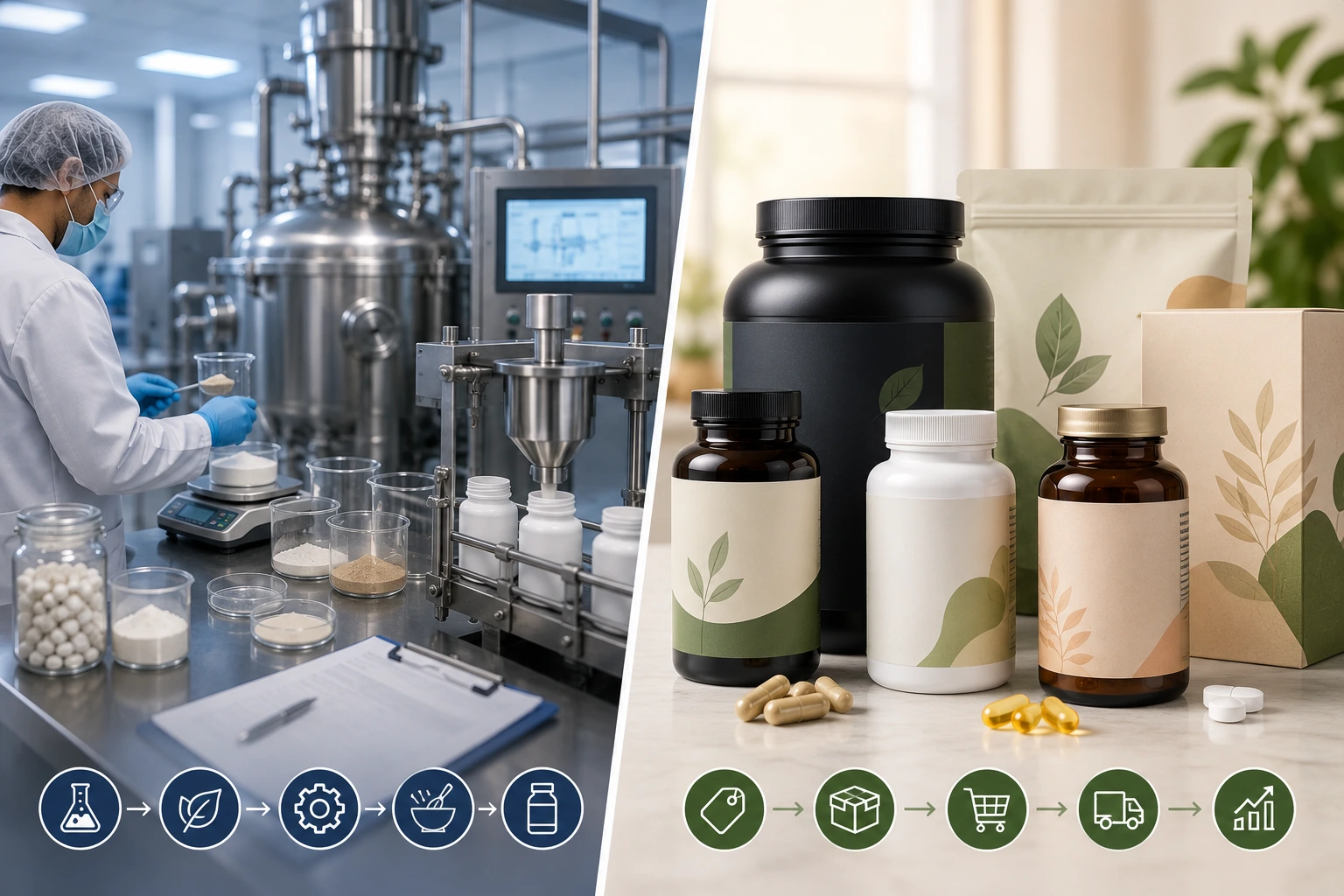
The growth in the supplement industry surely needs strong branding. But it also requires reliable production, regulatory alignment, and consistent product quality. For many brands, private label dietary supplements provide a practical path to expand product lines without building manufacturing infrastructure from the ground up.
Private label strategies allow companies to focus on branding, distribution, and customer acquisition while production remains in the hands of experienced manufacturers. When supported by disciplined systems and documented quality controls, it supports steady and scalable growth.
What Are Private Label Health Supplements?
Private label health supplements are pre-formulated products that are manufactured by a third party and sold under a brand’s name.
The manufacturer develops and produces the formula. At the same time, the brand controls packaging, marketing, and distribution.
Unlike full Custom Supplement Formulation projects, private labels use established formulas. They are already developed and tested.
The structure allows brands to reduce development timelines and limit formulation risk. Some manufacturers also offer white label health supplements. They basically involve minimal customization and faster market entry.
Current Market Trends in Private Label Health Supplements
Private label health supplements are gaining momentum as more brands look for efficient ways to expand their product lines. The broader US dietary supplement market remains strong, supported by growing consumer focus on preventive health and daily wellness. Within this environment, private label models offer a practical route to enter or scale in the category without building in-house production systems.
The following trends shape the private label health supplement landscape:
- Stronger acceptance of private label quality
Private label supplements are no longer viewed only as low-cost alternatives. Improved sourcing standards and documented quality control processes have narrowed the gap between private label and national brands. Today, product quality is more on ingredient integrity and manufacturing standards than on brand size.
- Greater demand for transparency and traceability
Now, consumers expect clear information on ingredient origin and production practices. Brands work with manufacturers that provide Certificates of Analysis and batch-level documentation. Transparent sourcing further helps build trust. Thus, protecting long-term brand reputation.
- Faster response to market demand
Health trends evolve quickly. This is why brands must move with speed. Private labels thus allow companies to introduce products without lengthy development timelines. It helps brands test new categories and expand product portfolios efficiently.
- Focus on compliant claims and regulatory readiness
The supplement industry is still influenced by regulatory issues. Companies look for partners who work under the GMP Manufacturing guidelines and assist with compliant labeling. This helps to avoid product hold-ups, warning letters, or even recalls.
All these factors make private label health supplements a feasible and scalable business. It is applicable to brands that focus on quality, integrity, and business discipline.
Key Benefits of Selling Private Label Health Supplements
Private label strategies can support growth when managed correctly. Brands that align production with quality systems can reduce risk and increase operational efficiency.
Here are some of the advantages that explain why many companies adopt this model:
1. Boost Brand Authority and Customer Loyalty
A private label approach allows a brand to offer products under its own name. This strengthens brand identity and builds direct recognition with customers.
When product quality remains consistent, customer trust increases. Over time, this can improve repeat purchase rates and long-term loyalty.
2. Higher Profit Margins Compared to Reselling
Reselling third-party products limits margin control. Private label models allow brands to manage pricing and positioning directly.
With controlled sourcing and production agreements, brands can improve margin structure while maintaining quality standards.
3. Faster Product Launch and Testing
Private label models remove the need to develop formulas from scratch. This reduces time to market.
Brands can test demand with smaller runs before expanding distribution. Faster cycles allow better response to market trends.
4. Customization & Differentiation
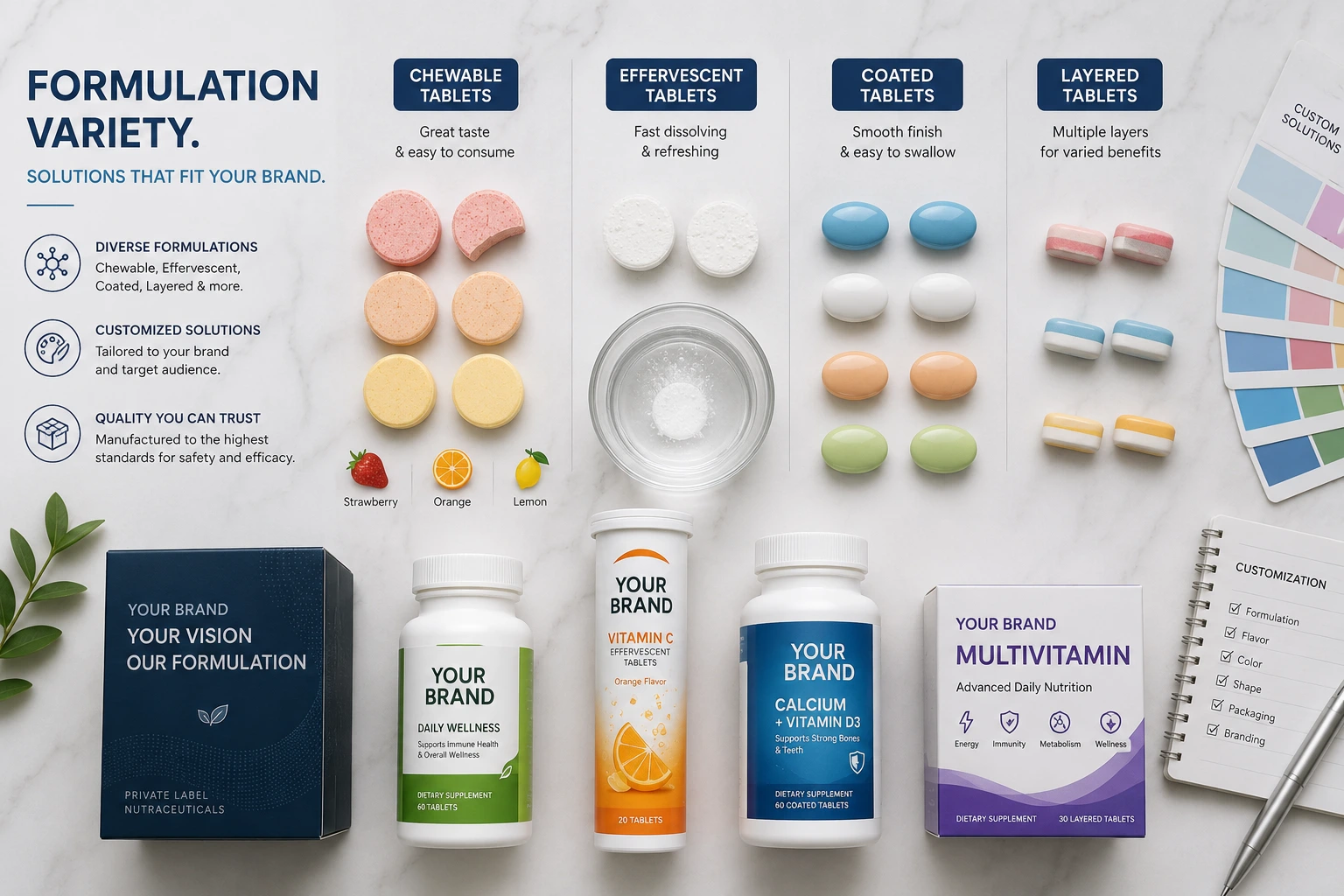
Many private label manufacturers offer limited customization options. This can include label design adjustments, ingredient tweaks, or packaging changes.
These adjustments aid brands in differentiating products. It also helps maintain established base formulations.
5. Reduced Operational Burden
Manufacturing, warehousing, and quality assurance require systems and infrastructure. Private label business models make it possible for brands to outsource these tasks to experienced production partners.
This business model makes it possible to concentrate on marketing, sales, and distribution while manufacturing occurs under controlled manufacturing standards.
Popular Categories in Private Label Health Supplements
Private label supplements span multiple health categories. Product selection should reflect documented consumer demand and stable ingredient sourcing.
Listed below are some of the common categories:
- Immune support supplements
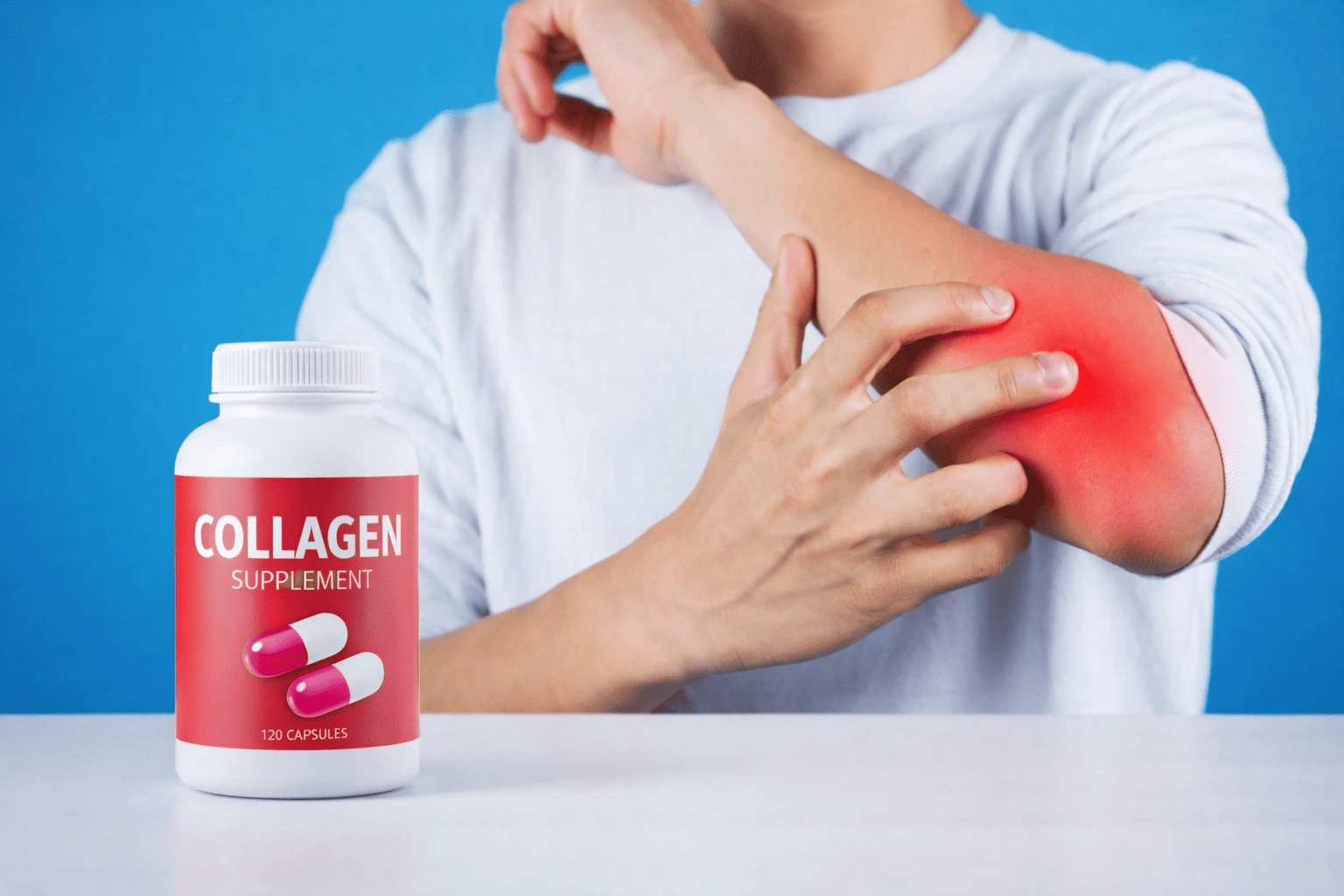
- Collagen and beauty supplements
- Gut health and probiotic formulas
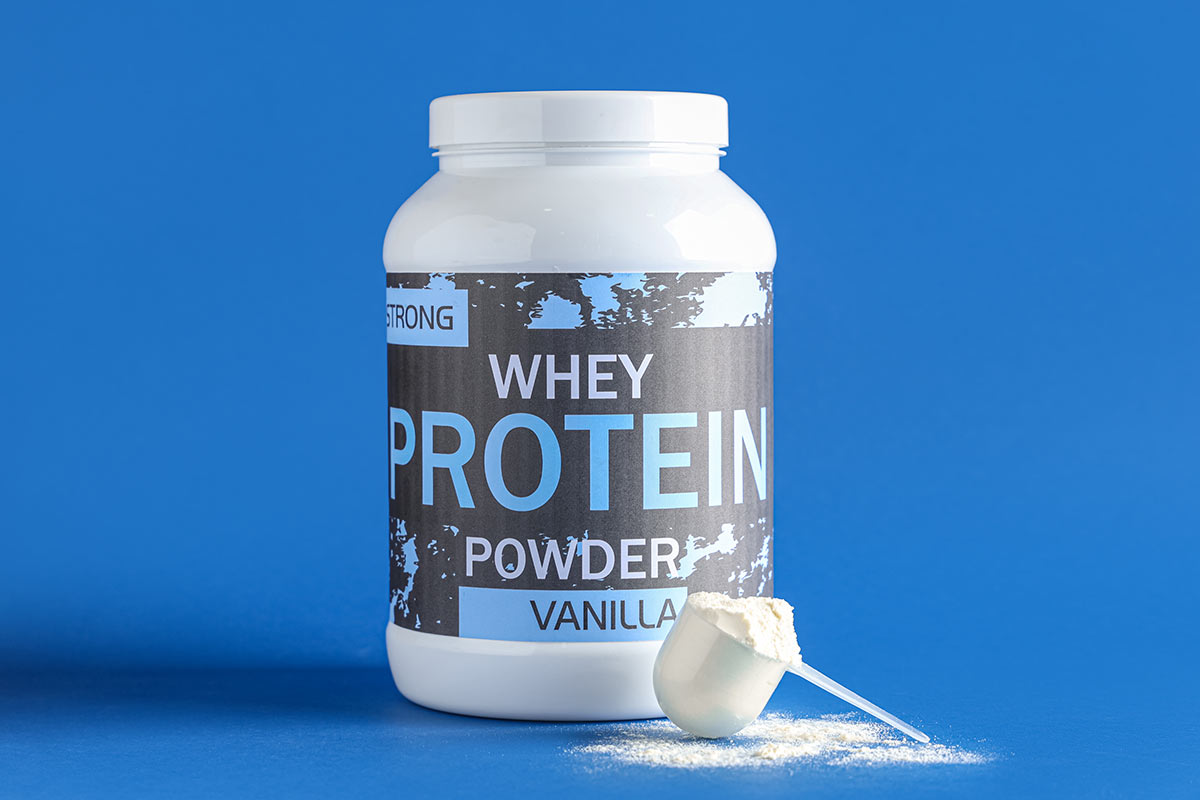
- Sports nutrition products
- Multivitamins and mineral blends
- Weight management supplements
- Herbal and botanical extracts
They require consistent sourcing, documented ingredient testing, and validated production standards.
How to Choose the Right Private Label Health Supplement Manufacturer
Selecting the right partner determines product stability, regulatory compliance, and long-term scalability. Not all dietary supplement private label manufacturers in the USA operate under the same standards. Careful evaluation is essential.
Here is the criteria that help brands assess a potential manufacturing partner.
1. Quality Assurance & Regulatory Compliance
Facilities should have documented GMP Manufacturing processes. In the US, facilities are required to meet FDA 21 CFR Part 111 regulations.
Brands should inquire about:
- Raw material identity testing
- In-process quality testing
- Final product testing
- Certificates of Analysis (COAs)
- Batch tracking systems
Clear documentation reduces compliance risk. This basically protects brand reputation.
2. Flexibility in Formulation and Customization
Some brands begin with standard formulas but later seek adjustments. A capable private label dietary supplement manufacturer should offer flexibility to modify formulas or transition toward more tailored solutions.
This supports gradual product differentiation. It does not disrupt supply stability.
3. Minimum Order Quantities & Scalability
Order flexibility plays a major role in early growth stages. Smaller minimum order quantities reduce upfront inventory risk.
As demand increases, the manufacturer should be able to increase production. This should happen without affecting batch consistency.
4. Packaging & Labeling Design Support
In-house packaging and labeling services streamline operations. It reduces the need to coordinate multiple vendors.
Label compliance review is also critical. Errors in dosage statements, warnings, or claims can trigger regulatory scrutiny.
How Private Label Health Supplements Enable Long-Term Brand Growth
Private label health supplements support long-term brand growth. This is possible when production stays structured and controlled.
Growth without clear processes creates operational strain. It can increase overall risk. Sustainable expansion depends on consistency. Every stage of production, from raw material qualification to final batch release documentation, must remain stable and well-managed.
To support long-term scalability, brands should prioritize:
Process standardization across batches
Having clear production procedures ensures consistency as the volume of orders grows. Standardized procedures minimize room for error and ensure predictability. This is crucial in ensuring that the brand does not suffer as a result of inconsistency.
Scalable infrastructure and capacity planning
A manufacturer should be able to scale up production without affecting timelines. Capacity planning ensures that delays and shortages are avoided. Scalability is essential for retail expansion and building the confidence of distributors.
Documented systems and audit readiness
Organized documentation supports regulatory reviews and third-party audits. Clear records reduce compliance uncertainty. Strong documentation also supports retailer and partner requirements.
Operational alignment between brand and manufacturer
Clear communication and defined responsibilities improve efficiency. Aligned planning supports smoother product launches and inventory management. Long-term partnerships create operational continuity.
Inventory management and demand forecasting
Accurate demand forecasting helps prevent overproduction or stock shortages. Balanced inventory control reduces storage costs and protects cash flow. Structured planning supports stable long-term growth.
Continuous quality monitoring and performance review
Ongoing performance review helps identify process gaps early. Regular quality checks support consistency across expanded production runs. Continuous monitoring strengthens operational reliability.
When structure and capacity remain aligned, brands can expand product lines and distribution channels with confidence. Stable production systems allow growth without compromising consistency or operational reliability.
Conclusion
Private label health supplements provide a way to scale without building your own manufacturing setup. Brands can focus on marketing and distribution. Production continues under controlled systems managed by the manufacturer.
F.A.M.E. Health Labs is an FDA-registered, GMP-compliant supplement manufacturer. All production processes are managed within our own facilities for greater control and consistent quality. We offer structured private label dietary supplement programs. It helps brands launch efficiently. Our team supports scalable manufacturing, proper quality documentation, and smooth operations at every stage.
As your brand grows, we also provide support to transition toward Custom Supplement Formulation when needed. Our production systems follow strict quality standards. We work with verified ingredient suppliers and maintain controlled GMP Manufacturing conditions. It supports consistent product quality as production volumes expand.
FAQs
What are private label health supplements?
Private label health supplements are products manufactured by a third party. They are sold under a brand’s name. The formula is pre-developed. The brand manages packaging and marketing.
How do private label health supplements help scale a brand?
They reduce development timelines and remove the need for in-house manufacturing. This allows brands to focus on marketing and distribution.
Are private label health supplements customizable?
Yes. Many manufacturers allow some customization. It involves label design changes, packaging options, or minor formula adjustments.
How fast can brands launch private label supplements?
Launch timelines vary by manufacturer and order size. Private label models generally move faster than fully custom product development.
Can brands later move from private label to custom formulations?
Yes. Many brands begin with private label models. They later transition to Custom Supplement Formulation as their product strategy evolves.
What Do You Need?

Contract Manufacturing
Full-service supplement manufacturing from stock to custom white label, private label, co-manufacturing, and bulk.






Ingredient Sourcing
Global raw material sourcing, proprietary blend development, MOSA Organic, Halal and Kosher flavor systems.

Testing & CRO
ISO/IEC 17025 accredited testing ingredient and finished product. COAs accepted globally by FDA, Health Canada, and EU.


Enterprise Partnership
Full-platform commercial partnership for high-volume brands. Dedicated team, VP-level account management, real-time portal.

Most Viewed Posts