// Blog post
Longevity Supplements for Healthy Aging: Emerging B2B Opportunities

Table of Contents





Recent Posts
Popular posts
Certifications






Interest in healthy aging has moved far beyond basic wellness. Today’s consumers are not only looking for general nutrition support. They are searching for products that align with the biological processes connected to aging itself. This shift has created rapid growth within the longevity supplements space. For supplement brands working with manufacturers who understand both formulation challenges and regulatory requirements, this category offers serious growth potential.
What Are Longevity Supplements?
Traditional supplements often address broad nutritional gaps. Longevity supplements instead focus on cellular pathways linked to energy production, oxidative balance and tissue repair.
The category has evolved from basic antioxidant blends to complex formulations informed by longevity research. These products feature compounds studied for their effects on autophagy, energy metabolism, and cellular repair mechanisms.
Core Pillars of Longevity Supplement Formulation
Healthy aging supplements are usually built around four main focus areas. Understanding them helps brands create products that feel relevant.
1. Cellular Health & Mitochondrial Support
Think of mitochondria as the power plants inside your cells. Their efficiency tends to drop with age, which can affect energy levels. Currently, the front-runners in this category are NAD+ precursors like nicotinamide riboside (NR) and nicotinamide mononucleotide (NMN).
In September 2025 the FDA concluded that NMN is not excluded from the definition of a dietary supplement (Natural Products Association). Brands can now use it, but should source NMN from suppliers with complete new dietary ingredient (NDI) documentation.
These compounds support cellular energy and may also play a role in DNA repair. Coenzyme Q10, however, continues to be a key ingredient because of its well-studied benefits for antioxidant protection and mitochondrial function.
2. Antioxidant Support & Oxidative Stress
Oxidative stress plays a role in aging, especially when free radicals build up faster than the body can neutralize them. Most longevity formulations include antioxidant ingredients. Curcumin and various polyphenols bring studied antioxidant activity, while resveratrol continues to be formulated for its role in sirtuin activation and metabolic signaling. Omega-3 fatty acids (EPA and DHA) support a healthy inflammatory response and help maintain cell membrane health.
3. Metabolic & Heart Health
Metabolism changes with age, and metabolic health is closely linked to how the body ages. Berberine is studied for its role in metabolic health. Chromium and alpha-lipoic acid support metabolic function. L-carnitine influences fat metabolism and cellular energy production.
4. Cognitive Longevity & Brain Health
Memory is a common concern for aging consumers. Focus, processing speed, and mental clarity are now top priorities for individuals planning for long-term health. Longevity formulas often use ingredients studied for brain health, including phosphatidylserine, bacopa monnieri, and lion's mane mushroom. B vitamins (specifically B12 and folate) support normal neurological function and homocysteine metabolism.
Key Benefits of Longevity Supplements
Strong longevity supplement brands clearly explain the real benefits their products offer to health-conscious consumers.
Supports Healthy Aging & Vitality
These formulations help maintain the body's normal functions with age. This includes nutritional support for protein synthesis, autophagy, and tissue repair. The products support resilience and adaptive capacity. Important distinction: they don't make disease treatment claims or promise to stop aging.
Promotes Energy & Physical Performance
Many healthy aging supplements now center on cellular energy production, using mitochondrial support ingredients studied for sustained energy. Adaptogenic herbs such as rhodiola and ashwagandha are drawing attention for stamina, physical performance and exercise recovery.
Enhances Cognitive Function & Mental Sharpness
Consumers interested in longevity prioritize mental performance. They want to maintain memory, focus, and processing speed. Formulations include compounds studied for memory and focus. Ingredients that support neurotransmitter function and healthy blood flow to the brain may help maintain mental clarity.
Helps Maintain Metabolic & Immune Balance
Metabolism and immune function both change with age. Longevity supplements aim to support these connected systems by supporting healthy metabolism and normal immune function.
Popular Ingredient Categories Used in Longevity Supplements
Several ingredient classes dominate this space:
- NAD+ Precursors: Nicotinamide riboside and NMN top the list for cellular energy metabolism.
- Polyphenols & Antioxidants: Resveratrol, quercetin, and curcumin provide antioxidant activity and may influence aging-related gene expression.
- Adaptogens: Ashwagandha and rhodiola support a healthy stress response.
- Omega-3 Fatty Acids: EPA and DHA support heart health, brain function and a healthy inflammatory response.
- Cellular Support Compounds: Spermidine and urolithin A target cellular recycling. While spermidine supports systemic autophagy, urolithin A is specifically studied for its ability to trigger mitophagy, the selective recycling of damaged mitochondria.
- Senolytic Compounds: Fisetin and quercetin are studied for effects on cellular senescence.
- Collagen Peptides: Support skin elasticity, joint health, and connective tissue as natural production drops.
Brands working with manufacturers operating under cGMP standards get access to quality-tested, verified ingredients. A good tablet or powder manufacturer will have these relationships established.
Why Longevity Is a Strategic Growth Opportunity for B2B Brands
The longevity supplements market offers real advantages for brands.
- Demographic Trends Support Growth: The global population is aging. Adults over 60 represent a growing market with purchasing power.
- Cross-Category Appeal: Supplements for healthy aging attract athletes, professionals, and beauty consumers.
- Scientific Validation Builds Trust: Research on aging mechanisms continues expanding, letting formulations reference published studies.
- Established Compliance Frameworks: Brands need to be careful about how they describe product benefits, yet FDA and FTC guidelines do offer a workable path for those who focus on proper research and cGMP-aligned production.
Product Formats Driving Growth in Longevity Supplements
Format selection matters for both consumer preference and formulation requirements.
1. Capsule
Capsules offer precise dosing, protect ingredients from degradation, and consumers know how to use them. You can choose vegetarian or gelatin capsules to suit different diets. An experienced capsule manufacturer can offer a range of capsule sizes and shell types.
2. Powder
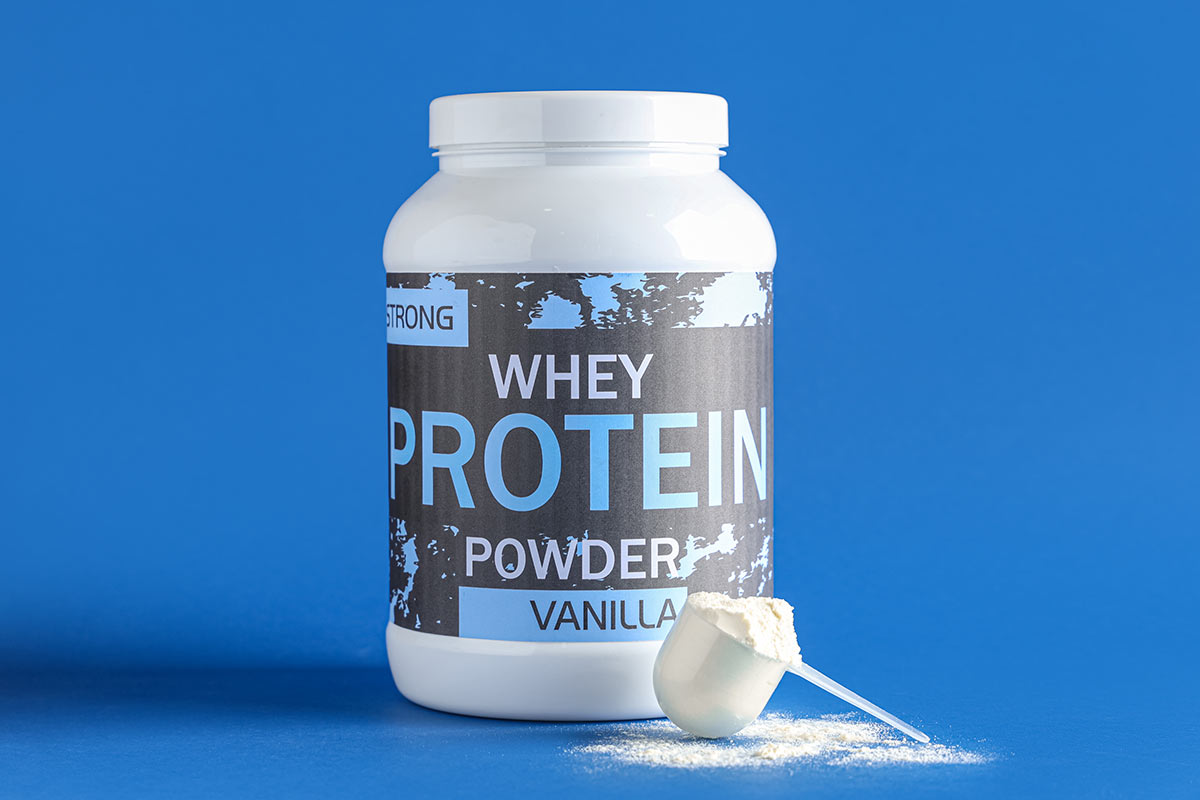
Powders are great for high-dose ingredients like collagen or greens blends because they mix easily into daily drinks. They also offer the flexibility of single-serve packets, which are perfect for on-the-go consumers.
3. Tablet
Tablets offer durability and precise dosing. They're ideal for formulations requiring time-release properties. A skilled tablet manufacturer can produce various shapes, sizes, and coating options. Enteric coatings protect sensitive ingredients from stomach acid. Tablets handle ingredients that don't encapsulate well or when larger doses are required.
Why Longevity Supplements Are Gaining Rapid Market Momentum
Several factors are accelerating category growth:
- Consumer Education: Information about aging mechanisms, autophagy, NAD+ decline, and cellular senescence reaches mainstream audiences.
- Biohacking Movement: Biohacking has grown into a sizable consumer market, and much of it runs on supplements.
- Preventive Health Mindset: More consumers invest in wellness before symptoms appear.
- Personalization Technology: Genetic testing and wearables let consumers personalize supplement choices based on data.
- Retail Expansion: E-commerce and direct-to-consumer models make longevity supplements more accessible.
- Research Publication: Scientific studies on aging pathways keep validating ingredient choices.
Challenges Brands Must Address in Longevity Supplements
Brands need to plan for several challenges:
- Regulatory Compliance: FDA regulations prohibit disease claims. You must communicate benefits without implying treatment. Partnering with compliant manufacturers helps avoid violations.
- Quality Control: Longevity supplements often include newer ingredients that need specialized testing. Identity, potency and microbial testing all matter.
- Ingredient Sourcing: Quality varies among suppliers. Manufacturers with established relationships access tested materials.
- Education Requirements: Consumers need information to understand how products work. You'll need educational content.
- Scientific Substantiation: Marketing claims should align with research. You need access to scientific literature.
- Market Differentiation: As the category grows, you'll need unique positioning through ingredient selection.
A Reliable Path Forward in Longevity Supplements
The longevity supplements market has potential for brands that rely on solid science, quality manufacturing, and clear benefits for consumers. Still, long-term success depends on research-based formulations, strict production standards, and careful regulatory compliance.
At F.A.M.E. Health Labs, these standards guide how we work every day. Our FDA-registered facility, cGMP production and testing by CURI, our ISO 17025 sister lab on the same campus, let us support brands from formulation through large-scale manufacturing. Reach out to our team to discuss solutions tailored to your longevity products.
FAQs
What are longevity supplements?
Longevity supplements aim to support healthy aging inside the body, especially within cells. They usually contain ingredients studied for cell health, metabolism, brain function, and other changes that come with age.
How are longevity supplements different from anti-aging supplements?
The two terms are related, but longevity supplements are mainly meant to support overall health and how the body functions over time. Anti-aging products usually focus more on appearance and surface changes. Longevity formulas, in contrast, are designed to support deeper cellular pathways and biological aging mechanisms.
Why is the longevity supplements category growing?
Growth stems from demographic aging, increased health awareness, emerging research on aging mechanisms, and the biohacking movement. Consumers seek preventive solutions supporting vitality across their lifespan.
Why should supplement brands invest in longevity supplements?
This space offers clear advantages for brands, including supportive demographic trends, premium pricing opportunities, subscription potential, and broad consumer interest. Growth remains steady, with plenty of scope for differentiation.
Are longevity supplements a long-term market opportunity?
Yes. Aging populations, ongoing research, and preventive health trends support long-term category growth. The global longevity supplement market continues expanding as consumers prioritize healthy aging and quality of life.
// Our Services
What Do You Need?
Select the service that matches your need. Each card expands to show what's included, minimum orders, and certifications then routes you directly to the right section of the form below.

F.A.M.E. Health Labs
Contract Manufacturing
Full-service supplement manufacturing from stock to custom white label, private label, co-manufacturing, and bulk.
See Services






F.A.M.E. Ingredients
Ingredient Sourcing
Global raw material sourcing, proprietary blend development, MOSA Organic, Halal and Kosher flavor systems.
See Services


Curí Inc.
Testing & CRO
ISO/IEC 17025 accredited testing ingredient and finished product. COAs accepted globally by FDA, Health Canada, and EU.
See Services

F.A.M.E. Complete
Enterprise Partnership
Full-platform commercial partnership for high-volume brands. Dedicated team, VP-level account management, real-time portal.
See Services