// Blog post
Water Soluble Vitamin Supplements: Functions, Importance, and Features
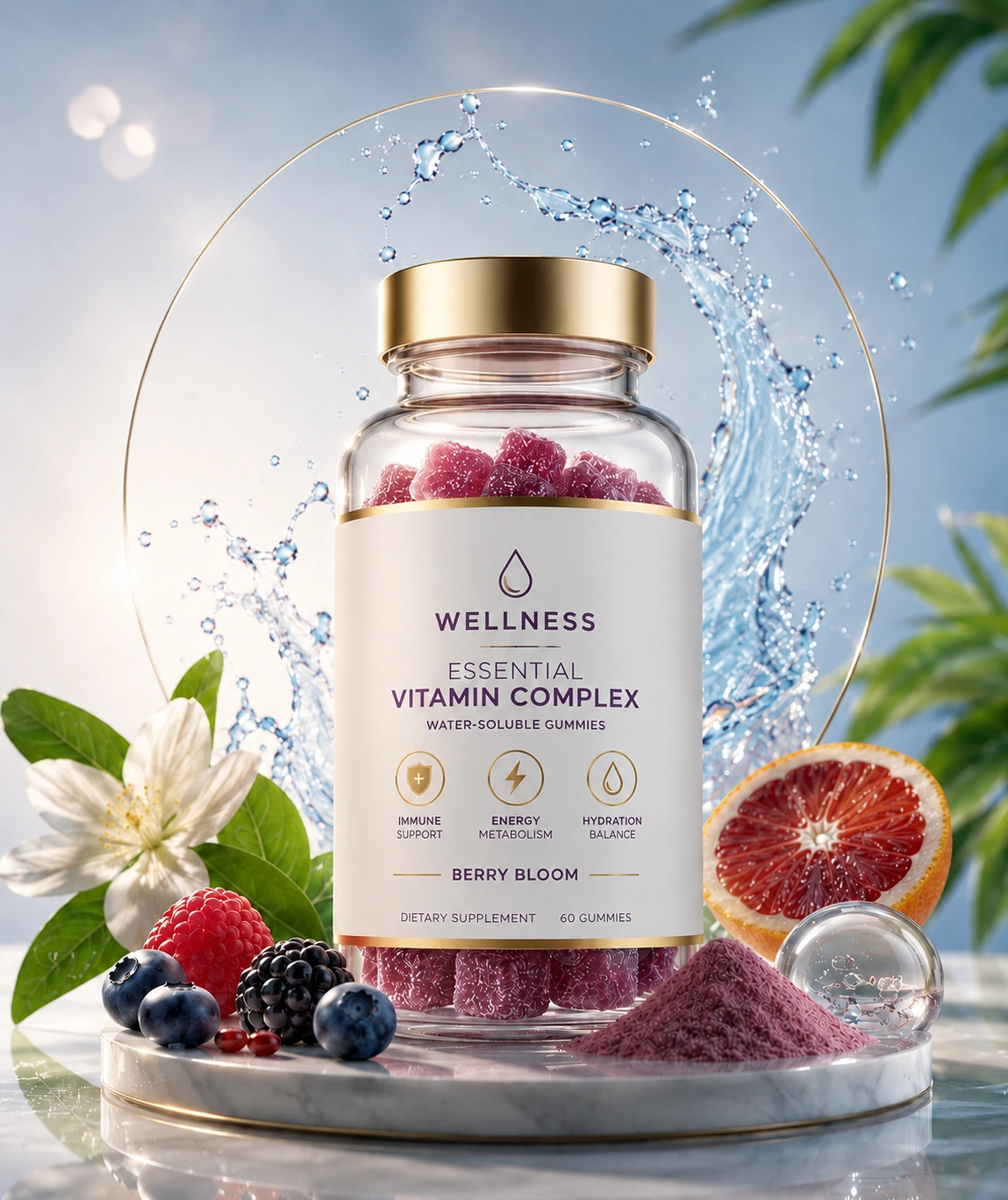
Table of Contents






Recent Posts
Popular posts
Certifications







Water soluble vitamin supplements play an important role in supporting daily nutrition. These vitamins dissolve in water and move easily through the bloodstream. Because the body does not store most of them in large amounts, regular intake becomes necessary to maintain healthy levels.
Vitamin C and the B-complex group form the core of water-soluble vitamins. They support energy production, normal immune function, red blood cell formation, and nerve function. Supplements can help maintain steady intake, especially when the diet is not sufficient or when nutrients are lost during cooking and processing.
What Are Water-Soluble Vitamins?
Water-soluble vitamins are nutrients that dissolve in water. They are mainly absorbed in the small intestine. From there, they move directly into the bloodstream. They travel to different tissues to support metabolic functions.
They are not stored in large amounts in the body. Any extra amount is removed through urine. Their main features include fast absorption, limited storage, and sensitivity to heat, light, and air.
Key Water Soluble Vitamins and Their Roles
The list of water-soluble vitamins includes Vitamin C and the eight B vitamins. Each one has its own role in the body. Together, they help support normal metabolism and overall balance.
1. Vitamin C
Vitamin C supports normal immune function. It acts as a powerful antioxidant. This protects cells from oxidative damage. It supports collagen synthesis for skin, connective tissue, and blood vessels. In addition, it improves the absorption of non-haem iron sourced through plant-based ingredients or supplements, and supports normal tissue repair.
2. Vitamin B-Complex
The B-complex group includes B1, B2, B3, B5, B6, B7, B9, and B12. They act as coenzymes in energy metabolism. All support red blood cell production, neurotransmitter synthesis, DNA formation, and proper nerve function.
Functions of Water Soluble Vitamin Supplements
Water soluble vitamin supplements support many important functions. Some of which are:
1. Energy Production and Metabolism
B-complex vitamins help convert carbohydrates, proteins, and fats into usable energy. They support ATP production within cells. Without adequate intake, fatigue and metabolic imbalance may occur.
2. Immune Support
Vitamin C and certain B vitamins support normal immune function, including immune cell activity and antibody production.
3. Red Blood Cell Formation
Folic acid or 5-MTHF (the forms of B9 most used in supplements) and Vitamin B12 are essential for red blood cell production. They support DNA synthesis and cell division. Low intake can affect red blood cell production and energy levels.
4. Nervous System Support
Vitamins B1, B5, B6, B9, and B12 help the body make brain chemicals called neurotransmitters. They support clear thinking and a stable mood. Having the right levels helps the nerves send signals properly.
5. Antioxidant Defense
Vitamin C neutralizes free radicals and reduces oxidative stress. It protects cellular integrity. This function supports long-term tissue health.
Why Are Water Soluble Vitamin Supplements Important?
Because these vitamins are not stored extensively in the body, except for Vitamin B12, daily intake becomes essential. Modern diets, food processing, and cooking can reduce natural vitamin levels. Water-soluble vitamins are also lost more easily during heat exposure. Supplementation helps maintain adequate levels, especially during increased physiological demand such as stress, pregnancy, or restricted diets.
Bioavailability and Absorption Factors
Water-soluble vitamins are absorbed in the small intestine, though Vitamin B12 uniquely requires binding to an Intrinsic Factor produced in the stomach. How well the body uses them depends on the dosage form, gut health, and overall nutrient balance.
Unlike fat-soluble vitamins, they do not need dietary fat to be absorbed. Taking more than needed usually does not add extra benefit. This is because excess amounts are removed through urine. Proper formulation and careful processing help maintain their strength and effectiveness.
Common Supplement Formats
1. Capsules
A capsule shell holds a measured dose and shields sensitive vitamins from air and light. The shell breaks down quickly after swallowing. A reliable capsule manufacturer keeps fill weights uniform and controls encapsulation so potency holds through shelf life.
2. Tablets
Tablets are compact and cost-effective, which keeps them popular. Brands use them to deliver a consistent dose over a long shelf life. A qualified tablets manufacturer controls compression and limits heat during production to protect heat-sensitive B vitamins.
3. Powders
Powders give flexible dosing, and consumers can mix them into a daily drink. They suit formulas that need higher amounts of active ingredients. A specialized powders manufacturer controls particle size and keeps moisture out so the vitamins don't break down early.
4. Liquid
Liquids are a convenient option for people who avoid pills. Formulators use flavor systems to mask the sharp taste of B-complex vitamins. A trusted liquids manufacturer runs microbial checks and stability testing to confirm the formula and packaging work together.
5. Gummies
Gummies are popular because they taste good. A good flavor helps younger or taste-sensitive consumers take them every day. An experienced gummies manufacturer spreads the vitamins evenly through each batch and keeps sugar content in check.
Factors to Consider for Water Soluble Vitamin Supplements
To select the right supplement, evaluation is essential. This goes beyond marketing claims or front-label statements. Product quality, ingredient sourcing, and formulation standards directly influence safety, stability, and overall effectiveness.
1. Dosage Accuracy
Verify that the labeled strength aligns with established intake recommendations. Check whether the product provides meaningful but balanced dosages. Extremely high doses may not deliver added benefit because excess water-soluble vitamins are excreted through urine. Accurate dosing supports safety and consistency.
2. Ingredient Quality
Confirm that raw materials meet defined purity standards. Reputable manufacturers conduct contaminant screening for heavy metals, microbes, and adulterants. High-quality inputs improve product reliability and reduce variability. Transparent sourcing practices further strengthen trust in the finished supplement.
3. Formulation Stability
Water-soluble vitamins are sensitive to heat, light, oxygen, and moisture. If not handled properly, their potency decreases over time. Stable formulations and protective packaging keep nutrients at label strength. Proper storage conditions also help extend shelf life and keep the labeled strength accurate.
4. Absorption Efficiency
Evaluate the dosage form and release characteristics. Capsules, tablets, powders, or liquids may differ in dissolution speed. Bioavailability depends on formulation design and digestive compatibility. Well-designed products support predictable absorption.
5. Certification and Testing
Look for supplements manufactured under cGMP standards. Confirm whether third-party testing verifies potency and purity. Independent testing adds an extra layer of quality assurance. Transparent documentation indicates structured manufacturing discipline.
Common Myths & Misconceptions
Water-soluble vitamins are frequently misunderstood. Misinterpretation can lead to improper dosing or unrealistic expectations. Clarifying common misconceptions supports informed and responsible supplementation decisions.
1. More is always better
Higher doses do not automatically provide greater benefit. Because these vitamins dissolve in water, excess amounts are eliminated through urine. Extremely high intake may increase cost without a proportional advantage.
2. They do not require consistent intake
Water-soluble vitamins are not stored extensively in the body. Regular intake is necessary to maintain stable circulating levels. Inconsistent consumption may affect metabolic and cellular processes.
3. Cooking does not affect vitamin levels
Heat, light, and water exposure can degrade water-soluble vitamins during food preparation. Boiling and prolonged cooking often reduce vitamin content. Preparation methods directly influence nutrient retention.
4. All supplement forms are absorbed equally
Absorption can vary depending on dosage form and formulation design. Capsules, tablets, powders, and liquids may differ in dissolution characteristics. Bioavailability depends on product quality and digestive compatibility.
5. Natural sources make supplements unnecessary
Diet remains important, but intake may vary due to food processing or preparation losses. Restricted diets and lifestyle factors can affect nutrient levels. Supplements help maintain consistent intake when dietary gaps exist.
6. Water-soluble vitamins cannot cause side effects
Although excess amounts are excreted, extremely high doses may still cause side effects. Gastrointestinal upset can occur, flushing may happen if using nicotinic acid rather than the non-flushing niacinamide form of Vitamin B3, and high doses of Biotin (B7) can interfere with clinical blood tests.
7. Stability does not matter because they dissolve in water
Water solubility does not guarantee stability. These vitamins are sensitive to moisture, oxygen, heat, and light. Proper formulation and packaging remain essential to preserve potency.
The Bottom Line
Water soluble vitamin supplements are important for the body. They help with energy metabolism, immune support, red blood cell formation, and brain function. Since the body does not store them in large amounts, regular intake is needed to keep levels steady. They are also sensitive to heat, light, and moisture, so good formulation and proper manufacturing matter. Well-made supplements help maintain potency, stability, and effectiveness throughout their shelf life.
At F.A.M.E. Health Labs, we manufacture water soluble vitamin supplements for brands under cGMP. We check raw materials, control each manufacturing step, and CURI, our ISO 17025 sister lab, tests the finished product. This keeps the dosage right, the nutrients at label strength, and the quality consistent.
Frequently Asked Questions (FAQs)
Q.1. What are water soluble vitamin supplements?
Water soluble vitamin supplements contain vitamins that dissolve in water and are absorbed directly into the bloodstream. They typically include Vitamin C and the B-complex group. These supplements help maintain daily nutritional balance.
Q.2. Which vitamins are considered water soluble?
Vitamin C and the B-complex vitamins are water-soluble. The B group includes B1, B2, B3, B5, B6, B7, B9, and B12. They help with energy metabolism. They also support the immune system and assist in forming red blood cells.
Q.3. Why are water soluble vitamin supplements important?
These vitamins are not stored in large amounts in the body. Any extra is removed through urine. Because of this, regular intake helps support steady metabolic and immune function.
Q.4. Are water soluble vitamin supplements safe?
When used within recommended dosages, they are generally considered safe. Because excess amounts are excreted, the toxicity risk is lower than that of fat-soluble vitamins. However, excessive intake should still be avoided.
Q.5. What is the difference between fat-soluble and water-soluble vitamins?
Water-soluble vitamins dissolve in water. They are not stored in large amounts. Fat-soluble vitamins dissolve in fats. These accumulate in tissues. They differ significantly in terms of absorption and storage mechanisms.
Q.6. Do water soluble vitamin supplements need special packaging?
Yes. This is because they are sensitive to heat, light, and moisture. Proper packaging preserves stability and potency. Controlled storage conditions protect product integrity.
// Our Services
What Do You Need?
Select the service that matches your need. Each card expands to show what's included, minimum orders, and certifications then routes you directly to the right section of the form below.

F.A.M.E. Health Labs
Contract Manufacturing
Full-service supplement manufacturing from stock to custom white label, private label, co-manufacturing, and bulk.
See Services






F.A.M.E. Ingredients
Ingredient Sourcing
Global raw material sourcing, proprietary blend development, MOSA Organic, Halal and Kosher flavor systems.
See Services


Curí Inc.
Testing & CRO
ISO/IEC 17025 accredited testing ingredient and finished product. COAs accepted globally by FDA, Health Canada, and EU.
See Services



F.A.M.E. Complete
Enterprise Partnership
Full-platform commercial partnership for high-volume brands. Dedicated team, VP-level account management, real-time portal.
See Services